Kapua Naturals Azelaic Acid Serum Review: Fast Results, but Stinging
My Kapua Naturals Azelaic Acid Serum 10% review after nearly four months of real use: 4.2/5. I bought one 100 ml bottle on June 21, 2026, for €21.90, with no discount, gifted product or compensation. I wanted something I could apply to individual pimples, little red marks and uneven-looking areas on my body. I now use it a few times a week—mainly on my arms, and sometimes on my chest, back or thighs. About half of the bottle remains.
My most positive observation is how quickly some spots appear less visible to me, sometimes within a few hours. But it has a very real downside: when I tried applying thick layers to get better results, I experienced painful stinging and some skin peeling. That is not a sign of better performance or a reason to keep applying more. I like the serum enough that I would probably buy it again, but I would use it conservatively rather than repeat the overapplication that irritated my skin.
Affiliate disclosure: This review includes a supplied Amazon shopping link that may earn JonTests a commission at no additional cost to you. I bought the product myself at the price stated here, with no discount, sponsorship, free product or other compensation. The 4.2/5 rating below is my own weighted hands-on judgment, not an Amazon star average or a medical efficacy claim. See Affiliate Disclosure.
My use: Since June 21, 2026 · a few times/week · mostly arms and other body areas · ~half left
I paid: €21.90 for 100 ml, no discount
Supplied shopping link · verify Kapua Naturals Bio Azelain Serum 100 ml, 10% formulation and seller
Kapua Naturals Bio Azelain Serum 10% — 4.2/5
Quick verdict: I like the apparent improvement in small blemishes and reddish areas enough to consider buying another bottle. It is easy to spread and feels comfortable when used sparingly. However, thick applications have caused painful burning/stinging and peeling for me.
Best for: Someone exploring a topical cosmetic serum for small blemish-prone areas who can follow the label carefully, patch-test cautiously and stop if irritation occurs.
Skip if: You plan to spread large amounts over unexplained widespread body redness, already have broken or irritated skin, or expect immediate medically proven clearing of pimples and rashes.
Repurchase verdict: Probably yes, despite the €21.90 price—but I would not use more product in the hope of speeding up results.
What worked well for me
- Some pimples or reddish-looking spots appear less prominent to me even within hours
- Convenient for small areas on arms, chest, back and thighs
- Easy to spread; settles relatively quickly
- Comfortable, not particularly greasy after normal applications
- Scent is fine and not a notable issue for me
- Precise, easy-to-control dropper; no leaking or messy bottle
- One 100 ml bottle has lasted months, with about half still remaining
What I disliked
- Painful stinging when I applied too much
- Skin peeling after heavier or wider-area use
- Requires restraint; more product did not mean a better experience
- €21.90 felt somewhat expensive for one bottle
- No controlled test proving immediate blemish treatment or benefit for every kind of body redness
Bottom line — 4.2/5: The visible improvements I think I see, comfortable everyday texture and well-made dropper make it a product I would likely purchase again. But my adverse reactions with overly generous application are a meaningful drawback. I would apply a thin amount according to the instructions, stop if painful stinging or peeling develops, and not treat unexplained rashes as ordinary acne.
My purchase: one 100 ml bottle for €21.90
I purchased my Kapua Naturals Organic Azelaic Acid Serum on June 21, 2026, for €21.90. There was no discount, free product, affiliate compensation or brand relationship attached to that purchase. As of October 2026, I estimate that roughly half of the 100 ml bottle is left. I have not measured the remaining volume, and I cannot calculate an exact cost per treatment or date when the bottle will run out.
This is a comparatively large 100 ml serum bottle for my spot-treatment routine. Given that I use it only a few times per week, I expect the size to be convenient, although the exact amount used each time varies with the area. €21.90 still feels a little expensive to me, but I think the product is worth it given the benefit I perceive. That is my historical price and value judgment, not a live Amazon price quotation.
Why I bought it: pimples and small red spots on my body
I was not looking for another daily facial serum. I had several small pimples and red-looking marks in different parts of my body, and I wanted something that might help those particular areas look more normal. I therefore bought Kapua Naturals azelaic acid serum mainly as a spot product for body skin.
My most frequent application area is the upper arms. I occasionally treat a mark on my chest, back or thighs. If I notice several spots spread across one upper arm, I sometimes spread the serum across more of that upper arm instead of dotting each individual mark. Very occasionally I use it on a facial blemish, but my results in this review are primarily from body use, not a regular full-face acne routine.
I do not normally apply other skincare products to the body areas where I use it. When I occasionally put the serum on my face, I already have a separate facial skincare routine; I have not done a deliberate combination test to establish whether this exact serum is compatible with every other active product, such as retinol, when layered over the same spot.
My results: spots and redness sometimes look better within hours
This is the reason I keep using it: after applying a small amount to a blemish or reddish-looking area, I sometimes notice that it appears less visible later the same day. I have personally seen that kind of change within a few hours and found it encouraging. I also think that, over time, the product has made individual blemish-prone areas look calmer.
However, I have not taken repeat photographs under controlled lighting, counted lesions, or checked whether the redness would have faded on its own over the same period. The red patches I have noticed across my body have not all been medically diagnosed as acne. A visible change after a few hours cannot establish that 10% azelaic acid clinically cleared a pimple in that time. The manufacturer’s own product page talks about more gradual improvements over weeks, not proof of instant acne treatment.
For someone reading this review, the useful takeaway is not a promise of same-day results. It is that I personally like what I see while using the serum intermittently on a small number of body areas, enough to keep the bottle and consider buying another.
Texture and absorption: easy, comfortable and non-greasy
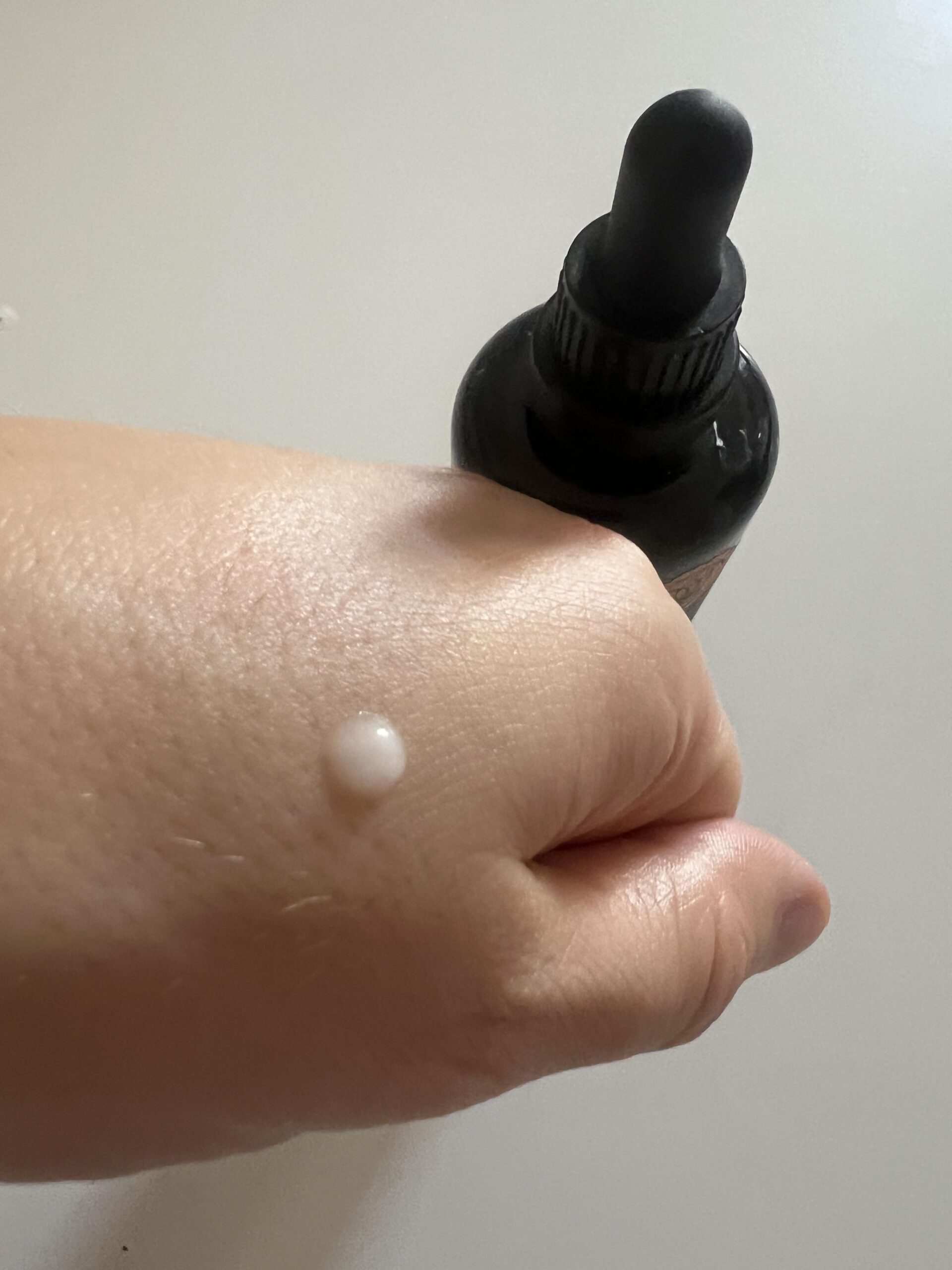
In my original photographs, the product looks like a pale, slightly milky serum coming out of the dropper. It is straightforward to distribute, whether I am applying a small dot to a single spot or spreading some over a larger area. On my skin it absorbs relatively quickly.
I do not find it especially greasy. With my ordinary amounts, the finish is comfortable and not distracting. The smell is acceptable and fairly unremarkable; fragrance is neither a major selling point nor a problem for me with this product.
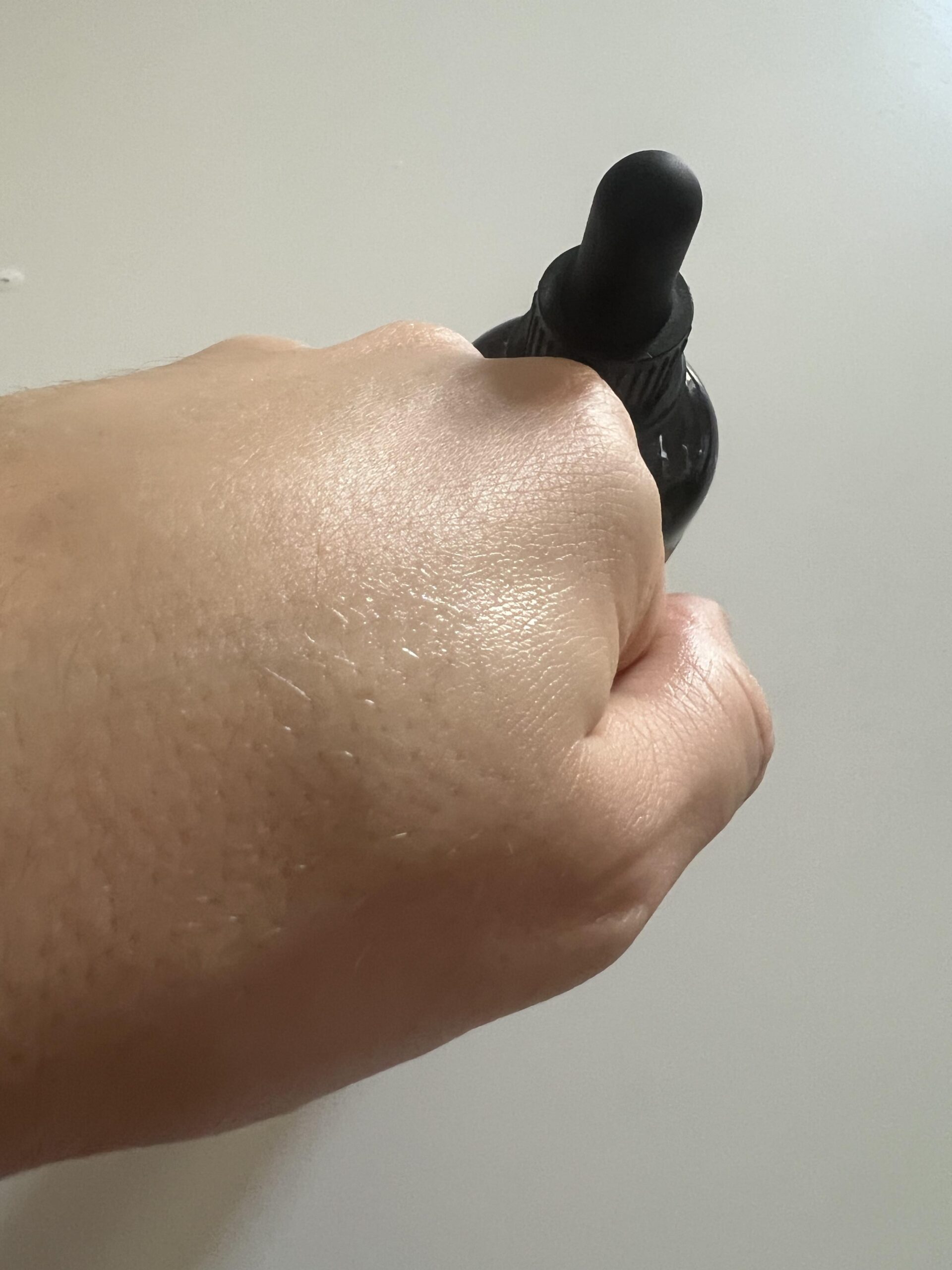
The product is comfortable enough during normal use that I have no problem continuing the routine. What changes that assessment is when I apply far more than necessary.
The biggest problem: too much serum caused painful stinging and peeling
I initially thought that applying a thicker layer might give even better results. I therefore used a fairly substantial amount on some spots and, occasionally, spread the serum over larger areas of skin. This was a mistake for my skin: the serum began to sting quite painfully in certain places. I also noticed peeling or flaking skin, particularly when I had applied a lot over a broader area.
I did not report persistent itching, additional redness or unusual dryness from the product, but the stinging and peeling were enough for me to reduce how much I applied. These are real negatives that matter in an honest review, even though I still like the cosmetic result when I use smaller amounts.
More product does not automatically produce better or faster results. The American Academy of Dermatology’s acne treatment guidance explains that topical acne treatments need appropriate use and that azelaic acid is an option for acne-related inflammation, but reactions and product strengths vary. My experience supports paying attention to tolerance rather than escalating the quantity independently.
How I apply it: body spot care, sometimes over an upper arm
I began using this serum shortly after buying it in June. My current pattern is roughly a couple of times a week, although the frequency depends on whether I have new spots. I do not measure out a fixed number of drops each time. Small marks receive a small amount; larger or more numerous spots sometimes prompt a wider application. I am now more cautious about this because larger amounts previously caused discomfort.
The back of my own bottle says, in English, to shake before use, apply 2–3 drops from the centre outward after cleansing, especially over blemishes or redness, and that it can be used morning and evening. The Kapua Naturals product page gives similar instructions and recommends daytime sunscreen. Those are the maker’s usage directions, not a requirement that I apply it twice daily or that using more is desirable.
Because most of my use has been on body areas without other skincare, I cannot evaluate its performance under makeup or in a complicated facial routine. I also would not casually assume that every type of red mark on an arm, chest, back or thigh is acne; irritation, eczema and other causes can require different care.
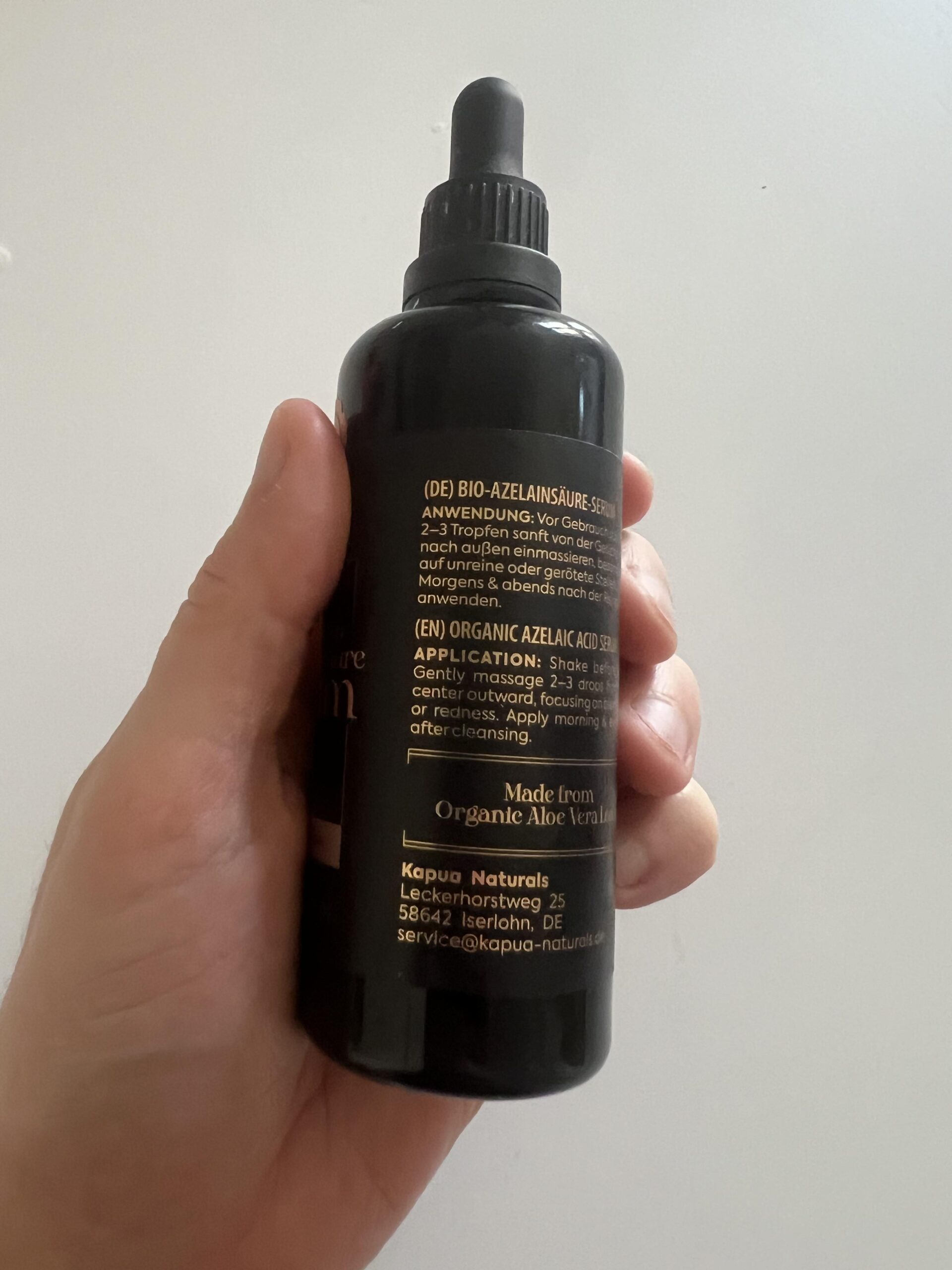
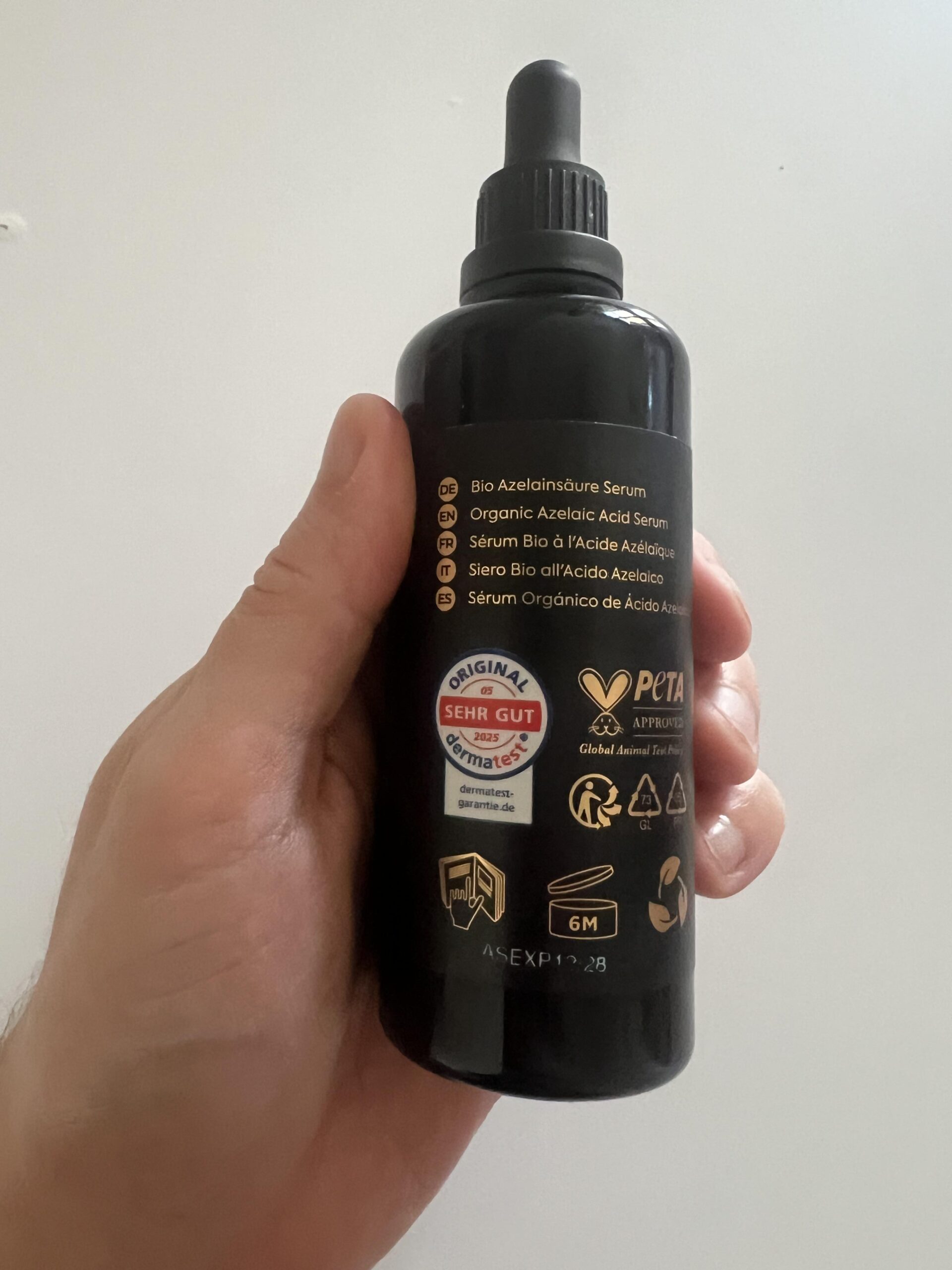
Packaging: the dropper makes precise spot application easy
The black glass bottle with a rubber bulb and glass pipette is pleasant to use. I can dispense the amount I want with reasonable control, and I have not had trouble opening or closing it. I have not noticed spilling, leaking or annoying product residue around the opening. That is especially valuable for an occasional spot treatment because I can aim for a small amount rather than squeezing out a large dollop.
The downside of any 100 ml bottle with a dropper is that it takes care to keep the pipette clean and avoid contact with skin before returning it to the bottle. I try not to touch the pipette tip to blemishes. I have not performed a contamination or stability test of the formula.
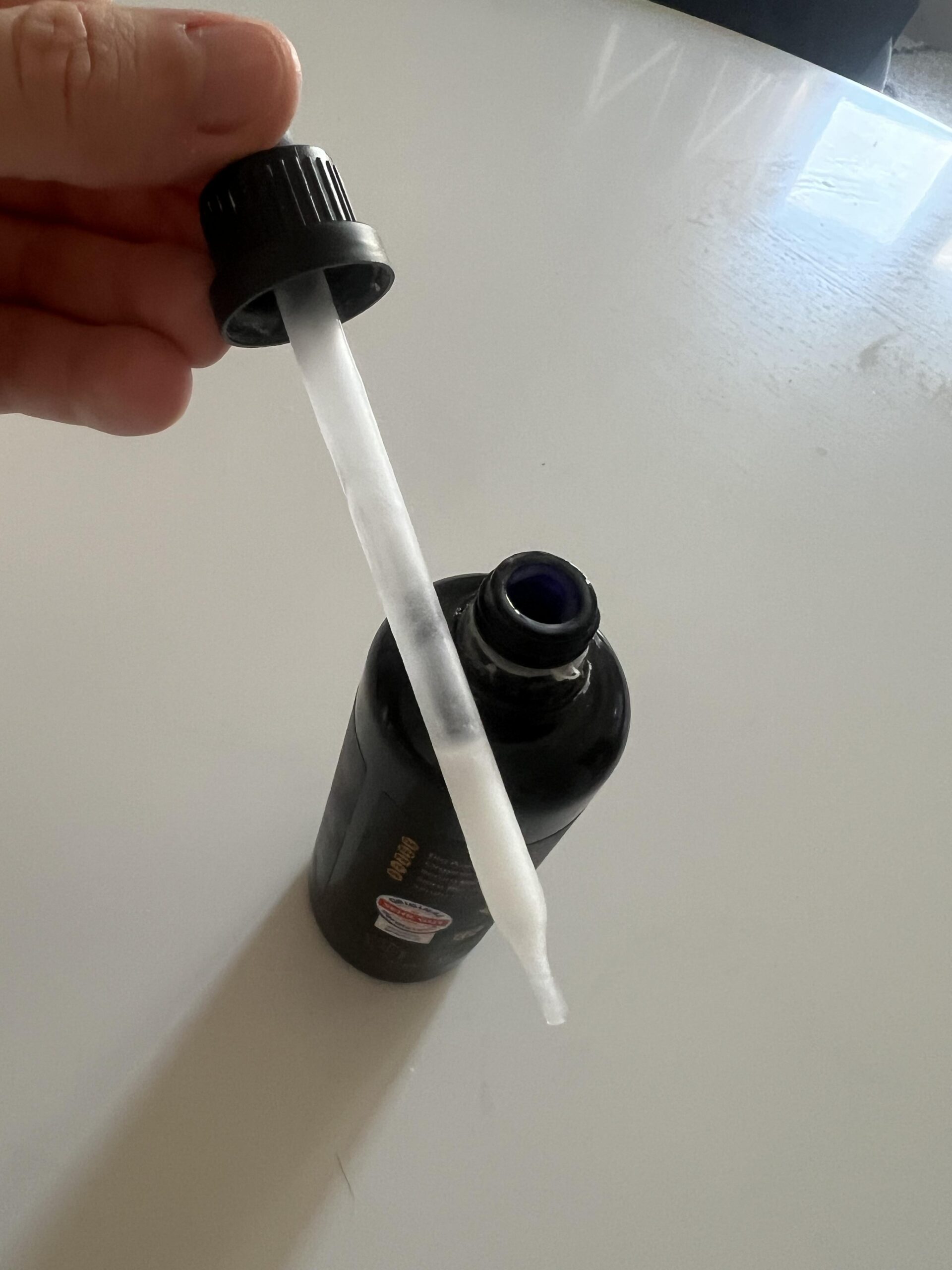
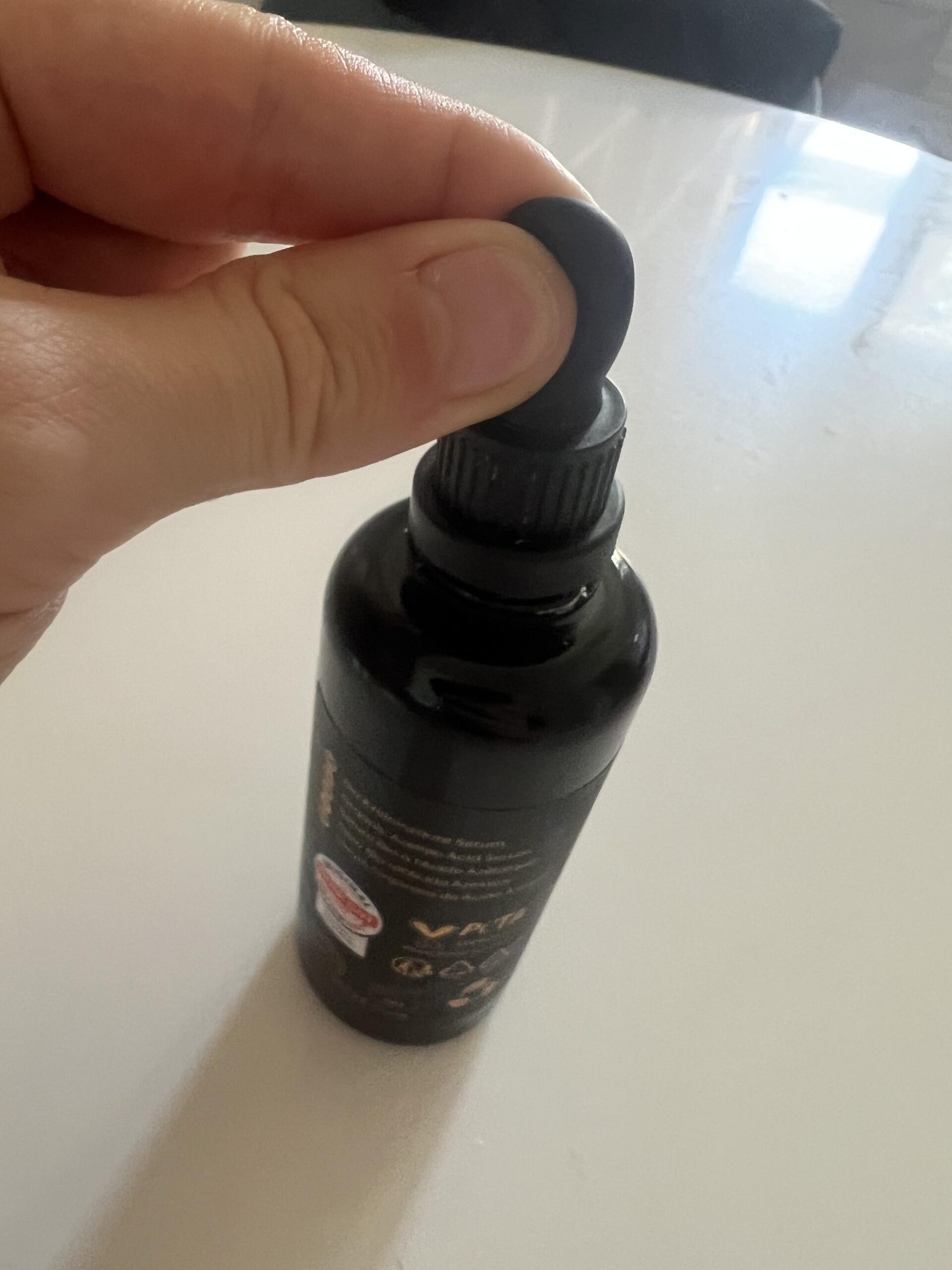
What is in Kapua Naturals Bio Azelain Serum?
The official Kapua Naturals product page identifies this 100 ml serum as containing 10% azelaic acid. The company lists an aloe vera base, panthenol, Zinc PCA, Centella asiatica, calendula, liquorice-derived ingredients, escin, glycerin and other formula components. It also lists bitter orange peel oil, limonene and parfum. Therefore, “natural” or “organic” marketing should not be confused with being fragrance-free or guaranteed non-irritating.
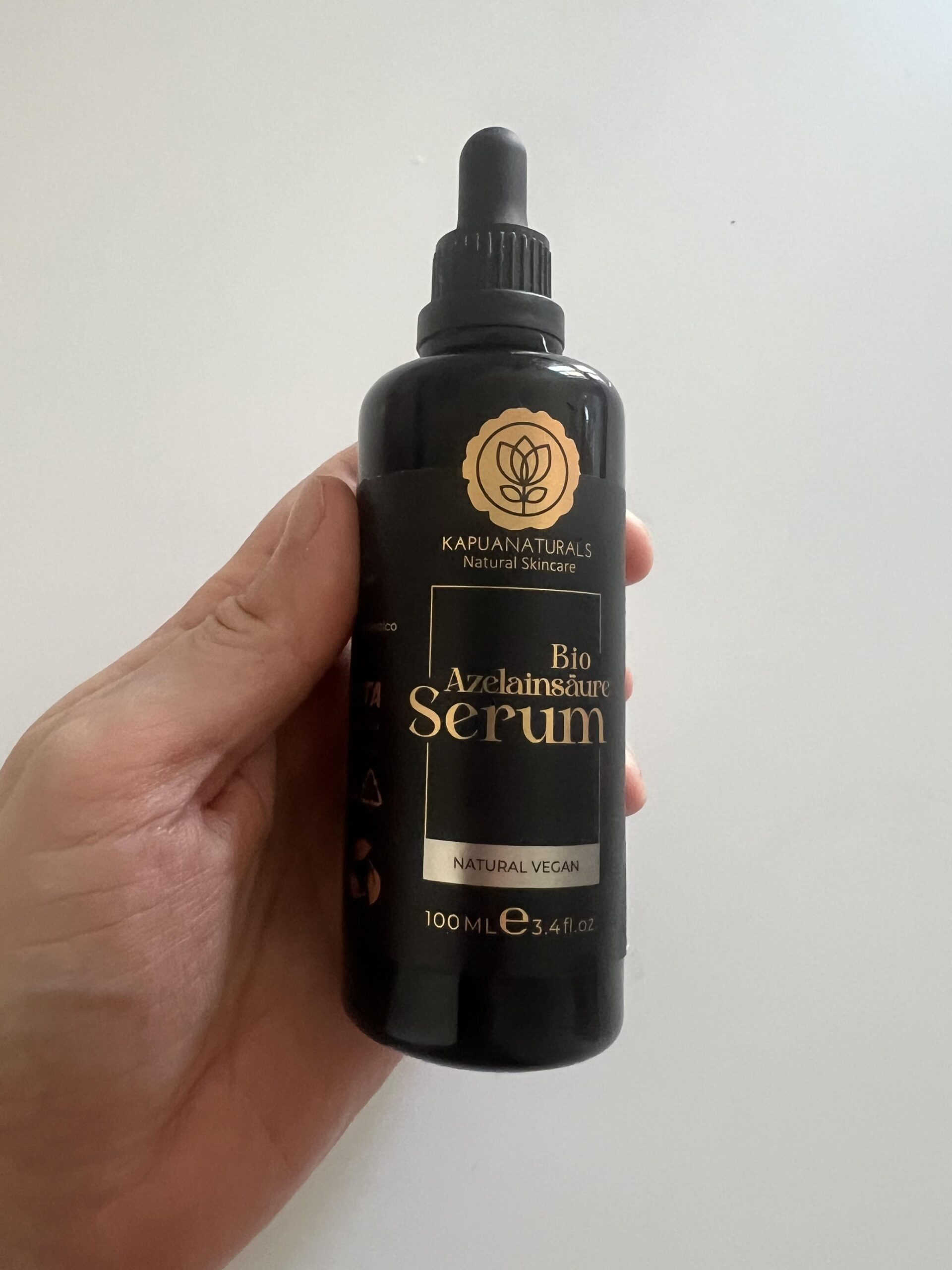
My bottle’s front says Kapua Naturals Bio Azelainsäure Serum, Natural Vegan, 100 ml. The brand’s 10% strength is a manufacturer-specified concentration, not something I independently measured in a laboratory. The 2026 photo also documents a 6M open-jar symbol (six months after opening), a packaging detail worth checking alongside any printed expiry date and current manufacturer instructions.
The ingredient mix helps explain why the product is marketed for blemish-prone and redness-prone skin, but individual ingredients and marketing descriptions are not evidence that this exact blend will remove every body spot. Body redness is a symptom with many possible causes, and the serum is not a substitute for diagnosing persistent, painful or spreading lesions.
Azelaic acid evidence: promising for acne, but not proof of a same-day fix
Azelaic acid is not an invented skincare fad. It has research-backed use for conditions including acne and certain pigmentation concerns. The American Academy of Dermatology’s current acne guideline lists azelaic acid among recommended options. The 2024 clinical guideline gives it a conditional recommendation for acne, based on relevant trials—many using 15–20% medical formulations, rather than necessarily this 10% cosmetic serum.
That distinction matters: evidence for the azelaic acid ingredient or for higher-strength pharmaceutical gels and creams does not automatically prove that Kapua Naturals 10% serum has identical results on the arms, back, chest and thighs. My personal impression that spots look calmer within hours is interesting, but I would not tell readers to expect a clinically verified improvement that fast.
I have not tested other azelaic acid products, so there is no honest head-to-head ranking in this review. Likewise, the PETA-related mark on my bottle is a packaging claim; I have not independently audited the brand’s manufacturing or animal-testing policies.
Why I rated it 4.2/5: my weighted score
I weighed my perceived visible results most strongly, followed by skin tolerance because painful irritation is important. The serum’s physical feel, value and dropper also contribute. These are editorial scores based on my firsthand observations, not clinical outcomes or measurements.
| Criterion | Weight | My rating | Why | Weighted points |
|---|---|---|---|---|
| Perceived visible improvement | 40% | 4.8/5 | Spots and red-looking areas seem less visible, sometimes within hours; informal personal observation | 1.92 |
| Comfort and skin tolerance | 25% | 3.0/5 | Comfortable in ordinary use, but thick or widespread layers have caused painful stinging and peeling | 0.75 |
| Spreadability and finish | 15% | 4.6/5 | Easy to spread, absorbs relatively quickly, non-greasy comfortable feel and unremarkable scent | 0.69 |
| Value for money | 10% | 3.8/5 | €21.90 feels fairly costly, though roughly half remains and I would likely buy it again | 0.38 |
| Dropper and packaging | 10% | 4.8/5 | Precise pipette, no leakage or significant handling problems | 0.48 |
| Total | 100% | 4.2/5 rounded | Personal editorial score, with significant penalty for painful overapplication reactions | 4.22/5 |
Math: (4.8 × 40%) + (3.0 × 25%) + (4.6 × 15%) + (3.8 × 10%) + (4.8 × 10%) = 4.22, rounded to 4.2/5. I consider this a good overall experience, not a perfect one. How I Test explains how I approach firsthand evaluations and how I separate subjective impressions from measured performance.
Who would I recommend this serum to?
I might recommend it to someone who wants to try a cosmetic azelaic acid serum for individual blemishes, is prepared to use only small amounts and can monitor their skin’s tolerance. My real-world experience has been encouraging at ordinary amounts, and the 100 ml bottle has lasted a fairly long time.
I would not recommend using it recklessly on widespread, unexplained red patches or layering thickly on inflamed or broken skin to “speed up” improvement. I would also be cautious if you know your skin is sensitive to citrus oil or fragrance components. Persistent, spreading or painful body lesions warrant assessment rather than trial-and-error with increasingly generous quantities of active serum.
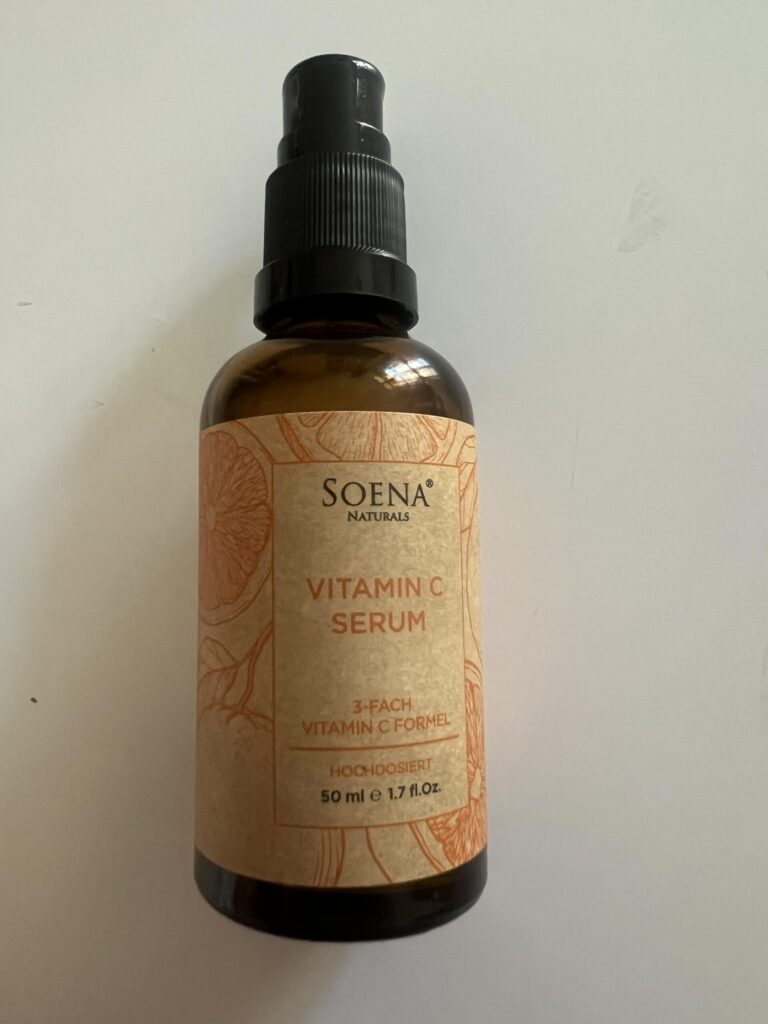
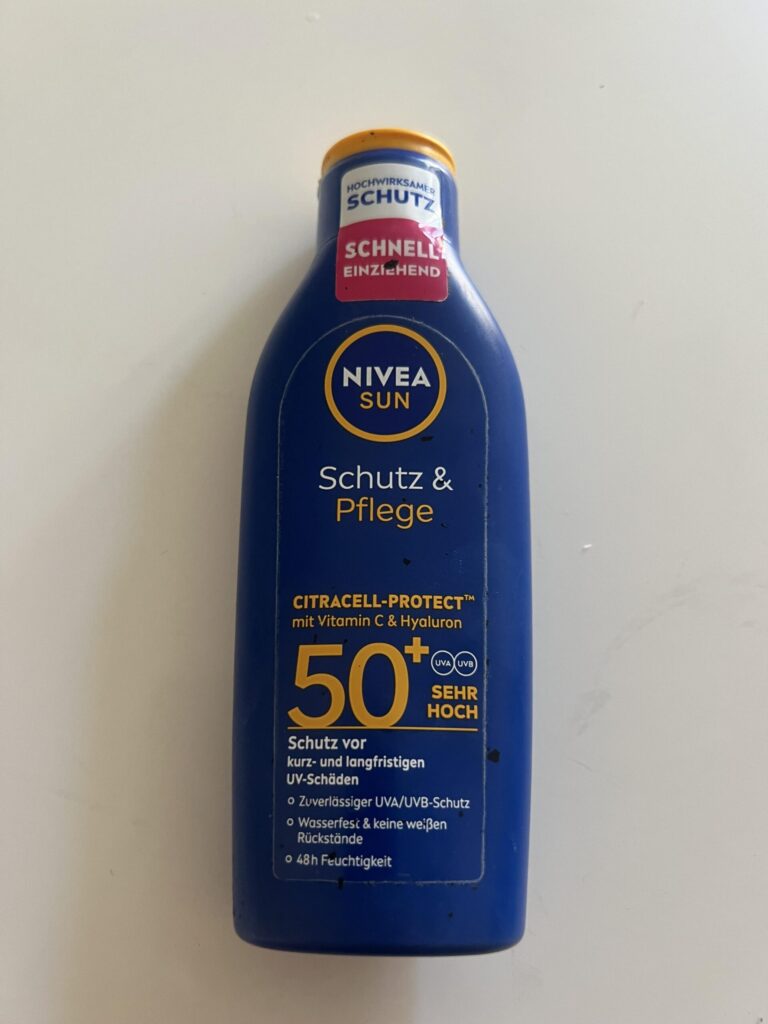
For other genuine skincare experiences on JonTests, see my Neutrogena Retinol Boost Night Cream review and Soena Naturals Vitamin C Serum review. They serve different purposes; I have not tested them as direct substitute treatments for my body spots.
Frequently asked questions
Is this a facial azelaic acid serum or a body spot treatment?
Kapua markets it for blemish-prone skin more generally. My own testing was primarily on the body—especially upper arms, with occasional chest, back or thigh use. I only used it on my face rarely.
Did my blemishes disappear within a few hours?
I noticed that some spots looked less visible within hours of application. That is a subjective observation, not a documented cure or a guarantee that actual acne lesions resolved that fast.
Can too much azelaic acid serum cause burning or peeling?
For me, absolutely: using thicker layers over larger patches caused painful stinging and skin peeling. Do not treat this as a desirable sign. Stop applying it to irritated skin and seek medical advice for persistent or severe symptoms.
Is Kapua Naturals Bio Azelain Serum 10% fragrance-free?
No such claim is supported by the current manufacturer’s ingredient list, which includes citrus peel oil, limonene and parfum. I find the scent acceptable, but people with fragrance sensitivity should check the full current label.
How often did I use it?
A couple of times weekly from June 2026 onward, depending on blemishes. The amount varies with the area, but I now avoid excess after past irritation.
Is €21.90 for 100 ml worth it?
It feels somewhat expensive to me, yet about half remains and I would probably buy it again because of the results I perceive. My purchase price was €21.90 on June 21, 2026.
Does the serum replace medical treatment for unexplained rashes?
No. I have not had every red patch diagnosed, and azelaic acid is not a universal solution for red body lesions. Persistent, spreading, hot, painful or otherwise concerning areas merit appropriate medical assessment.
My original photos and external sources
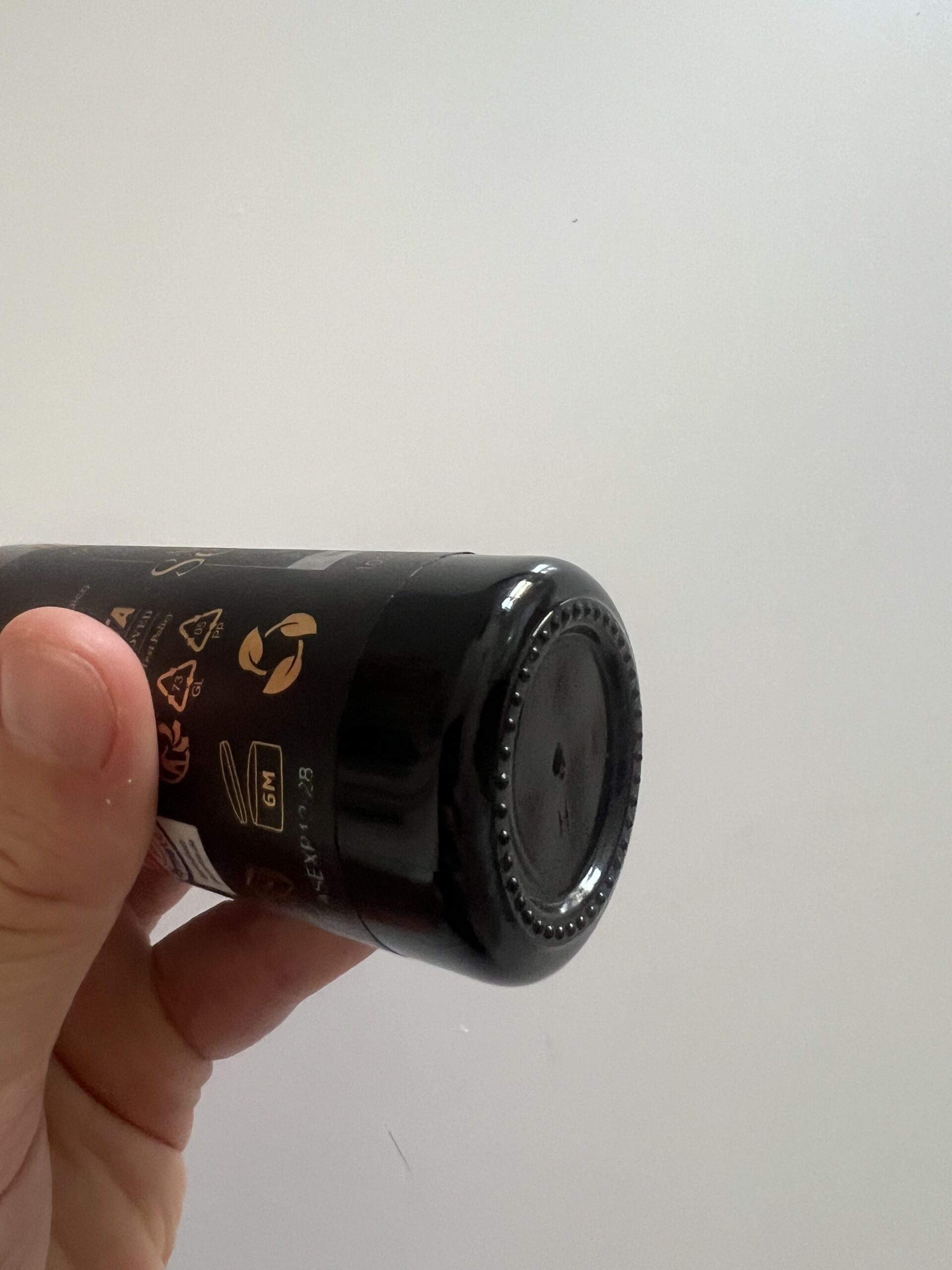
All product and texture photographs here were taken with my own Kapua Naturals black 100 ml bottle. They document its label, dispenser, consistency and application to skin, not clinically controlled treatment effects. More product details and manufacturer instructions are available at the official Kapua Naturals Bio Azelain Serum page. For independent clinical context, see the American Academy of Dermatology acne treatment guide and its acne guideline.
The owner-supplied Amazon short link is included as a shopping option; its final redirect was not independently resolvable during preparation. The accompanying Amazon.de page (ASIN B0F63JRNCT) was provided to identify the intended product. Check the seller, Kapua Naturals 100 ml 10% azelaic acid serum variant, ingredients and live price before purchase.