Healthcare by Amazon Contact Lens Solution Review: 2 Bottles Used
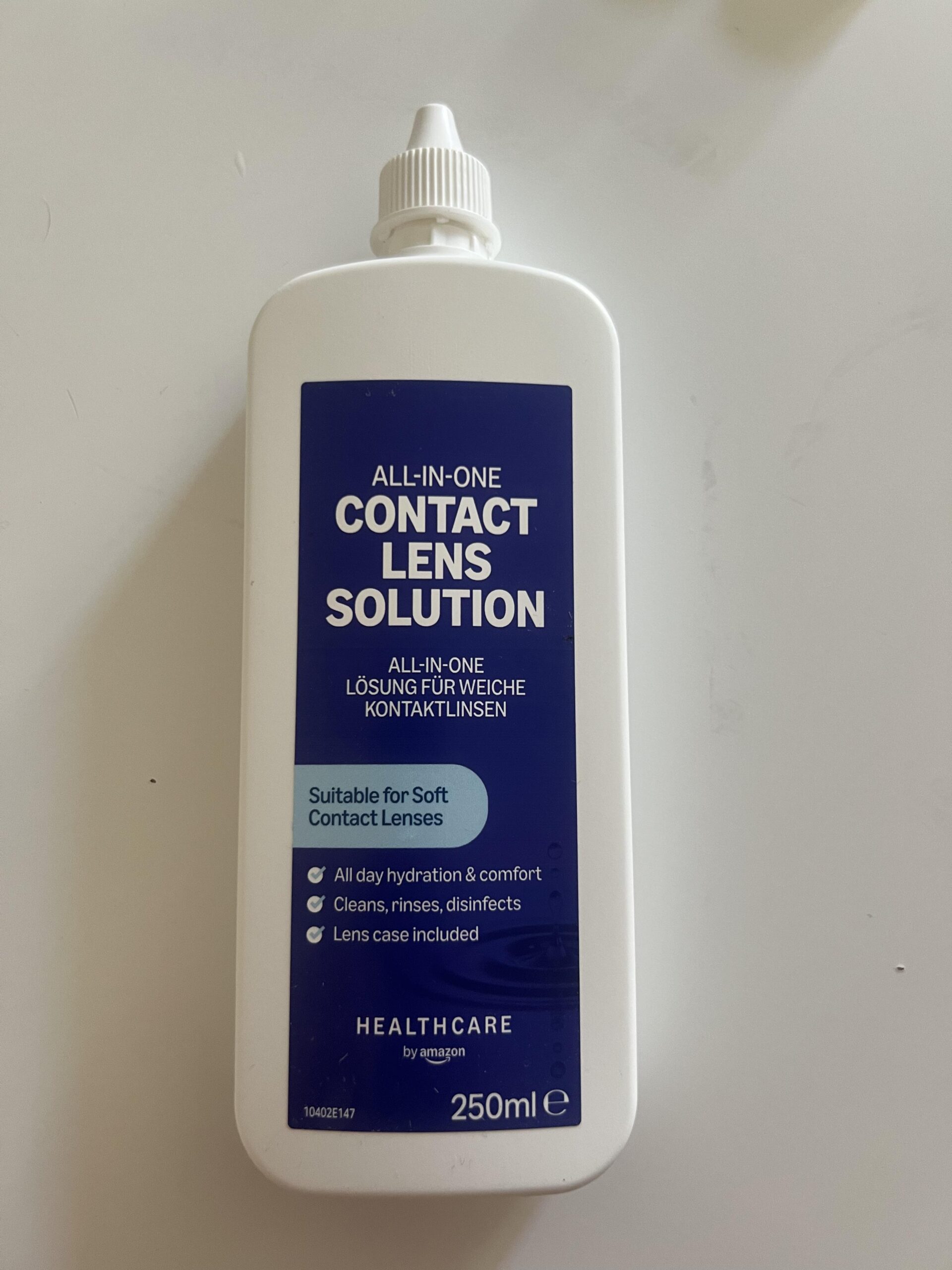
My Healthcare by Amazon All-In-One Contact Lens Solution review after using two 250 ml bottles: 4.3/5. I have bought three twin-packs in total — six 250 ml bottles — and estimate that the two bottles I have used so far lasted roughly four months of daily lens wear. I like the low price, compact bottles and especially the mailbox-friendly deliveries. The fluid has felt entirely adequate in my routine, although the nozzle is not my favourite: it starts pouring as soon as I tip the bottle, which can waste some solution if I am not ready.
My purchases were €6.44 for one 2 × 250 ml pack on December 28, 2025, then two more 2 × 250 ml packs at €6.59 each on April 13, 2026. Every bottle was bought at the usual price with my own money, without any discount, sponsorship or compensation. I would buy this solution again, but there is an important qualification: my lens-care routine has not included the recommended rubbing and rinsing steps, so feeling comfortable in the morning does not establish that my lenses were adequately cleaned or disinfected.
Affiliate disclosure: This article contains an Amazon paid/affiliate link. As an Amazon Associate I earn from qualifying purchases at no extra cost to you. I bought all bottles myself with no gifting, sponsorship, discount or compensation. The score below is my own editorial assessment of usability and value, not a lab-tested clinical performance score. See my affiliate disclosure.
My use: ~4 months estimated · 2 × 250 ml bottles used · daily soft-lens routine
I paid: €6.44–€6.59 per 2-pack · ~€3.27 per bottle overall
Paid affiliate link · verify 2 × 250 ml pack, original sealed product and compatibility with your prescribed lens-care system
Healthcare by Amazon All-In-One Solution — 4.3/5
Quick verdict: A genuinely inexpensive, convenient soft-contact-lens solution that has seemed comfortable in my own use. Mailbox delivery is excellent. The main practical irritation is the fast-flowing bottle nozzle, which can cause avoidable waste.
Best for: People whose eye-care professional has approved a compatible multipurpose soft-lens solution, who want everyday value and do not need to be home to receive a parcel.
Skip if: You want a bottle that only dispenses when squeezed, prefer 100 ml-or-smaller travel packaging, or need a lens solution selected for diagnosed sensitivity without professional advice.
Would I buy it again? Yes. Despite occasional spills, I have not found a better-value alternative for my needs. I would improve my cleaning technique rather than treat the solution as proof that soaking alone is sufficient.
What I liked
- Excellent historical purchase price for two 250 ml bottles
- Flat, compact bottles designed to fit through the letterbox
- Easy to store and convenient for regular home use
- My lenses feel comfortable when I put them in the next morning
- No unusual smell, cloudiness or immediate insertion discomfort in my use
- I would repurchase it
What I would change
- Liquid starts running when tipped, even without a squeeze
- Easy to miss the contact-lens case and waste some liquid
- No ≤100 ml bottle option in this pack for straightforward standard carry-on liquid allowances
- I have not verified cleaning or disinfection effectiveness in a controlled test
Bottom line — 4.3/5: Cheap, mailbox-friendly and a solid practical fit for my monthly-lens routine, with one irritating dispensing flaw. I will buy it again. My score reflects value and my own handling experience, not a claim that it can be used without following the full cleaning and disinfection instructions.
My purchases and the real price per bottle
My first order was made on December 28, 2025: a pack containing two 250 ml bottles for €6.44. On April 13, 2026, I ordered two of the same twin-packs, each costing €6.59. I paid the prices myself and received no discounts or compensation. That makes six bottles purchased — but only two actually used so far, so I will not pretend that this is a six-bottle long-term durability test.
| My order | What I bought | Total price | Price per 250 ml bottle |
|---|---|---|---|
| December 28, 2025 | 1 pack × 2 bottles (500 ml) | €6.44 | €3.22 |
| April 13, 2026 | 2 packs × 2 bottles (1,000 ml) | €13.18 | €3.30 approximately |
| Both orders | 6 bottles, 1,500 ml total | €19.62 | €3.27 average |
This is €13.08 per litre across my orders. At the estimated rate of two 250 ml bottles over approximately four months, the solution itself works out to around €1.64 per month. Both the duration and monthly cost are approximate because I did not precisely log the dates each bottle was opened and finished. It also excludes lens cases, contact lenses and other eye-care costs.
The 2025 and 2026 purchase prices are historical. They do not establish the current Amazon selling price or which twin-pack is the cheapest today.
Why I bought it: low price and surprisingly useful mailbox delivery
I was looking for an affordable multipurpose solution for my reusable soft contact lenses. This was the cheapest appealing option I could find on Amazon at the time, and its customer feedback looked good. Those were my buying reasons, not a systematic survey proving it was objectively the lowest-priced lens solution on the market.
The unusual practical advantage is how the two slim 250 ml bottles fit a typical letterbox delivery. I do not have to arrange to be at home for the parcel. For a repeat purchase that I need regularly, that convenience matters more than it might seem in a product description. Of course, the exact shipping method and whether it fits a given letterbox depend on the retailer, packaging and your own mailbox.
The bottles themselves are a good size for a cupboard or bathroom. They are easy to store and not bulky. I like the overall format enough that I ordered additional packs rather than switching brands.
The biggest annoyance: the nozzle pours before I squeeze
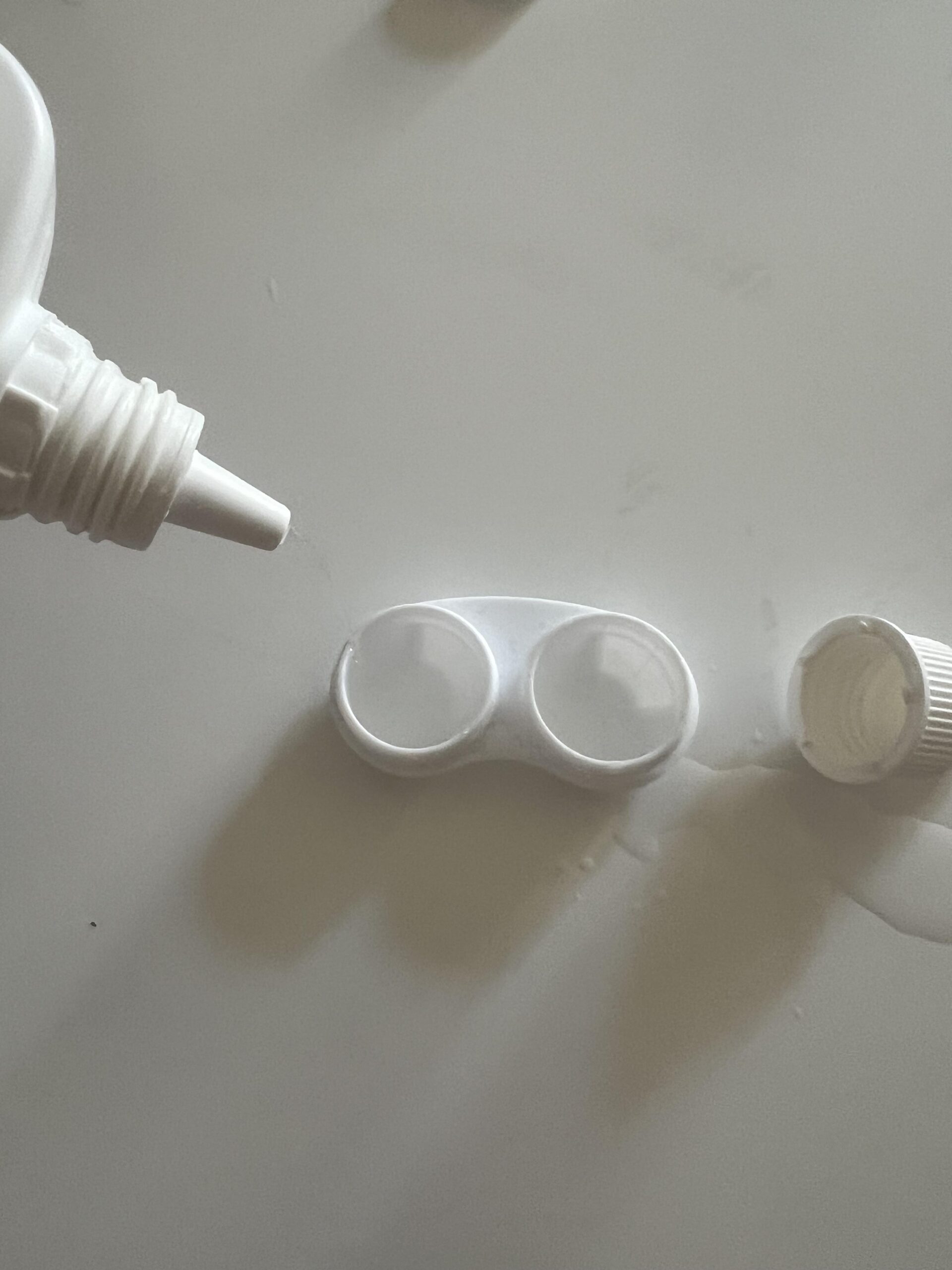
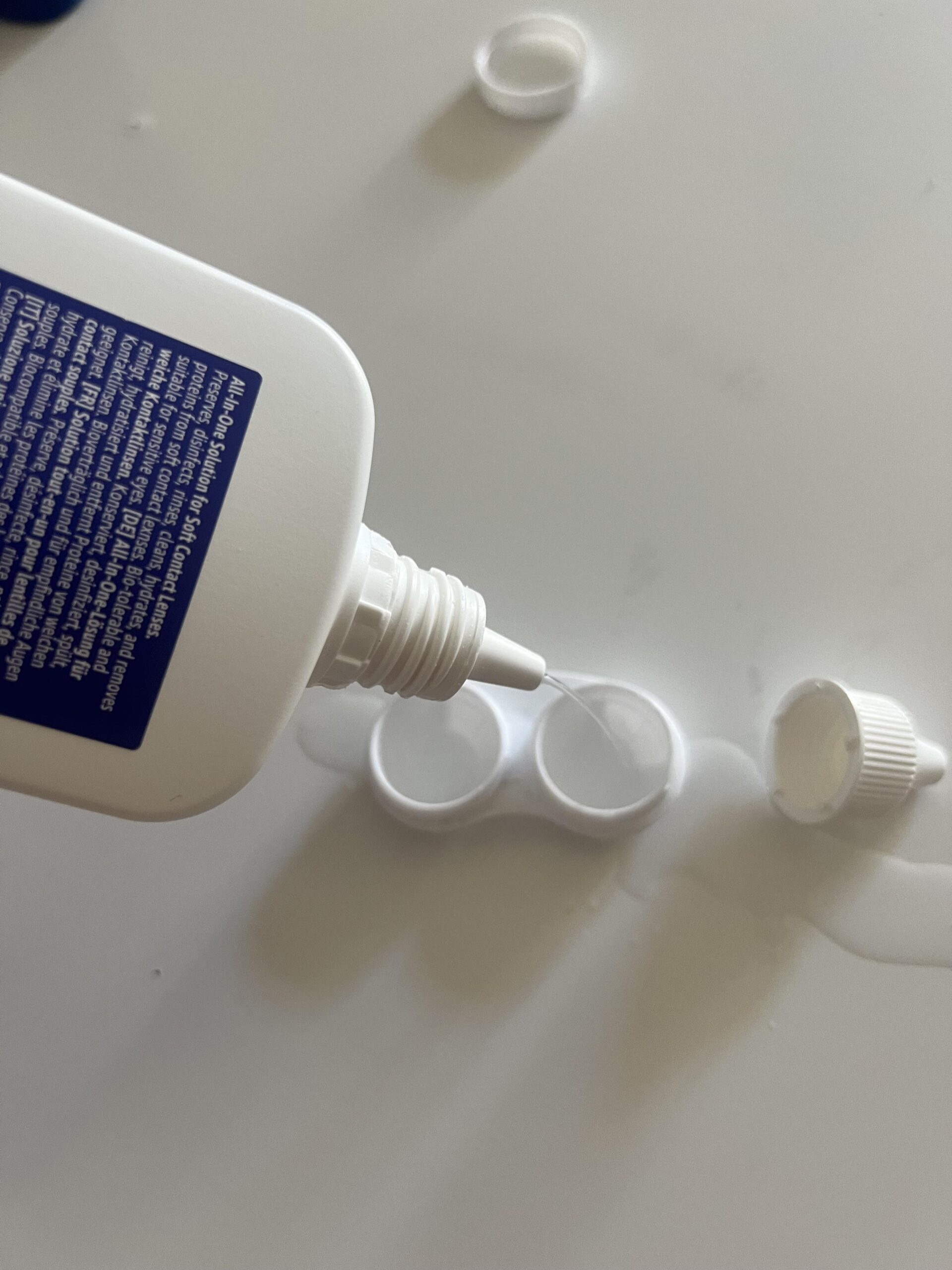
My one recurring complaint is how the liquid comes out. With this bottle, when I turn it upside down, the solution can already start flowing even before I deliberately squeeze it. If the nozzle is not quite above the small well of my lens case, I can miss and spill a little.
I would prefer a bottle that takes a slight squeeze before dispensing. That would give me more time to aim at the lens case. This is not a severe defect, and I have learned to position it more carefully, so there is less waste once I get used to it. Still, it is an avoidable inconvenience — and losing even a small amount feels more irritating when I chose the product for being economical.
Do my contact lenses feel good after storage?
Yes, subjectively. I wear reusable monthly soft contact lenses and use fresh solution in the case each day. I have not experienced an unusual smell from the solution, obvious cloudiness, or immediate stinging or discomfort when I put my lenses in the next morning. My lenses generally feel comfortable after they have spent the night in the case.
However, I sometimes have dry or slightly red eyes. I do not personally think the solution is necessarily responsible; my contact lenses, wear time and other factors may be more relevant. But I have not tested the solution against a comparator, done an eye examination or ruled out sensitivity, so I cannot confidently assign the symptoms to — or clear — any one product.
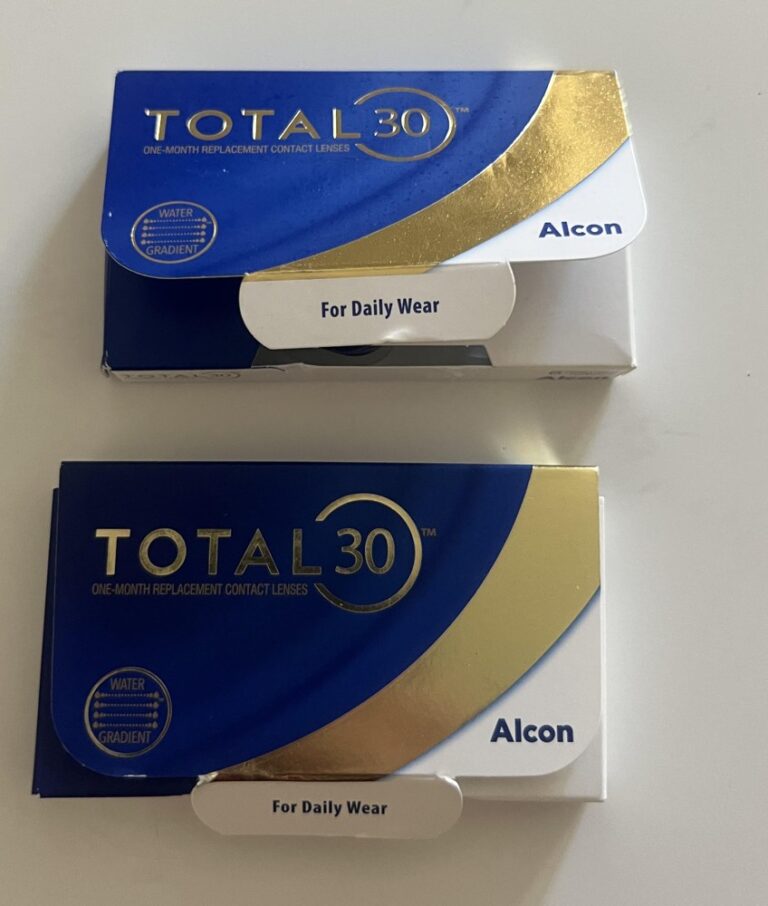
There is an important connection to my hands-on TOTAL30 monthly contact lens review: I have used this solution as part of that daily routine. Because my cleaning technique has not followed every recommended step, it would be misleading to credit either the lens material or the solution with clinically verified performance.
Important contact-lens hygiene: what I did versus what is recommended
I have been removing my reusable lenses each night and replacing the old liquid in the case with fresh solution. I have not consistently rubbed and rinsed the lenses before storage. I am describing what I did, not recommending it as a safe method. Feeling fine the next morning is not evidence that the lenses were adequately disinfected.
The CDC recommends rubbing and rinsing reusable soft lenses with recommended disinfecting solution, then storing them in fresh solution. Use the procedure and soaking time in the product’s full leaflet and the instructions from your eye-care professional. Never mix old and new solution, never use tap water, and clean, dry and regularly replace your case. If you have persistent redness, pain, light sensitivity or a change in vision, take out your contacts and obtain prompt professional advice.
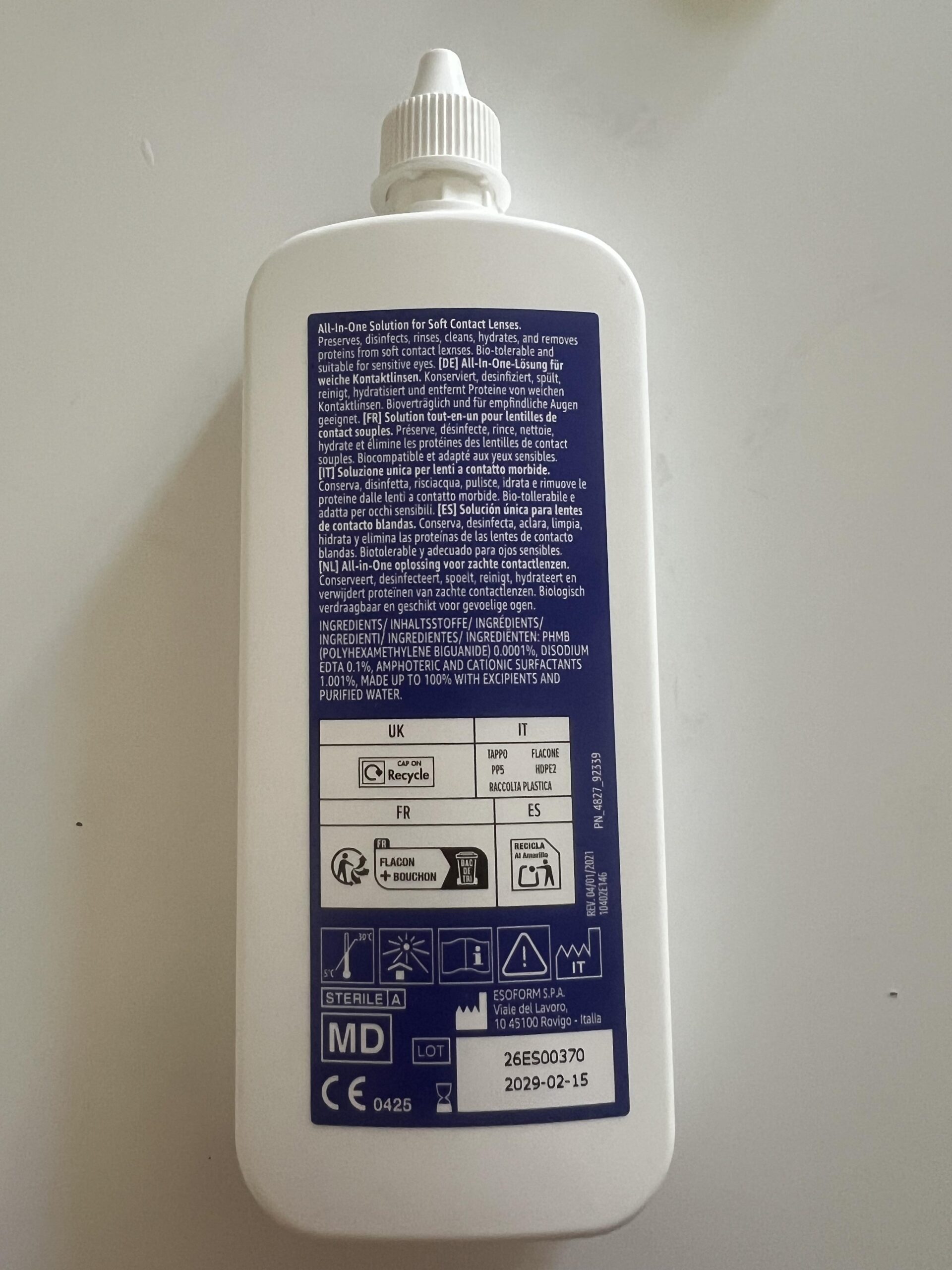
The bottle’s own front and back labels identify it as an all-in-one product for soft contact lenses and claim that it cleans, rinses, disinfects and supports hydration. Its rear label also shows the preservatives and other formulation components. These are manufacturer-labelled functions, not a claim that I personally measured microbial kill rates or protein removal. I did not verify the exact lens-soaking time from the available bottle photo, so follow the complete pack leaflet rather than relying on this review for a timed procedure.
Is it suitable for sensitive eyes?
The product’s sales description describes it as bio-compatible or suitable for sensitive eyes. I have not experienced an obvious reaction immediately after inserting lenses stored in it, but I also sometimes experience mild dryness or redness during longer periods of lens wear. I cannot verify the advertised sensitive-eye benefit from that experience.
Someone with recurring irritation, known sensitivity to a preservative or another eye condition may need a different care system. They should discuss this with an eye-care professional rather than assume the term “for sensitive eyes” guarantees compatibility. The FDA’s contact-lens solution guidance also explains why correct cleaning procedures and not transferring solution between containers are important.
250 ml travel size: good for storage, less convenient for standard cabin baggage
A 250 ml bottle is convenient around the house and for receiving by post, but I wish it were available in an original sealed 100 ml-or-smaller option for straightforward packing with ordinary cabin-baggage liquids. The European Commission’s airport liquid rules generally require non-exempt liquids to be in individual containers no larger than 100 ml. There are exemptions for liquids needed for medical purposes during travel, which may include contact-lens supplies where accepted by the airport.
So it would be incorrect to say a 250 ml lens-solution bottle is categorically banned from every flight. Check the rules at both your departure and transfer airports, bring any needed documentation and prepare for separate screening if invoking a medical exception. For hassle-free travel under the ordinary 100 ml rule, an approved original manufacturer-sealed small bottle is more convenient. Do not decant sterile lens solution into an ordinary refillable travel bottle; the FDA advises against doing so because of contamination risk.
What I can — and cannot — compare against other solutions
I previously had some contact-lens solution supplied with a different lens purchase, but I do not remember the brand well enough to give a fair named comparison. I cannot honestly say this Amazon product is medically better, more gentle or more effective than an identified alternative.
My reasons to keep buying it are practical: I could not find a more convincing inexpensive option at the time, the bottles are easy to store, the packs can arrive via the mailbox, and I have had no clear product-specific complaint beyond minor spilling. Price matters to me much more than an unsubstantiated claim of superior disinfection.
My transparent 4.3/5 weighted score
JonTests ratings describe my personal first-hand ownership experience. They are not an average of retailer ratings, not clinical evidence, and not a score for germ-killing performance. I gave the highest weight to price and practical daily usefulness, which are the things I actually observed.
| Criterion | Weight | Score | What I observed |
|---|---|---|---|
| Value at my purchase price | 35% | 4.9/5 | Six bottles averaged €3.27 per 250 ml; I reordered twice |
| Subjective next-morning comfort and everyday usability | 25% | 4.2/5 | Lenses generally feel comfortable; no clear immediate product-related issue, but no clinical test |
| Pouring and dispensing control | 20% | 3.3/5 | Good enough after practice, but prone to minor waste before squeezing |
| Mailbox delivery, bottle size and storage | 15% | 4.8/5 | Very practical at home and easy to receive when away |
| Small-format travel flexibility | 5% | 2.8/5 | No 100 ml bottle in this specific pack; travel exemptions may apply |
Calculation: (4.9 × 0.35) + (4.2 × 0.25) + (3.3 × 0.20) + (4.8 × 0.15) + (2.8 × 0.05) = 4.285/5, rounded to 4.3/5. Proper lens-cleaning technique and clinical safety are not scored here, because I did not test them adequately. Read How I Test for the site’s methodology.
Who should consider this solution — and who should look elsewhere?
Consider it: if your eye-care professional has confirmed a multipurpose solution like this is suitable for your soft lenses, you like budget-friendly consumables, and you appreciate receiving compact packs through the letterbox without having to be at home. At the prices I paid, it is a very economical home-use choice.
Consider alternatives: if you need finer control of the bottle nozzle, prefer an original sealed 100 ml travel format, or have ongoing sensitivity requiring an individually recommended care system. If you are experiencing red or uncomfortable eyes, do not just guess at the cause from an online review.
Would I repurchase? Yes. My frustrations with a little spilled solution are outweighed by low cost and delivery convenience. I would keep the product but correct my lens-care technique and discuss any recurring redness with an eye-care professional.
Common buyer questions
How much does a 250 ml bottle cost in your experience?
I paid €6.44 for a 2-pack in December 2025 and €6.59 per 2-pack in April 2026, making my overall average around €3.27 per 250 ml bottle. Those are my historical prices, not today’s quoted prices.
How long did the solution last?
I estimate that two 250 ml bottles lasted roughly four months combined during daily use, but I did not record exact opening dates or total daily dispensing volumes.
Does the bottle leak?
I have not reported a leaking sealed bottle. My issue is different: once I invert the open bottle, fluid starts flowing readily through the nozzle even without a squeeze, so I occasionally spill some while aiming at the lens case.
Is the solution safe for sensitive eyes?
The brand markets it for sensitive eyes, but I cannot establish its suitability for everyone. I sometimes experience mild dryness or redness and have not isolated a cause or performed a proper comparative tolerance study.
Is soaking lenses overnight enough?
Not necessarily. My earlier routine skipped rubbing and rinsing. Follow the complete product directions and professional guidance; CDC guidance recommends rubbing and rinsing reusable soft lenses before storing them in fresh solution.
Can I take the 250 ml bottle in carry-on luggage?
It exceeds the ordinary 100 ml cabin-liquid container allowance, although medical-necessity exceptions can apply. Check airport rules before travel; do not transfer sterile contact-lens solution into an unsterile smaller bottle.
Original photography, sources and retailer details
I used the real Healthcare by Amazon 250 ml bottle I purchased for all four original photos: front, ingredient label and two photographs of the nozzle above my storage case. Nothing was generated to imitate a product I did not own. I did not independently analyse the solution’s chemical composition, verify disinfection kill rates or test claims about allergic reactions.
Safety guidance: CDC, cleaning and storing contact lenses; FDA, lens solutions and products; European Commission, airport liquid regulations. The manufacturer’s formulation and intended soft-lens functions are also printed on the bottle shown in my own photographs.
Shopping links: supplied Amazon affiliate link and supplied Amazon Germany product page. Verify that the listing still represents Healthcare by Amazon All-In-One for soft contact lenses, two 250 ml bottles and follow the genuine package directions. Retailer listings, price and affiliate redirects may change; I have not independently confirmed the current redirect destination.