Dreame L10s Pro Gen 3 Review: 3+ Months of Near-Daily Use
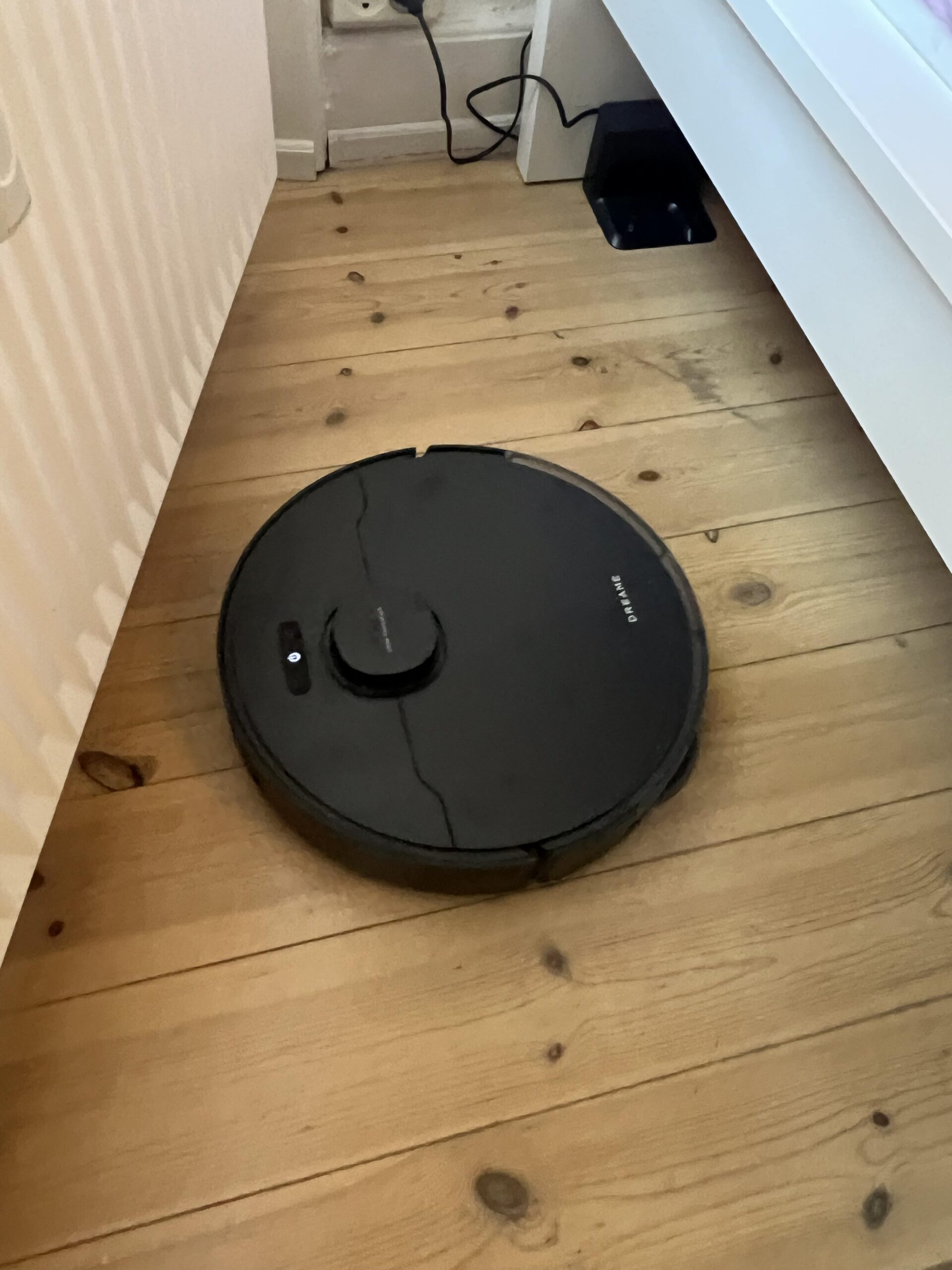
I bought the Dreame L10s Pro Gen 3 on June 20, 2026 for €178.60 (about US$205 at the June 2026 exchange rate) and have used it almost every day or every other day since. A normal run takes about 45 minutes in my roughly 64 m² apartment, which has mainly wooden floors plus a few rugs and one small threshold.
The biggest change is simple: I barely vacuum manually anymore. The robot handles most dust, hair and crumbs, it mops at the same time, and when it is finished it drives back to its charger on its own. I still have to prepare the apartment a little, though. Loose cables are its biggest enemy, and small thick rugs or my threshold can occasionally slow it down.
Affiliate disclosure: This review contains a paid Amazon link. If you buy through it, Jon Tests may earn a commission at no extra cost to you. I bought the Dreame L10s Pro Gen 3 myself at full price and received no free product, discount or compensation for this review. As an Amazon Associate I earn from qualifying purchases. Full disclosure.
Dreame L10s Pro Gen 3 — 4.4/5
Quick verdict: For €178.60 (about US$205 at the June 2026 exchange rate), this has been one of the easiest ways I have found to remove two chores from my routine at once. It vacuums my apartment well enough that I rarely need a normal vacuum, and the spinning mops keep the wooden floors noticeably cleaner than when I simply skipped mopping.
Best for: smaller apartments with mostly hard floors, some rugs and an owner who does not mind a few minutes of manual maintenance each week.
Skip if: you want true hands-off cleaning, have lots of loose cables or clutter on the floor, or have high thresholds and thick rugs that a robot may struggle with.
- Handles almost all of my normal vacuuming
- Good pickup of dust, hair and crumbs on wooden floors
- Carpet boost cleans my rugs surprisingly well
- Spinning mops mean I actually get the floors mopped regularly
- Good mapping, room recognition and no-go zones
- Returns to charge by itself and has excellent battery headroom in my apartment
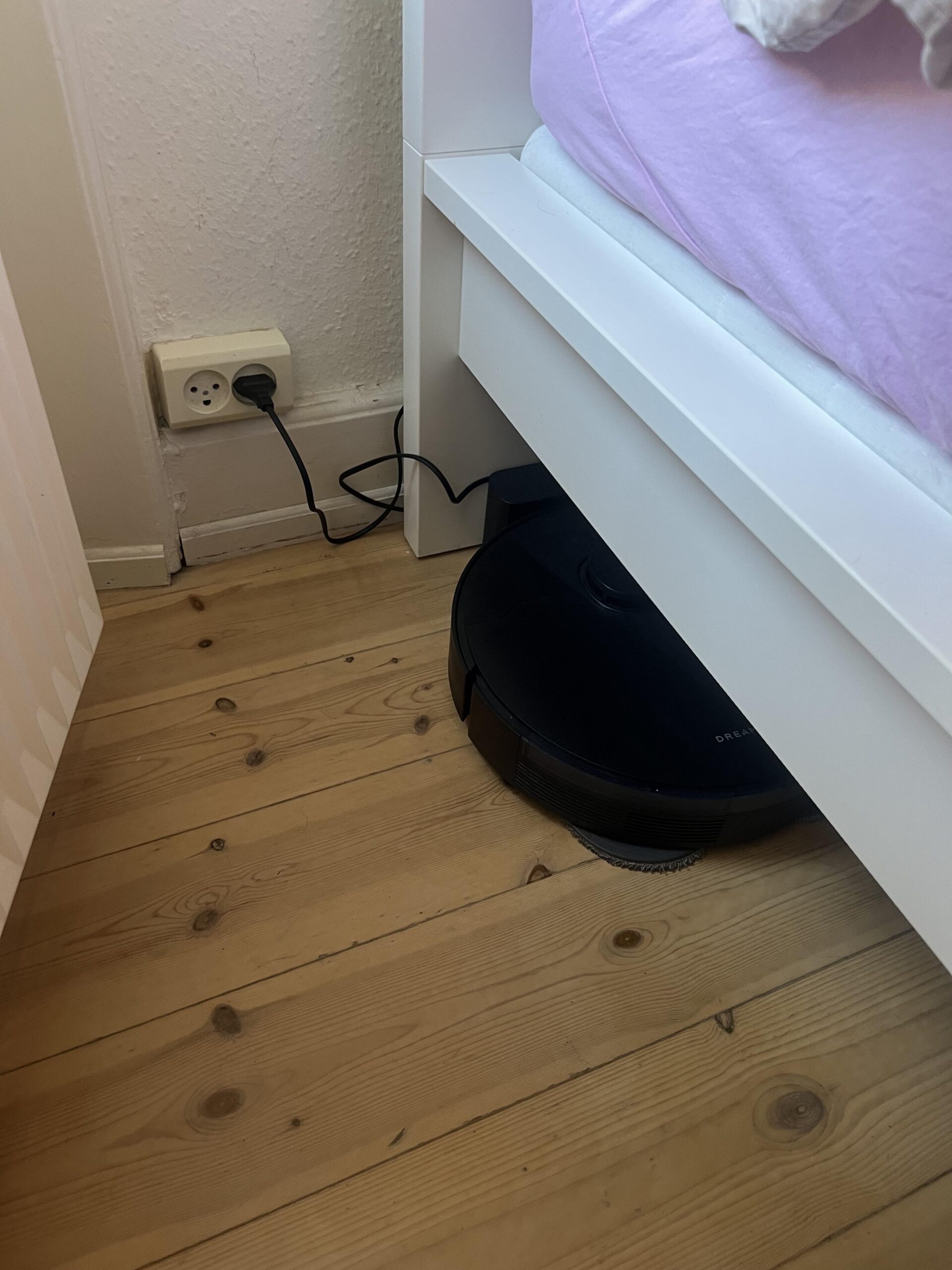
- Small charging dock is easy to hide
- Loose cables need to be picked up first
- I also lift curtains and move laundry baskets before many runs
- Small thick rugs and my threshold can occasionally slow or trap it
- Mopping does not remove stubborn dried-on marks
- No self-emptying or automatic water refill
- It can leave a little debris right against some wall edges
How I tested the Dreame L10s Pro Gen 3
- Purchased: June 20, 2026
- Price paid: €178.60 (about US$205 at the June 2026 exchange rate), paid by me at full price
- Use period: 3+ months at the time of this review
- Frequency: almost every day or every other day
- Typical run: about 45 minutes
- Home: roughly 64 m² apartment
- Floors: mainly wooden floors, plus rugs and a small threshold
- Typical battery use: about 25% for my normal whole-apartment run
- Maintenance: water roughly every 3 days; dustbin roughly weekly; sensor/lens wiped when dirty
- Failures: none so far; brushes and mop pads show normal wear
This is a real ownership review, not a lab suction test. My performance comments are based on what I have actually seen in my apartment. For specifications such as suction pressure, tank size and battery capacity, I cross-checked Dreame’s current product information rather than trying to infer those numbers from use.
Vacuuming is the strongest part
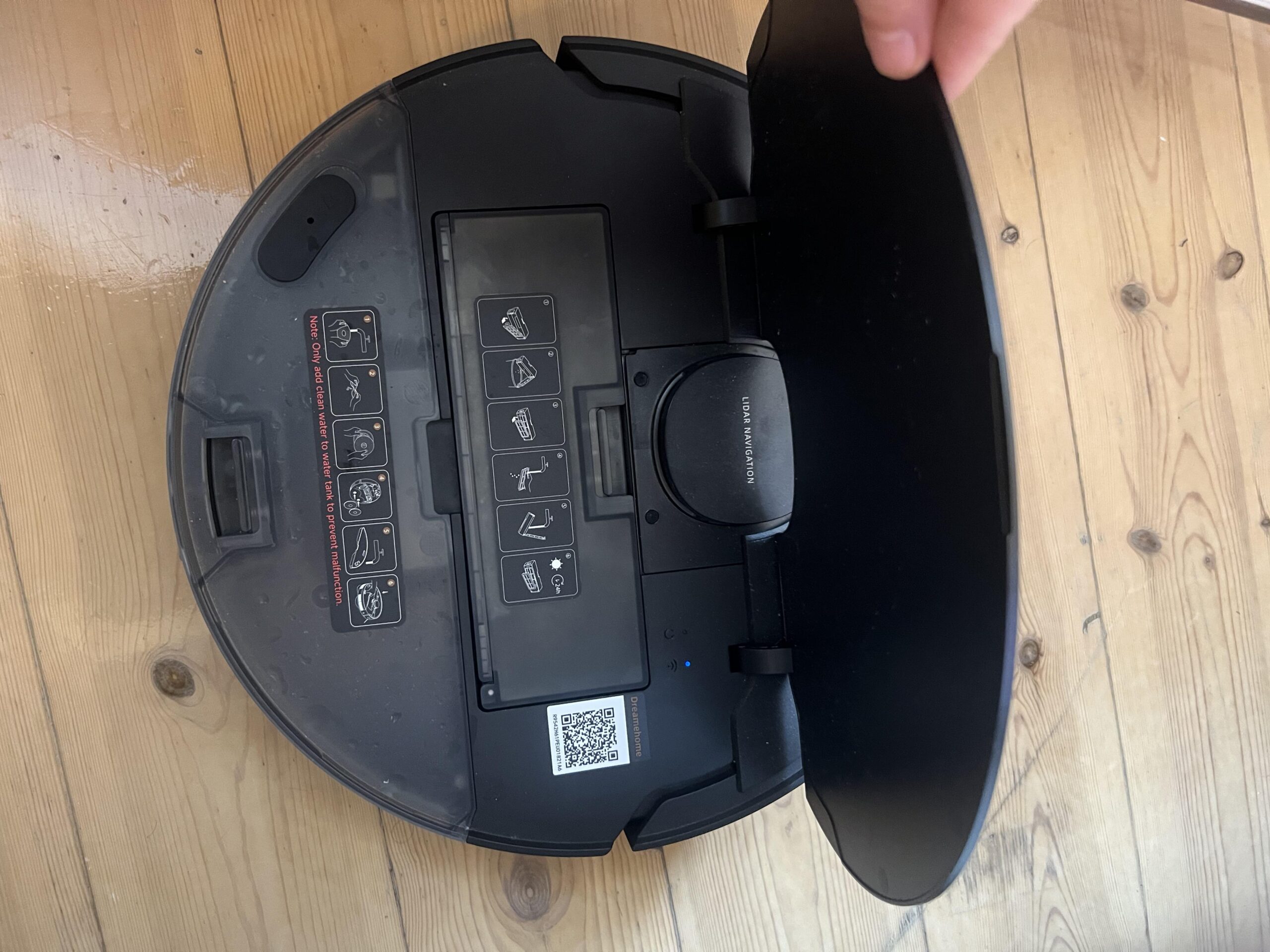
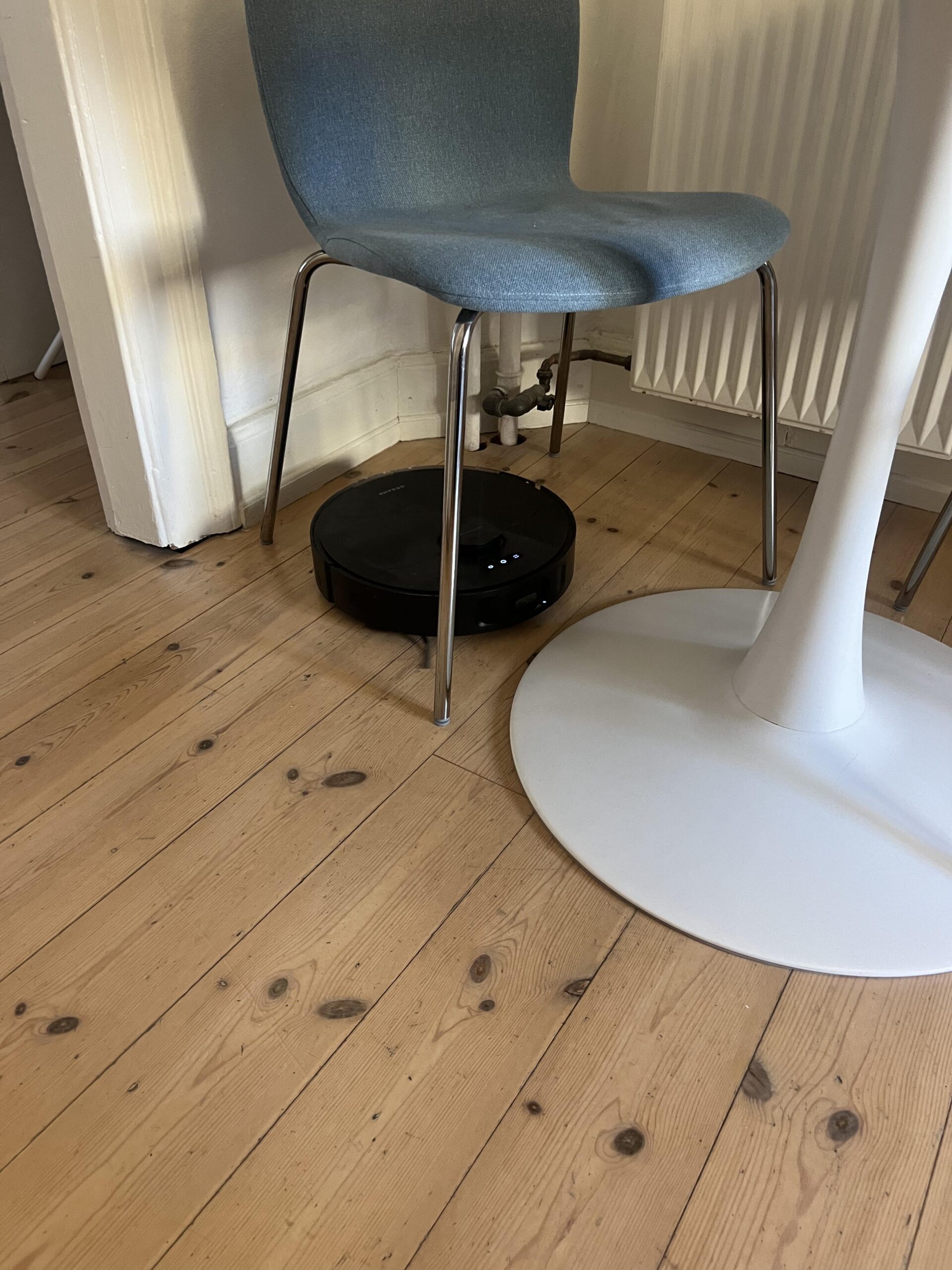
The main reason I like this robot is that it has almost eliminated normal vacuuming for me. On my wooden floors it does a good job with everyday dust, hair and crumbs, including under furniture that I would otherwise have to reach manually.
It is not perfect at the absolute edge of every wall. I still occasionally see a little dirt in places where geometry makes it difficult to reach, and it obviously cannot clean behind radiators or in spaces too narrow for its body. But those are exceptions rather than the normal result.
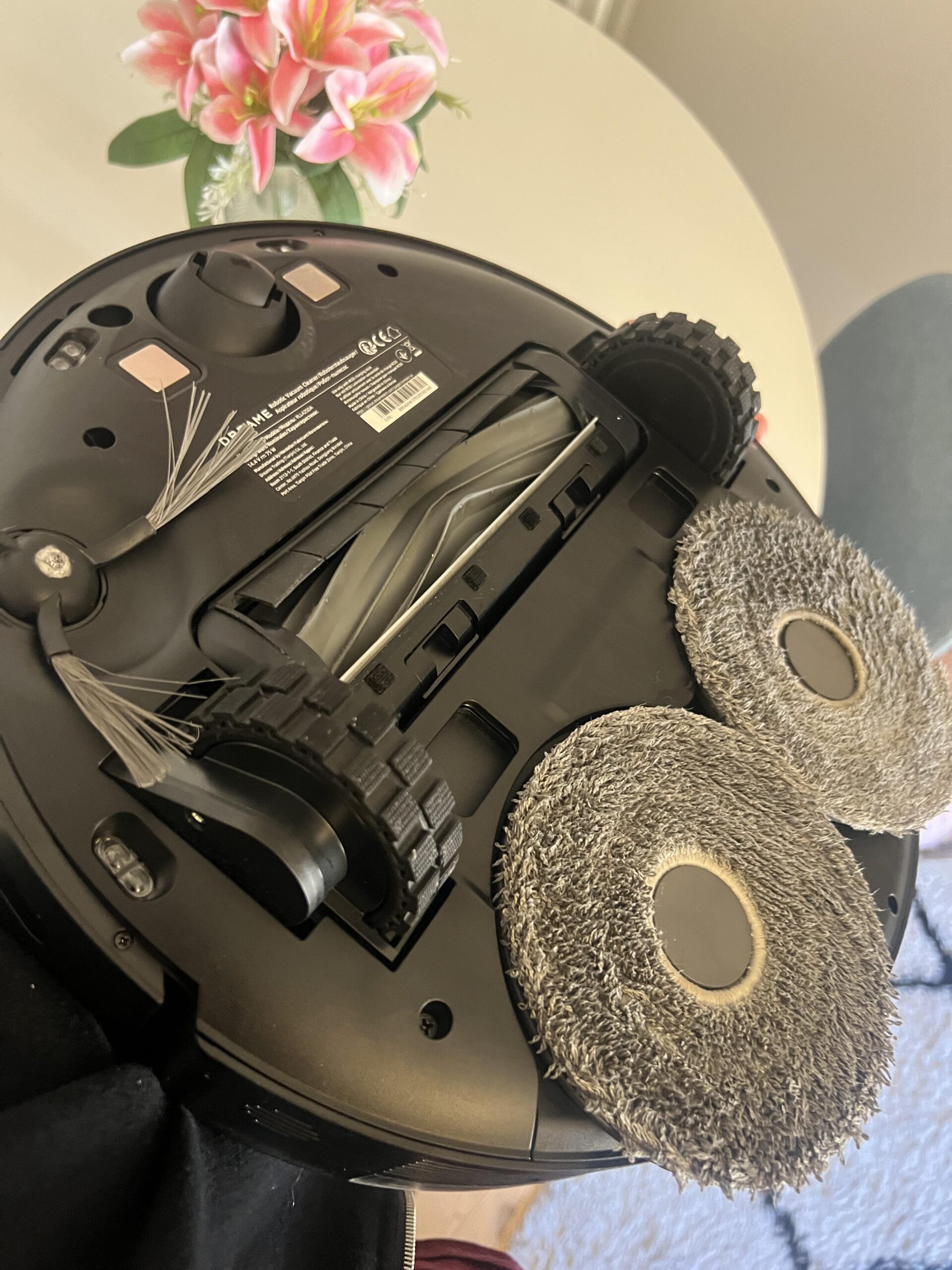
Dreame rates the L10s Pro Gen 3 at 13,000 Pa maximum suction and uses a floating rubber main brush. I did not measure suction pressure myself, so I treat 13,000 Pa as a manufacturer specification rather than a test result. Dreame’s official L10s Pro Gen 3 specifications also list a 470 ml dustbin and RoboSwing edge-cleaning behavior.
Carpet cleaning has been better than I expected
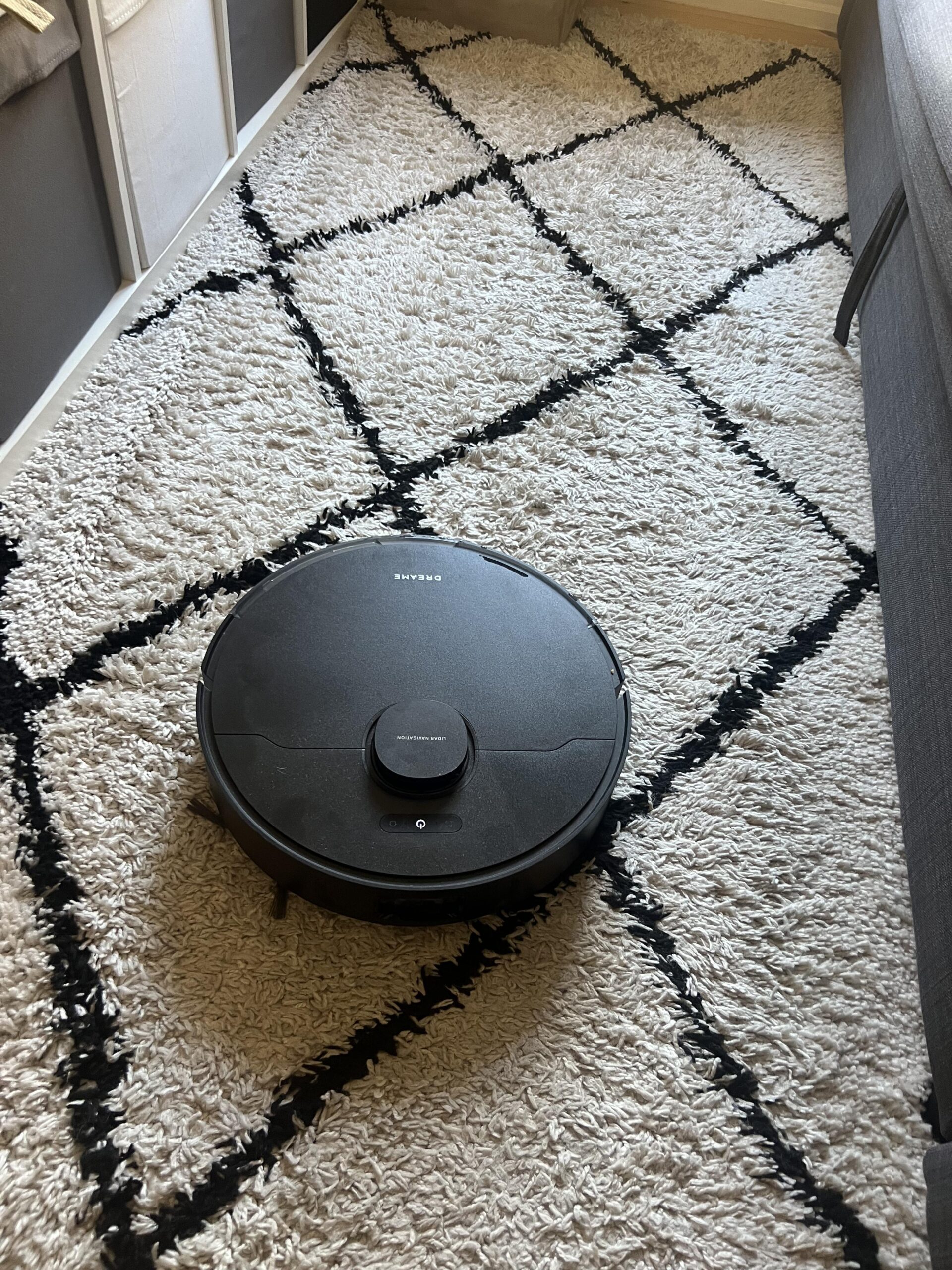
I have carpet boost enabled in the Dreamehome app. When the robot detects a rug, suction increases noticeably, and I have been happy with how clean my normal rugs look afterward.
The caveat is small, thick rugs. Mine can occasionally bunch up or catch the robot. That happens roughly once or twice a month rather than every run, but it is enough that I would not call rug handling flawless.
Dreame says the two mop pads can lift by up to 7 mm when carpet is detected, but it also advises users to create avoidance zones or remove the mops for carpet pile longer than 3 mm. That limitation matters more than the headline 7 mm figure if your home has thicker rugs. Dreame’s own carpet guidance is listed with the product specifications.
The mopping is useful, but it does not replace scrubbing
I like the mop function mainly because the alternative in my home is often not mopping at all. The L10s Pro Gen 3 keeps the floor feeling cleaner without requiring another separate cleaning session from me.
What it does not do is remove every stubborn mark. If something has dried onto the floor and needs real thumb pressure or scrubbing, the rotating pads may go over it without fully removing it. In my use, vacuuming performance is clearly stronger than mopping performance.
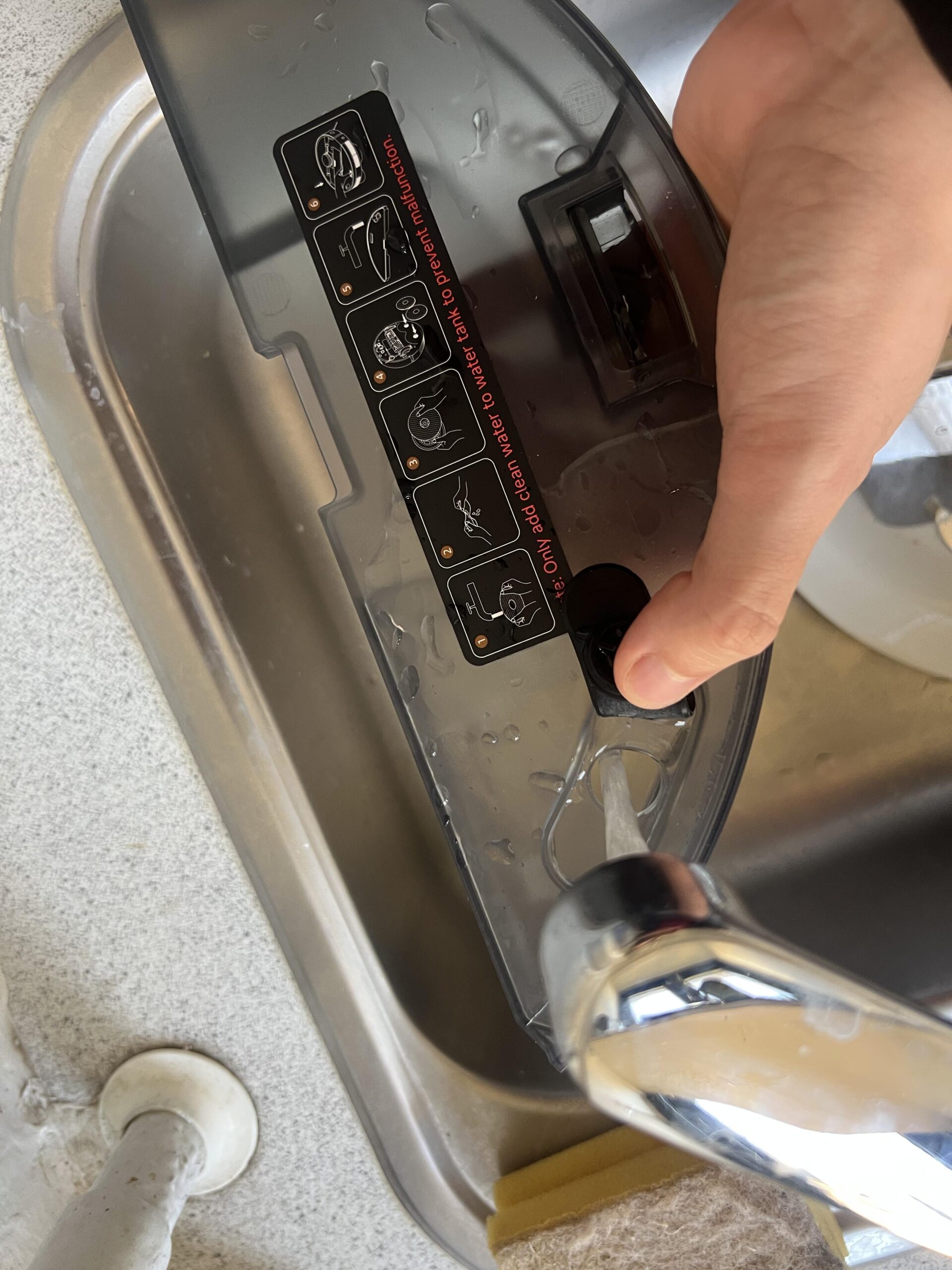
I only put clean water in the tank. This is not just my preference: the official Dreame manual for robot model RLL42SDA says to fill the tank with clean water and specifically says not to use detergent or disinfectant. It also warns against hot water because the tank can warp.
Cables are the biggest everyday annoyance
The mapping is good, but I still prepare the apartment before cleaning. I pick loose cables off the floor because the robot can grab them rather than reliably recognizing and avoiding them. I also lift curtains and move laundry baskets so it has a clear route.
This is the difference between good navigation and true object avoidance. The robot knows where the rooms and walls are very well; tiny or flexible clutter on the floor is a different challenge.
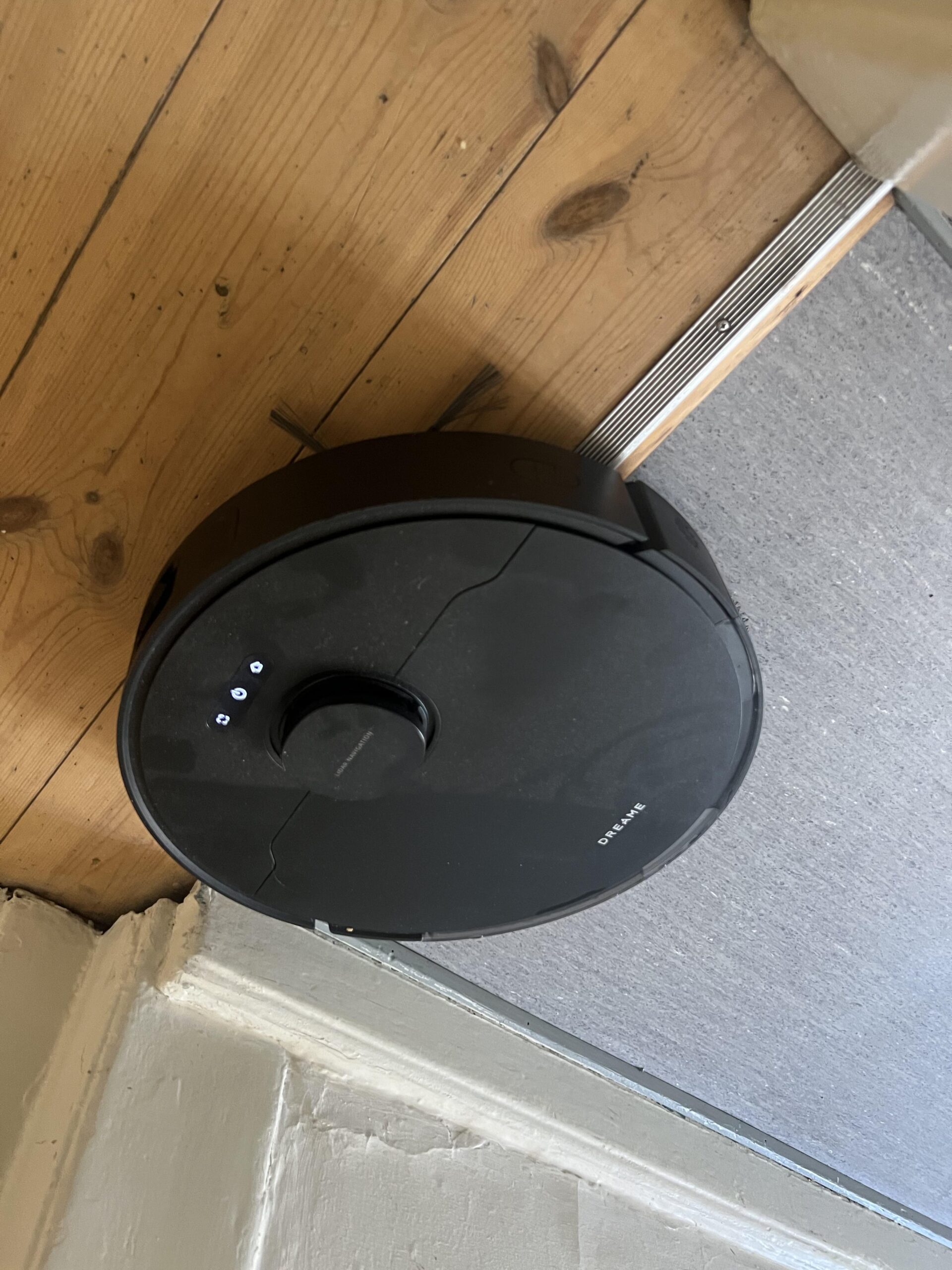
My small threshold is another example. Sometimes the robot spends a couple of minutes working its way over it before freeing itself. The same can happen with a small thick rug. So far it has normally solved the problem itself rather than needing me to rescue it.
Mapping and the Dreamehome app are excellent, if a little busy
The robot found all of my rooms and the map has been reliable. Creating zones and no-go areas is easy, and the app offers far more control than I actually use.
That abundance of options is both a strength and a weakness. I like knowing the advanced settings are there, but the interface can feel a little overwhelming if you only want to press Clean and forget about it. In practice I mostly use a small subset of the available controls.
Compared with a robot vacuum I owned about 13 years ago in the same apartment, the difference is enormous. My old robot was larger, louder, got stuck more often, could not mop, did not pick up as much dust and could not return to its charger by itself. The L10s Pro Gen 3 also follows edges much more deliberately; its turn-and-swing behavior helps it work closer to walls than my old machine did.
Battery life is a non-issue in my 64 m² apartment
A typical 45-minute whole-apartment run uses only about 25% of the battery in my setup. That is one of the easiest parts of ownership because I never have to plan around charge level.
Dreame publishes a 5,200 mAh battery and rates the robot for up to 155 minutes and 145 m² in quiet mode under its lab conditions. My use is not directly comparable with that laboratory claim because suction level, carpet boost and room layout all affect runtime, but the important real-world result for me is that one normal clean leaves a large battery reserve. See Dreame’s published battery and runtime specifications.
Maintenance is easy — but not fully automatic
My normal maintenance routine is simple. I refill the water roughly every three days, empty the dustbin about once a week and wipe dust from the navigation sensor/lens when it needs it. None of those jobs is difficult.
After 3+ months, nothing has broken. The mop pads and brushes are starting to show normal use, and I have already bought a replacement set because the app tracks consumable life and is starting to tell me replacement time is approaching.
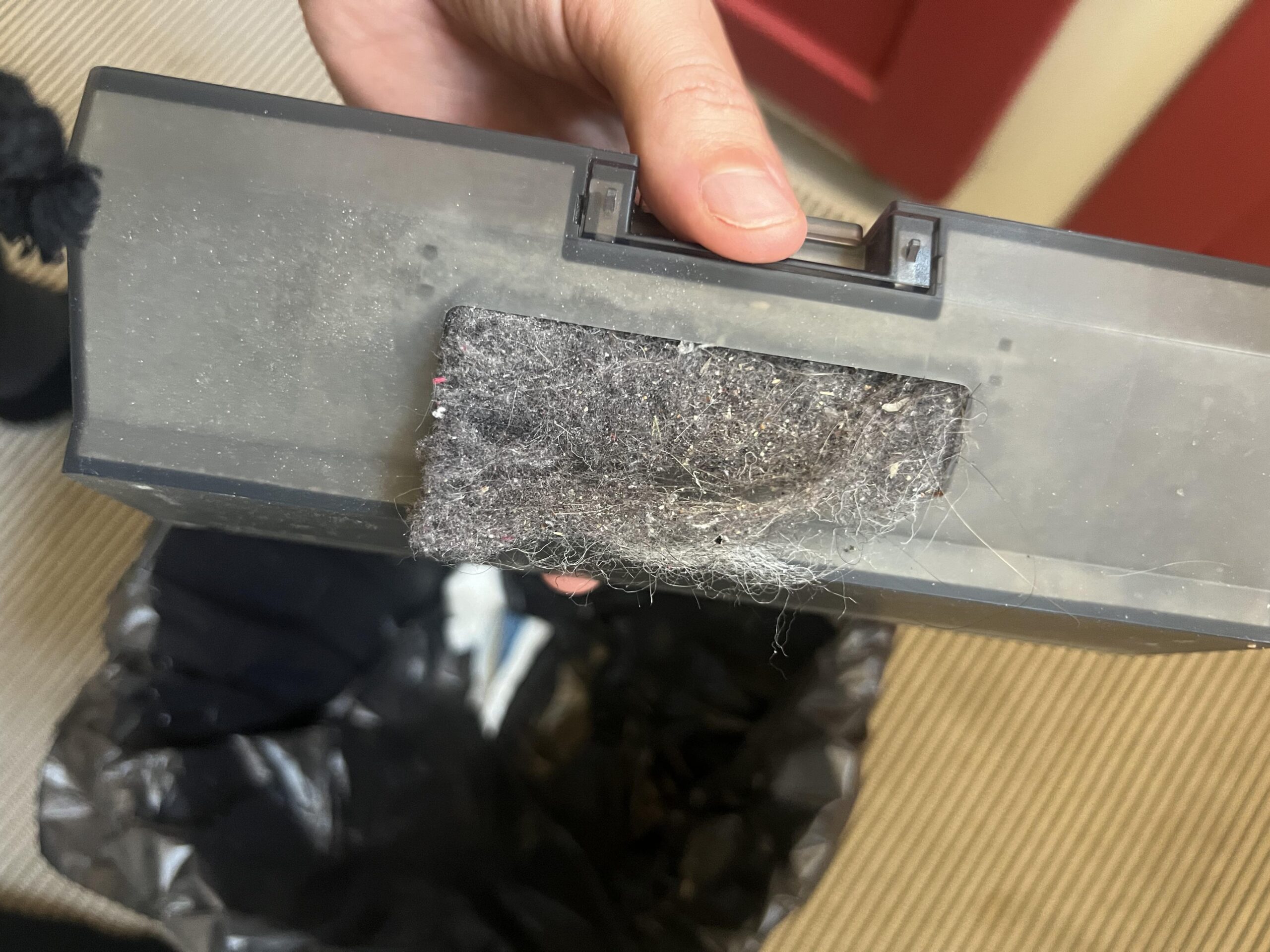
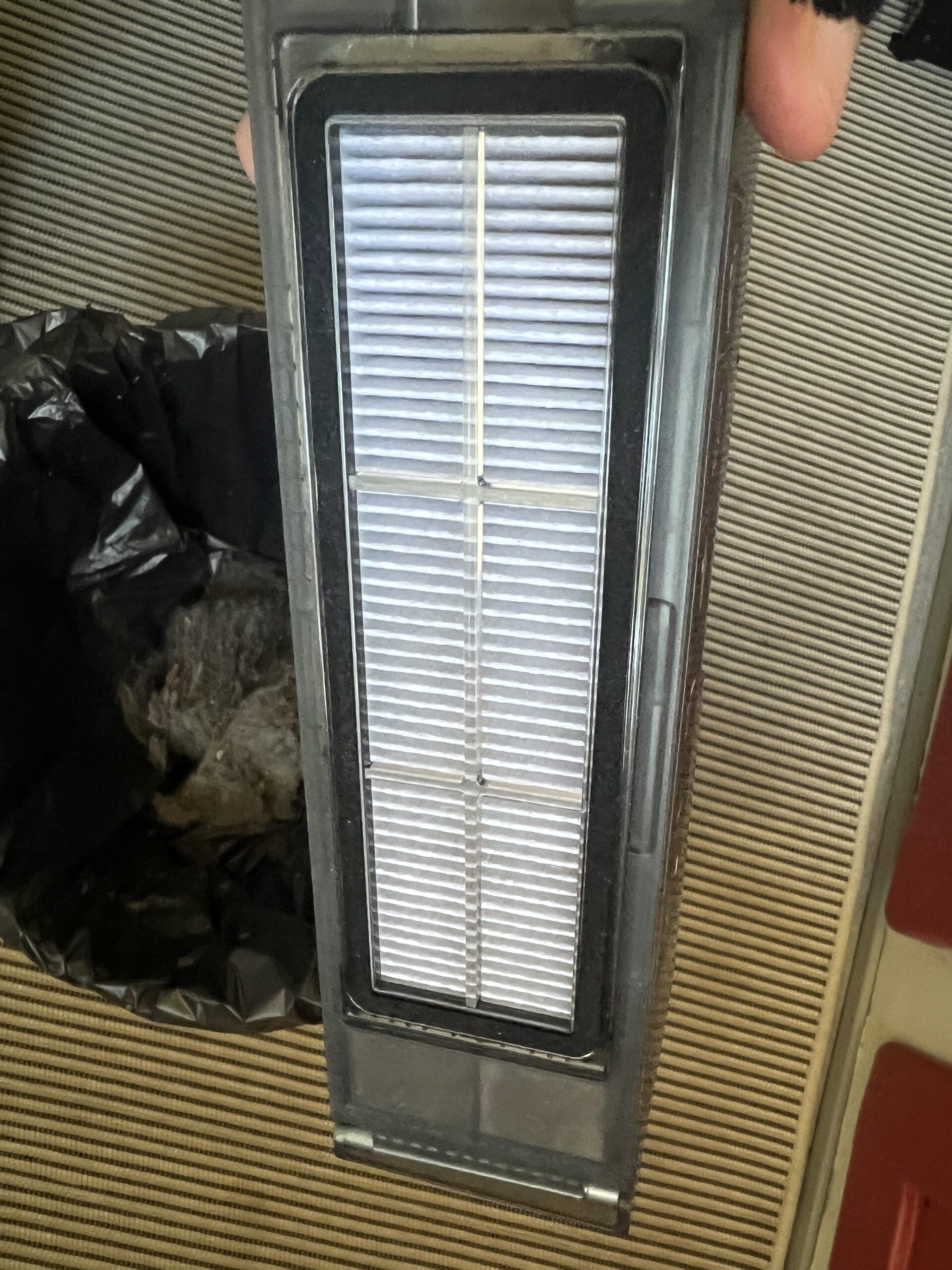
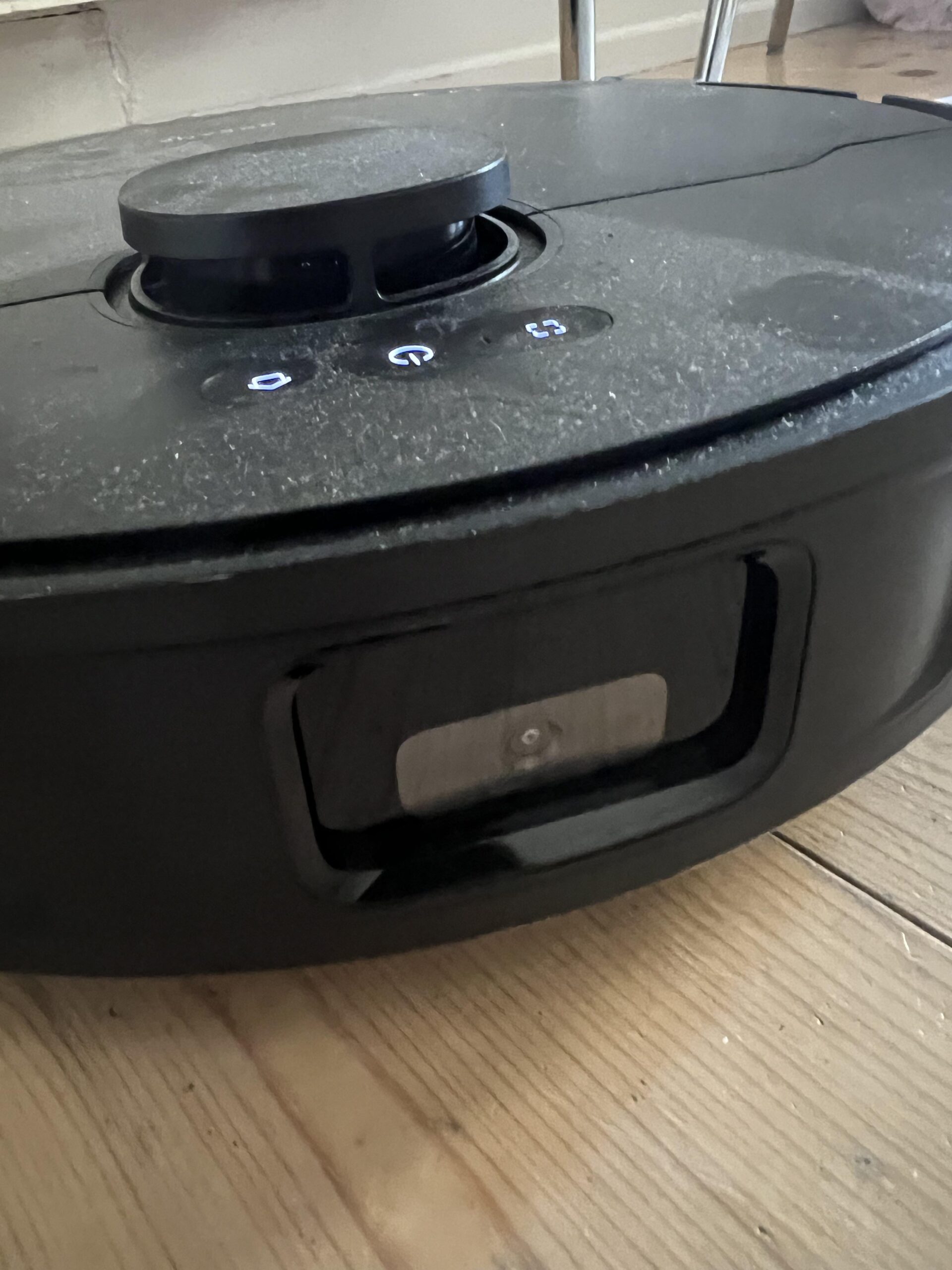
This is the main feature I would consider upgrading next time. I like the idea of a dock that automatically empties dust and handles more of the mop maintenance. Whether that convenience is worth paying much more for is a separate question, because the actual weekly work on this machine is already fairly small.
Key specifications — and what they mean in practice
| Specification | Dreame’s published figure | What it means in my use |
|---|---|---|
| Maximum suction | 13,000 Pa | I did not measure Pa, but pickup on wood floors and rugs has been strong. |
| Battery | 5,200 mAh | My ~45-minute clean uses around 25%. |
| Published runtime | Up to 155 min / 145 m² in quiet mode | Far more headroom than I need in a 64 m² apartment. |
| Dustbin | 470 ml | I empty mine roughly weekly. |
| Water tank | 300 ml | I refill roughly every three days. |
| Mops | Two rotating pads | Useful maintenance mopping, but not a substitute for hand-scrubbing stubborn marks. |
| Mop lift | Up to 7 mm | Normal rugs work well; Dreame itself cautions about higher pile. |
| Robot size | 350 × 350 × 97 mm | Low enough to reach under some furniture, but not every narrow space. |
| Robot weight | 3.74 kg | I rarely need to move it manually. |
Source: Dreame’s current L10s Pro Gen 3 product page. Manufacturer lab figures can differ from a real home, which is why I separate them from my own measured/observed use above.
The main alternative is paying more for a better dock
If I replaced this robot tomorrow, the biggest upgrade I would look at would not necessarily be more suction. It would be a dock that removes more maintenance.
| Model | What changes | Who it makes more sense for |
|---|---|---|
| Dreame L10s Pro Gen 3 | 13,000 Pa, dual rotating mops, small charging dock; manual dust emptying and water refill. | Smaller homes where value and a compact dock matter more than full automation. |
| Dreame D20 Pro Plus | Also rated at 13,000 Pa, but adds a 5 L self-emptying dust bag; its mopping hardware is a simpler detachable mop pad. | People who care more about automatic dust emptying than dual spinning mops. |
| Dreame L10s Ultra Gen 2 | Full-size station with automatic emptying, mop washing/drying, water refill and detergent dosing; Dreame rates suction at 10,000 Pa. | People willing to pay and give up more floor space for much less hands-on maintenance. |
I have not personally tested those two alternatives, so this is a feature comparison rather than a performance verdict. The specifications come from Dreame’s current pages for the D20 Pro Plus and L10s Ultra Gen 2.
Why I rate the Dreame L10s Pro Gen 3 4.4/5
My overall rating is 4.4/5. I use the public Jon Tests rating method: category-relevant criteria total 100%, each is scored from 1.0 to 5.0, and the weighted result is rounded to one decimal place.
| Criterion | Weight | Score | Why |
|---|---|---|---|
| Vacuuming performance | 25% | 4.7/5 | It handles nearly all of my normal dust, hair and crumbs, leaving only a few awkward edges and unreachable spaces. |
| Mopping | 15% | 4.0/5 | Useful enough that my floors get mopped far more often, but stubborn dried marks still need manual pressure. |
| Navigation & app | 15% | 4.6/5 | Excellent room mapping, zones and no-go areas; the app is powerful but can feel busy. |
| Obstacles & thresholds | 10% | 3.5/5 | Loose cables need floor prep, while my threshold and thicker small rugs can occasionally slow it down. |
| Battery & charging | 10% | 4.9/5 | A normal ~45-minute run uses around 25% for me, and it returns to the charger automatically. |
| Maintenance & automation | 10% | 4.2/5 | The manual work is easy, but self-emptying and automatic water handling would make it genuinely hands-off. |
| Carpet performance | 5% | 4.5/5 | Carpet boost works very well on my normal rugs; small thick rugs are the exception. |
| Value | 10% | 4.8/5 | At the €178.60 (about US$205 at the June 2026 exchange rate) I paid, the amount of daily cleaning it removes from my routine is excellent. |
| Weighted rating | 4.4/5 | 4.43 before rounding. | |
Who should buy it?
- Good fit: smaller apartments and homes with mostly hard floors.
- Good fit: people who want vacuuming plus useful maintenance mopping without paying for a huge station.
- Good fit: households with ordinary rugs that can use carpet boost.
- Look elsewhere: homes with lots of high thresholds, thick loose rugs or floor clutter.
- Look elsewhere: anyone who wants the dock to empty dust, refill water and wash/dry mops automatically.
- Pet owners: I have tested normal human hair, but I do not have pets, so I cannot personally judge heavy cat- or dog-hair performance.
Would I buy it again?
Yes. At around the €178.60 (about US$205 at the June 2026 exchange rate) I paid, I would buy it again. It is relatively inexpensive for how much routine cleaning it removes from my week, and I like having vacuuming and mopping in one device.
The one thing I would seriously consider next time is paying more for self-emptying. That is a convenience upgrade rather than evidence that this robot cleans badly. My current maintenance is easy; I would simply prefer even less of it.
Check the current Dreame L10s Pro Gen 3 price on Amazon (paid link) →
Frequently Asked Questions
Does the Dreame L10s Pro Gen 3 empty itself?
No. My L10s Pro Gen 3 returns to its small charging dock automatically, but I still empty the onboard dustbin myself. In my apartment I normally do that about once a week.
Can you put floor cleaner or detergent in the water tank?
Dreame’s RLL42SDA manual says to fill the tank with clean water and specifically says not to use detergent or disinfectant. I therefore use water only.
How often do I refill the water?
Roughly every three days in my normal near-daily/every-other-day routine. Your result will depend on water-flow settings and floor area.
How much battery does it use in a 64 m² apartment?
My normal whole-apartment clean takes about 45 minutes and uses around 25% of the battery. That is my real-world result, not a guaranteed figure for every floor plan or suction setting.
Does it work well on rugs?
On my normal rugs, yes. Carpet boost raises suction and I am happy with the result. My smaller thick rugs can occasionally catch or slow the robot, and Dreame advises extra caution with higher-pile carpet when the mops are installed.
Sources and review method
- My June 20, 2026 purchase, 3+ months of near-daily/every-other-day use, and the original photos shown throughout this review.
- Dreame — L10s Pro Gen 3 official product page for current specifications and carpet guidance.
- Dreame — RLL42SDA user manual for water-tank, detergent and maintenance guidance.
- Dreame — D20 Pro Plus and Dreame — L10s Ultra Gen 2 for the alternative-feature comparison.
- Jon Tests — How I Test for the public rating methodology.