Garnier Ambre Solaire After Sun Review: My Croatia Test
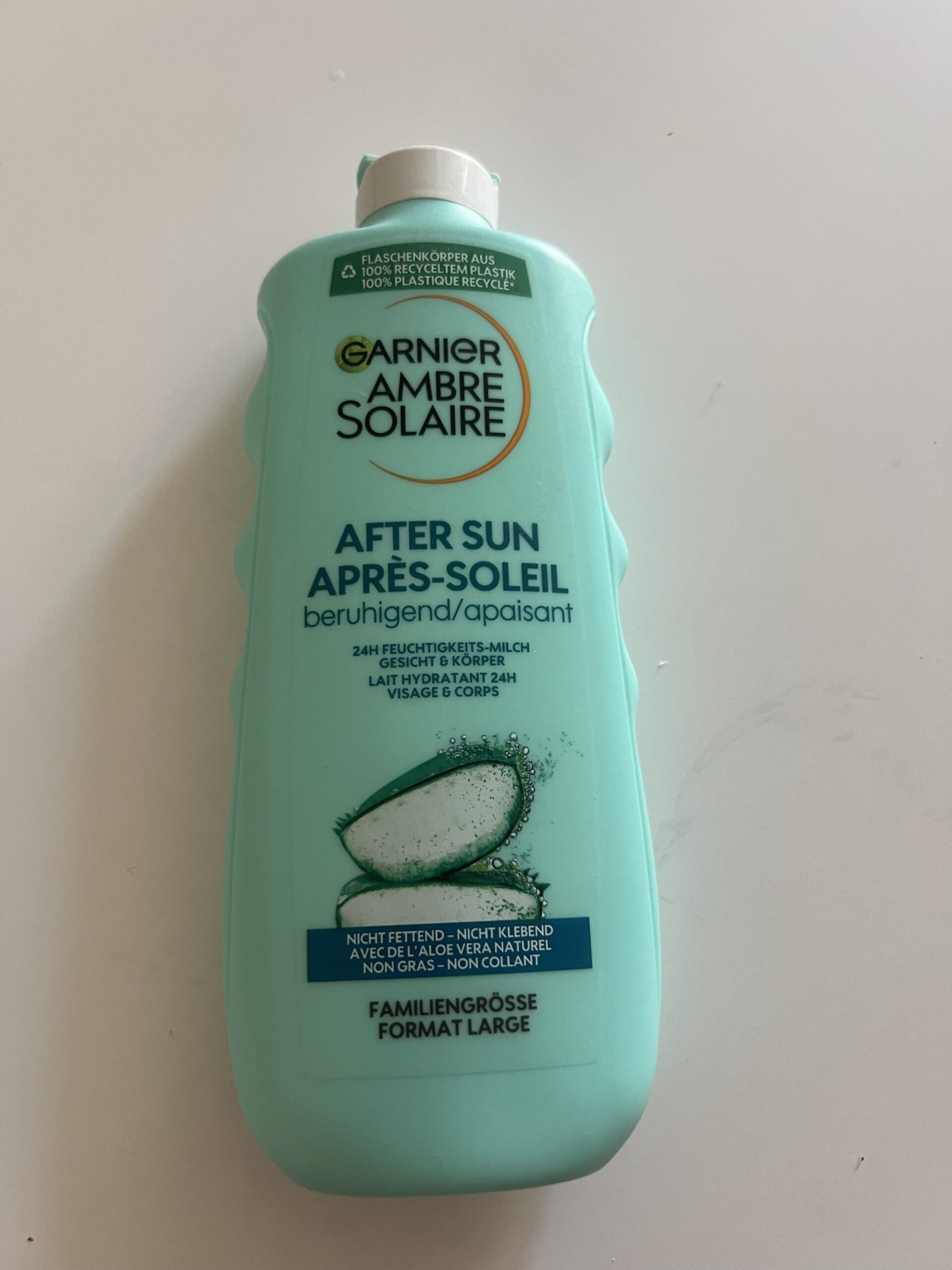
My Garnier Ambre Solaire After Sun 400 ml review: 4.7/5 after using it on sunburned skin. I found it cooling, soothing, moisturising and easy to apply, and I would buy it again. I bought one 400 ml bottle for €6.95 on 30 June 2026. The main reason was practical: I had experienced an uncomfortable sunburn around a trip to Croatia and wanted something convenient to make my skin feel better.
For a couple of days when my skin was sore, I used the lotion approximately three times a day, as I remember it. It gave me a pleasant cooling and calming sensation and seemed to ease the discomfort a little. It also moisturised my skin well, spread easily and absorbed quickly. I liked the scent and didn’t experience irritation or other problems during my limited use. I have since kept the bottle for occasional after-sun care rather than using it as a daily body lotion.
My key distinction: This lotion helped my sunburn feel more comfortable. I did not establish that it healed damaged skin faster, shortened my sunburn or reversed UV damage. After-sun lotion is a moisturiser for comfort; it is not sunscreen and is not a substitute for appropriate care of serious burns.
Affiliate disclosure: This independent review includes a user-supplied paid Amazon product link. As an Amazon Associate, JonTests may earn a commission from qualifying purchases, without extra cost to you. I purchased my bottle myself. My owner-approved 4.7/5 rating is a weighted personal editorial judgment, based on my own observations; it is neither a clinical test nor an Amazon customer rating. Read the full affiliate disclosure.
I paid: €6.95 for one 400 ml bottle, 30 June 2026
Use: Sporadic after-sun care; about three times daily for a few days when burned
Check current price on Amazon →Paid link · confirm this is the 400 ml after-sun moisturising milk, not a sunscreen, gel or spray. I couldn’t independently inspect the destination of the supplied shortened link.
My verdict: 4.7/5 — a lotion I’d keep on hand
What stood out: It felt cooling and soothing on my sunburned skin. I perceived some relief from the soreness, and it left my skin feeling well moisturised.
Best for: People wanting a convenient, easy-spreading aloe-vera-containing moisturiser after a hot day, beach outing or outdoor activity, particularly for mild sunburn discomfort.
What it cannot do: Prevent future sunburn, replace sunscreen, reverse UV damage or guarantee faster recovery. I don’t know how much of my improvement would have occurred naturally over the same days.
Would I repurchase? Yes. I was satisfied with the product and liked its convenience compared with scooping fresh gel from an aloe plant.
What I liked
- Cooling and calming feel on uncomfortable sun-exposed skin
- Seemed to ease my sunburn soreness a little
- Good perceived moisturising effect
- Quick absorption and easy spreading
- Pleasant enough fragrance and no irritation noticed
- Easier to keep available and apply than cutting fresh aloe leaves
Limitations
- Only a few days of particularly intensive use; no formal comparison
- Not a cure for sunburn and does not provide SPF sun protection
- The 24-hour hydration claim was not independently measured by me
- Contains fragrance, which may not suit highly sensitive skin
- My experience cannot establish whether aloe or another ingredient caused the perceived soothing effect
Why I bought Garnier After Sun in June 2026
Before buying this bottle, I already had positive experience using fresh aloe vera straight from a plant on sun-exposed skin. So when I looked for a ready-made product after getting sunburned around my trip to Croatia, the aloe vera on the Garnier bottle helped make the choice.
On 30 June 2026, I paid €6.95 for one large 400 ml bottle. I didn’t buy it as a daily moisturiser; I specifically wanted something to reach for when I felt burned after spending too long in the sun. That included the Croatia holiday and potentially future beach outings or pickleball sessions in summer.
This distinction matters. A product can be worth owning even if you only use it occasionally, but my testing was concentrated on a few uncomfortable days rather than months of daily application.
Did it help my sunburn feel less painful?
A little, yes—in my personal experience. The cooling sensation was noticeable, and the lotion felt calming when my skin was sore. I also liked that my skin felt less dry. During that period I remember applying it approximately three times a day for a couple of days.
What I cannot tell you is how much it reduced pain, whether redness faded faster, or whether I would have recovered at the same speed without it. Sunburn typically improves naturally over time, and I did not run a controlled test with untreated skin or an alternative lotion. So my conclusion is about perceived comfort and symptom relief, not a medical treatment effect.
That narrower conclusion still matters to me: if I get an ordinary mild sunburn again, this is the type of lotion I’d want in the cupboard for comfort. I would also take basic sunburn care seriously rather than depending on a cosmetic product alone.
Texture, absorption and scent after application
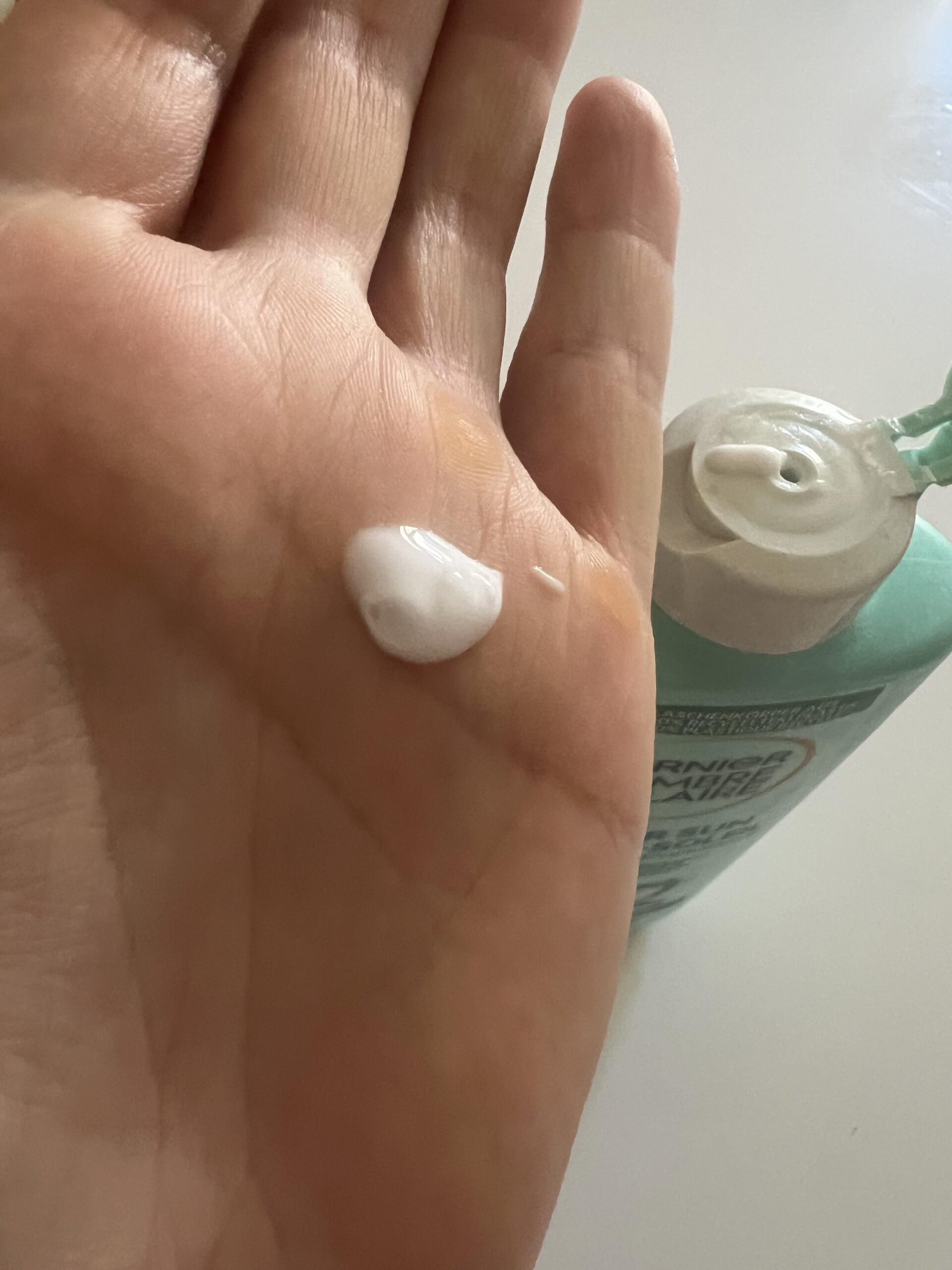
The lotion has a familiar white, creamy milk consistency, which you can see in my original photo below. I found it easy to spread and that it absorbed quickly. For me, the skin feel was pleasant, and I didn’t notice stinging or irritation during my use.
The scent was fine too. I wouldn’t make a broader claim that everyone with sensitive or sunburned skin will tolerate it—Garnier lists fragrance among the ingredients. When skin is exceptionally reactive, an unscented moisturiser may be a better fit even if a fragranced lotion works well for me.
Garnier lotion versus fresh aloe vera from the plant
This is the comparison that shaped my choice most. I’d previously used an aloe vera plant when dealing with sunburned skin. I liked that experience, but getting aloe meant having the plant, opening a leaf and handling the fresh gel.
Garnier was simpler for me. I could open the bottle, dispense the amount I wanted and spread it easily without having to cut a leaf. It was more convenient to buy and keep ready for a holiday or summer sports season. I haven’t tested whether the lotion works better than fresh aloe on identical burns, so I’m not declaring a winner for healing or medical efficacy.
There’s also an important ingredient distinction: Garnier’s lotion is a formulated moisturiser containing aloe, not bottled pure aloe plant gel. The ingredient list for the photographed bottle includes water, mineral oil (paraffinum liquidum), glycerin, shea butter, aloe barbadensis leaf juice powder and fragrance, among other cosmetic ingredients. Its spreading, texture and moisturising feel may reflect the full formula, not aloe by itself. Ingredient lists can change, so check the specific bottle you purchase.
| Practical question | Garnier After Sun 400 ml | Fresh aloe leaf (my earlier experience) |
|---|---|---|
| How quickly can I use it? | Open the flip-top bottle and dispense | Need a plant, leaf and preparation |
| How easy is it to spread? | I found it easy and quick to spread over skin | Fresh gel was less convenient to prepare and apply |
| What is actually on the skin? | A moisturising lotion with aloe and other ingredients, including fragrance | Fresh gel from inside the leaf, with no standardised cosmetic formulation |
| Which relieved sunburn more? | I felt cooling and a little pain relief | I recall good experiences, but did not run a matched comparison |
| My practical choice | Garnier for convenience and easy application | Fresh aloe is familiar, but less convenient to access |
What the bottle and Garnier actually claim
My turquoise bottle is labelled Garnier Ambre Solaire After Sun, 24h Moisturising Milk for face and body, in the 400 ml family size. The front identifies soothing after-sun care with aloe vera and a non-greasy, non-sticky formula. The manufacturer’s German product page and Garnier UK 400 ml page describe moisturising, cooling and soothing after-sun skin care.
Here is how I separate the manufacturer description from my real-world experience:
| Detail | Manufacturer / bottle | What I personally established |
|---|---|---|
| Amount | 400 ml after-sun moisturising milk | One 400 ml bottle purchased |
| Aloe vera | Included in the formula | Present in the ingredient list; did not isolate or test the aloe ingredient |
| Hydration | Up to 24 hours moisturising claim | My skin felt well moisturised; I did not time 24-hour hydration |
| Cooling / soothing | Designed to refresh sun-exposed skin | I personally felt cooling, comfort and a little pain relief |
| Absorption / feel | Non-greasy, non-sticky and fast-absorbing claims | I found it easy to spread and quick to absorb |
| Fragrance | Fragrance appears on ingredient list | I liked the smell and experienced no irritation |
| Sun protection | After-sun moisturiser; no SPF protection advertised on this bottle | I did not use it as sunscreen or measure UV protection |
There are other products in the Ambre Solaire range, including sun creams, gels and sprays, and formulas or packaging can vary by region. Check that your retailer’s listing says after sun, moisturising milk, 400 ml. The exact product I photographed is not an SPF sunscreen.
The bottle and how the cap dispenses the milk
The family-size turquoise bottle has a flip-top cap and a small dispensing opening. I found it straightforward to get the lotion out and spread it over my skin; I didn’t notice application problems. I have not measured how much comes out per squeeze or how many full-body applications a bottle provides.
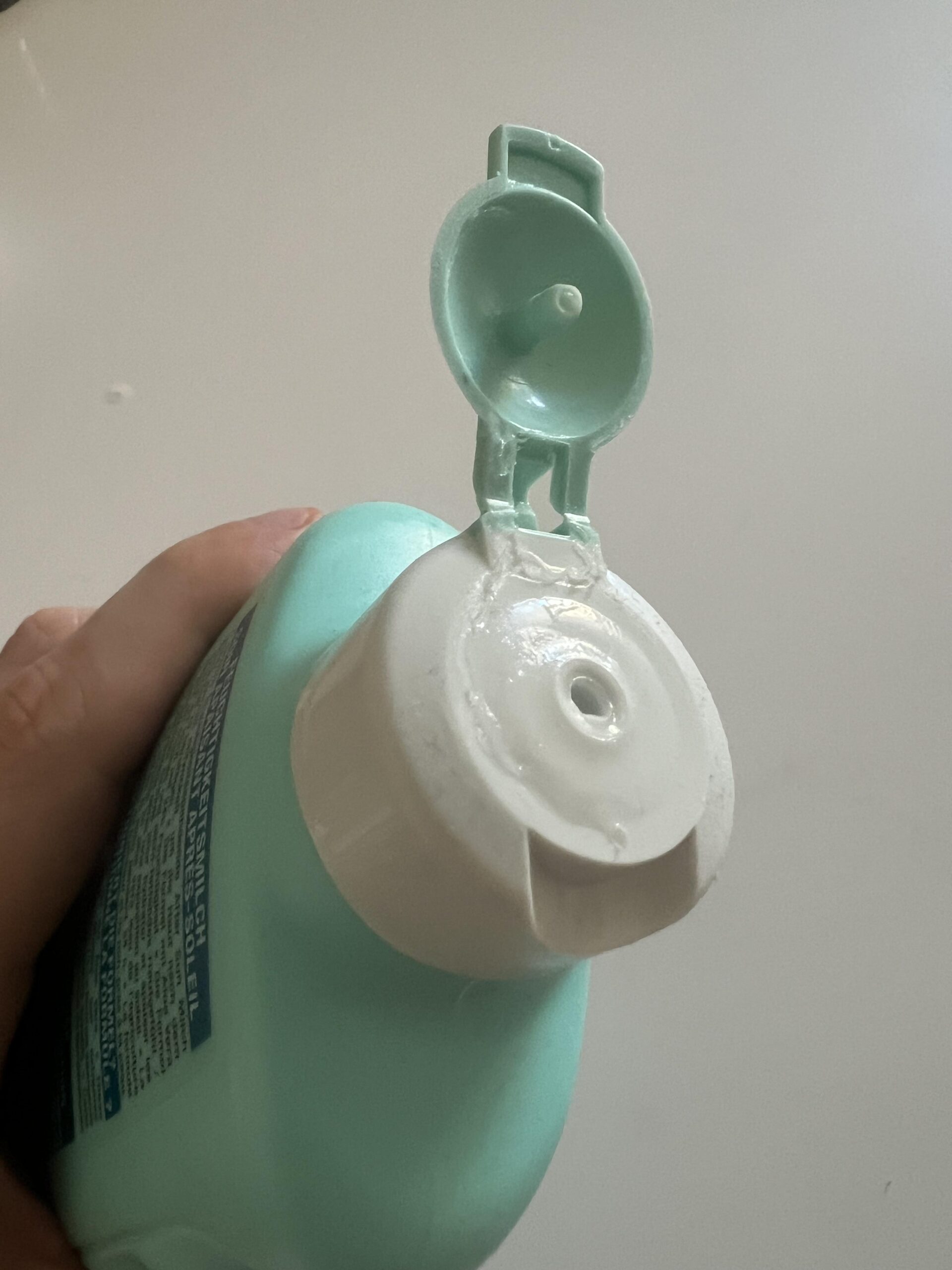
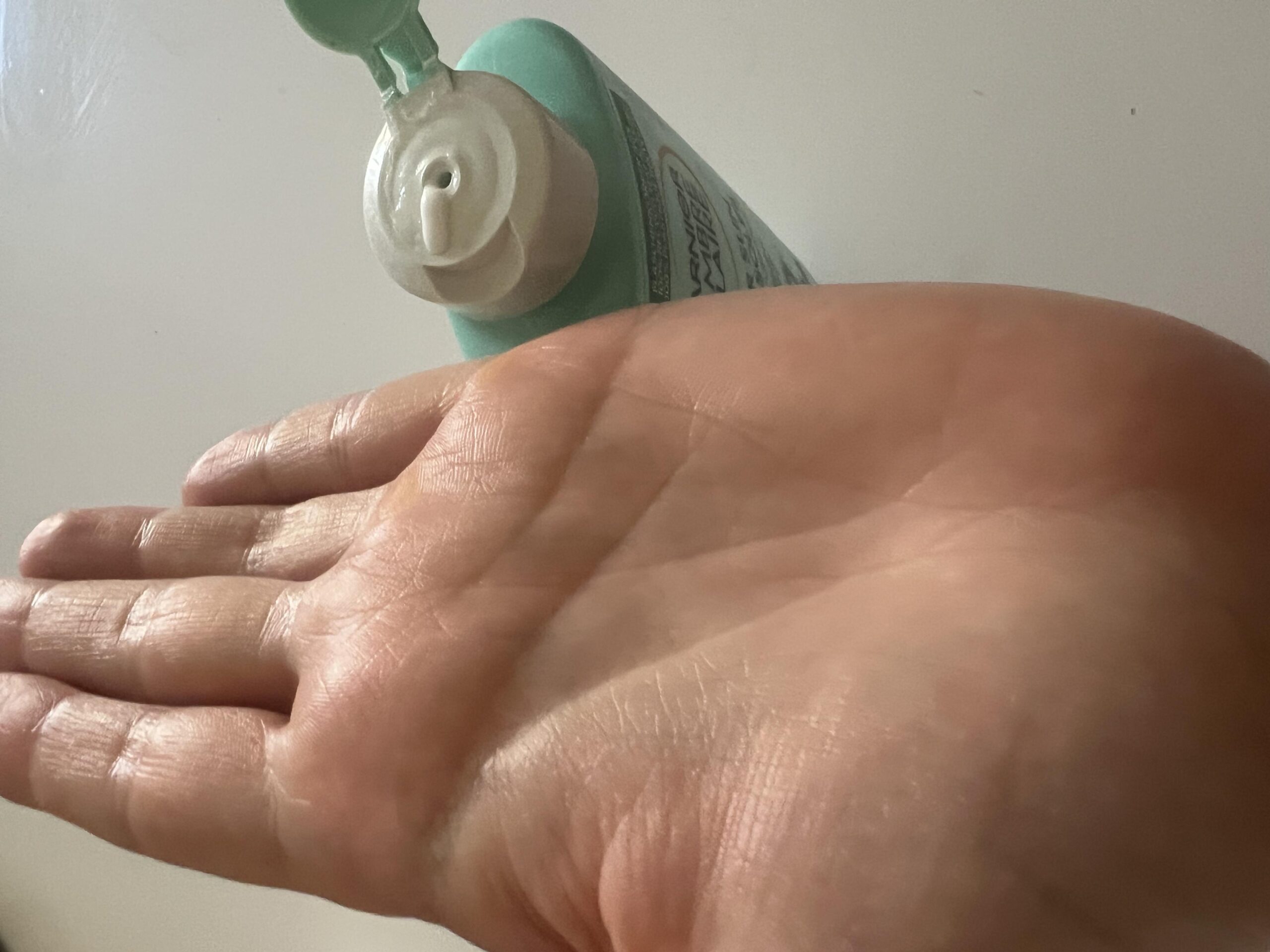
What I paid: €6.95 for 400 ml
My historical purchase price was €6.95 on 30 June 2026, equivalent to approximately €1.74 per 100 ml. That is a simple calculation from my purchase, not a claimed current Amazon price or a promotional offer.
I used mine as an occasional comfort product rather than using a large amount every day. For me, the convenience of having a ready-to-use bottle, instead of relying on having fresh aloe leaves, was part of the value. I cannot say how long it lasts under daily use because I have not tracked the amount consumed.
Important: what to do for sunburn, and when lotion isn’t enough
My personal use of Garnier—roughly three times a day for a few days—was simply how often I felt like using it for comfort. It isn’t a clinically tested dosing schedule, and I wouldn’t claim everyone needs that frequency. If a product stings or worsens irritation, stop using it and choose gentler care or speak with a healthcare professional.
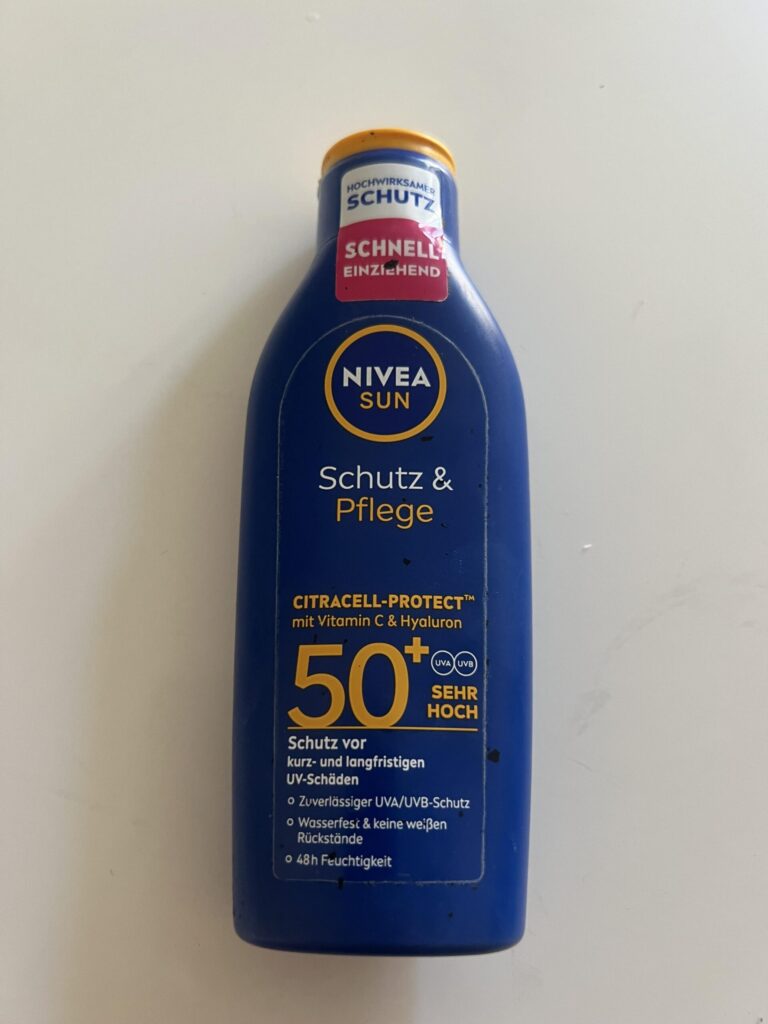
And remember: aftersun does not make sunscreen optional. The best strategy is still to prevent sunburn with shade, suitable clothing and correctly used broad-spectrum SPF protection. I have also written a first-hand review of NIVEA SUN Protection & Care SPF 50+ sunscreen, which serves a separate preventive purpose.
Would I buy Garnier Ambre Solaire After Sun again?
Yes. I give it 4.7/5 based on my summer use. It did what I personally wanted from an after-sun lotion: it felt cooling and comfortable on sore skin, gave me moisture, went on easily, absorbed quickly, smelled fine and caused no problems that I noticed. At my €6.95 purchase price, I am happy to keep a bottle available for summers when I may need extra comfort after sun exposure.
My verdict is based on short-term, occasional use, so I won’t overstate its ability to treat sunburn or compare it to a clinical burn product. If your main priority is a simple fragrance-free product for very sensitive skin, that may be a better choice. For me, however, Garnier offered the convenience I wanted over fresh aloe from the plant, and I would recommend considering it for mild after-sun skin comfort.
Frequently asked questions
Is Garnier After Sun 400 ml the same as sunscreen?
No. This is an after-sun moisturiser, not an SPF sunscreen. Use appropriate sun protection before and during exposure.
Does it help with sunburn pain?
I personally felt a little relief from discomfort after applying it to sunburned skin. That doesn’t prove faster healing or a medically significant pain-reduction effect. Cool skin gently and seek help for concerning symptoms.
Is it made from pure aloe vera?
No. It is a multi-ingredient moisturising milk that includes an aloe-derived ingredient, not a bottle of pure plant gel. My photographed bottle’s ingredient list contains aloe vera leaf juice powder as well as moisturising and fragrance ingredients.
Is it greasy or slow to absorb?
Garnier advertises a non-greasy, non-sticky texture, and I found the lotion quick to absorb and comfortable. I didn’t conduct a measured residue test.
Can I use it after pickleball or a beach day?
It is intended for moisturising after sun exposure. I bought it with summer outdoor activities in mind, although my most substantial personal test was after sunburn around my Croatia trip.
Is €6.95 the current price?
No. That’s what I paid on 30 June 2026 for a 400 ml bottle, around €1.74/100 ml. Current prices and regional listings may differ.
Sources and testing transparency
- Firsthand evidence: My own 400 ml bottle bought 30 June 2026 for €6.95, short-term applications after Croatia sunburn, first-person texture and comfort observations, and original product photographs.
- Official 400 ml product claims: Garnier UK, Aftersun Soothing Aloe Vera Lotion 400 ml and Garnier Germany, After Sun 24h Feuchtigkeits-Milch.
- General sunburn self-care and warning signs: NHS: Sunburn and American Academy of Dermatology: How to treat a sunburn.
- Review standards: How I test products.
Editorial rating: The owner approved the first-hand 4.7/5 score. It is based on the five disclosed, category-specific criteria above and the 4.68 weighted result. Neither the rating nor the product claims demonstrate measurable skin healing, UV-damage reversal or clinical pain-treatment efficacy.