NIVEA Q10 Power SPF 30 Day Cream Review: My 6–8 Weeks
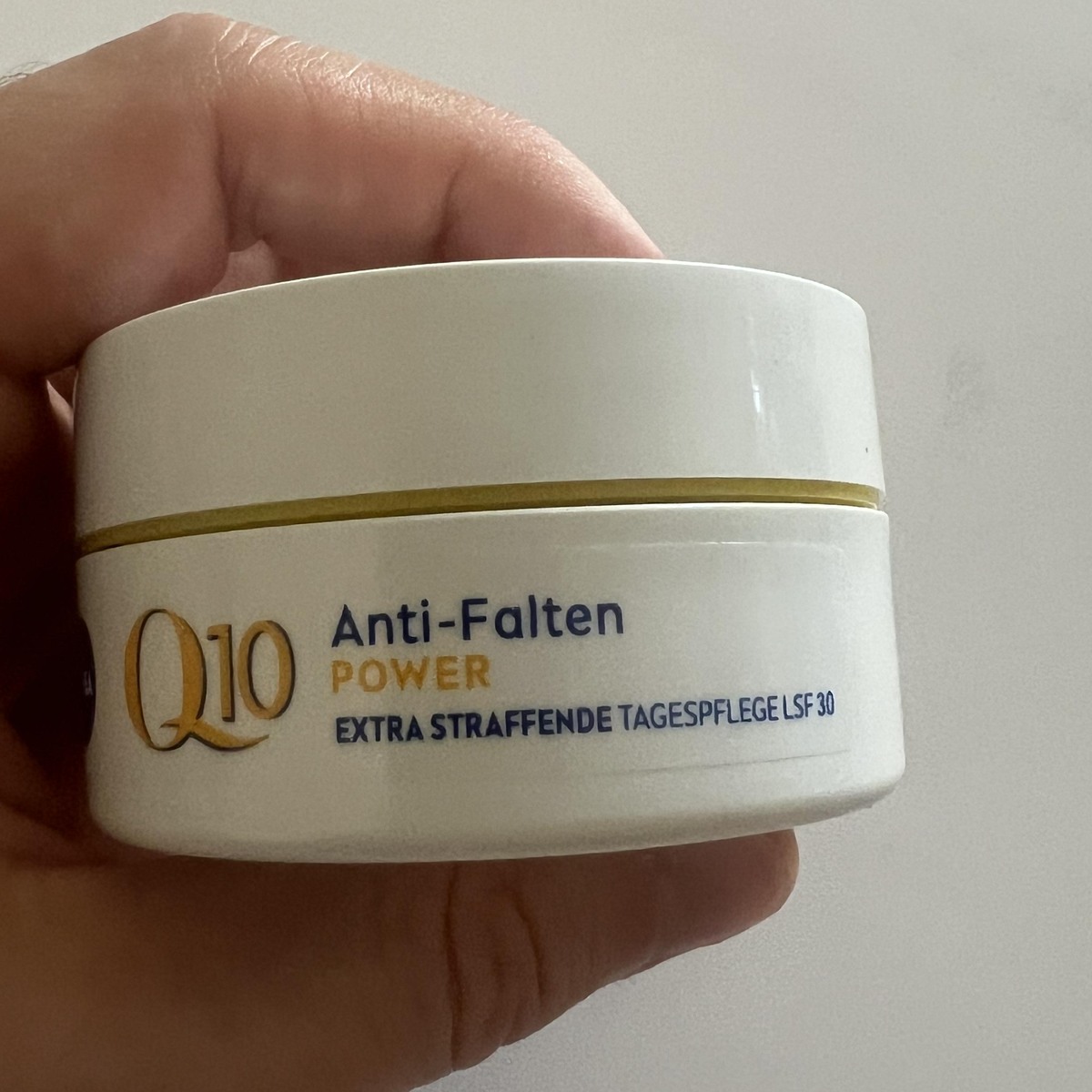
My NIVEA Q10 Power Extra Firming Day Cream SPF 30 review: 4.2/5. I bought one 50 ml jar sometime after May 2026, then used it every morning after my vitamin C serum until it ran out. At my usage rate, a jar lasted approximately six to eight weeks. I was 33 and had relatively few noticeable wrinkles, so my main reason for trying it was preventive skincare and convenient daytime UV protection, not reversing deep lines.
I liked how it felt: moisturising, easy to spread and quick to absorb, with a perfectly pleasant scent and no noticeable irritation. I thought my skin looked a little better, but I cannot attribute that improvement to this cream alone. The reason I did not buy a second jar was simple: I later found a cheaper SPF 50 face product I preferred, which was a closer fit for my approach to sun protection.
Editorial independence and retailer-link disclosure: I bought this jar myself; no sponsorship or free product was reported. The Amazon.de URL in this review is a direct external retailer link provided for exact-product identification. My separately supplied shortened link has not been independently resolved, so I have not substituted an unverified paid URL. Current price and availability are not confirmed. Read JonTests’ affiliate disclosure. Observed cosmetic changes are subjective, not independent measurements.
My use: Every morning after vitamin C serum · approximately 6–8 weeks · one jar
Purchase: One 50 ml jar, sometime after May 2026 · exact price not recorded
External retailer link · check SPF 30, 50 ml and the packaging; current price not verified
NIVEA Q10 Power Extra Firming Day Cream SPF 30, 50 ml — 4.2/5
Quick verdict: A comfortable, moisturising, fast-absorbing daytime face cream I enjoyed using over a single jar. I saw a small subjective improvement in my skin’s overall appearance, but mainly bought it for everyday UV protection and prevention. After finishing the jar I moved to a different, lower-priced SPF 50 product that suits my priorities better.
Best for: Someone who wants an easy everyday moisturiser with SPF 30 plus Q10, creatine and hyaluronic acid, and is happy with a broad-spectrum SPF 30 routine.
Skip if: You specifically want SPF 50, need a water-resistant sport sunscreen, expect measurable wrinkle prevention from a short test, or already found an SPF 50 formula you prefer at a lower price.
Repurchase? No, for my routine. It is a perfectly reasonable cream; I simply prefer the SPF 50 alternative I switched to. This is a personal buying choice, not proof that SPF 30 is inadequate.
What I liked
- Comfortable hydration and relatively quick absorption in my morning routine
- Easy to spread over my face after vitamin C serum
- Pleasant, unobtrusive smell and a convenient 50 ml jar
- No redness, stinging, breakouts, eye irritation or other adverse effects during my use
- Includes broad-spectrum SPF 30 and well-known skincare ingredients
- My skin looked a little smoother and firmer to me, though this is not a controlled outcome
Why I changed products
- SPF 30 was not the SPF 50 protection margin I ultimately wanted
- I found myself supplementing with a separate sunscreen outdoors
- A cheaper SPF 50 option appealed more to my particular routine
- The exact anti-wrinkle benefits cannot be isolated from simultaneous vitamin C and night skincare
- I did not record a precise purchase price or daily SPF application amount, limiting cost and protection claims
Bottom line — 4.2/5: A good-feeling SPF 30 moisturiser, but not my personal long-term pick for a minimal, higher-SPF morning routine. If SPF 30 suits your needs and you enjoy this texture, my decision to switch should not put you off trying it.
Why I rate NIVEA Q10 Power SPF 30 4.2/5
My overall editorial rating is 4.2 out of 5. Its comfortable, moisturising feel, easy morning application and lack of noticeable irritation earned high marks. The main deduction reflects my own SPF 50 preference and the better-value alternative I found, not a claim that broad-spectrum SPF 30 is inherently inadequate. I do not include a separate wrinkle-reduction or measured UV-protection score because I did not isolate or directly test either outcome.
| Criterion | Weight | My score | Reason and evidence limit |
|---|---|---|---|
| Moisturising and texture | 30% | 4.7/5 | My skin felt comfortably moisturised; the cream was easy to spread and absorbed quickly. These are first-hand impressions, not instrument measurements. |
| Application and everyday convenience | 20% | 4.6/5 | It fitted well into my morning routine after vitamin C serum, with a pleasant scent and a 50 ml jar that lasted about 6–8 weeks. |
| Skin tolerance | 20% | 4.8/5 | I did not notice stinging, redness, blemishes or eye irritation while using my one jar. This is my experience, not a safety guarantee for other skin types. |
| Fit with my SPF and value priorities | 30% | 3.0/5 | Although SPF 30 can meet dermatologists’ minimum recommendation, I specifically preferred an SPF 50 option that I found cheaper and did not want to keep adding a separate sunscreen. I did not record a comparable purchase-price figure. |
Weighted calculation: (4.7 × 30%) + (4.6 × 20%) + (4.8 × 20%) + (3.0 × 30%) = 4.19/5, rounded to 4.2/5. The weights add up to 100%.
This is my subjective, first-hand editorial evaluation of one personally purchased 50 ml jar, not a customer-average rating, clinical anti-ageing result or laboratory sunscreen test. Actual amount applied, purchase price and UV protection on skin were not measured. The rating could change if I learn more from longer or comparative use; see how I test products.
My morning routine: vitamin C first, then NIVEA Q10 SPF 30
For most mornings while I owned it, I used a vitamin C serum first and let that absorb before applying the NIVEA cream. The idea was to keep my face feeling moisturised while adding UV protection to a preventive skincare routine. I was not trying to correct pronounced ageing signs; at 33 I had relatively few wrinkles, and I was mainly interested in protecting my skin from future sun-related changes.
In that routine, I found this cream easy to live with. It spread without much effort and absorbed quickly enough that I did not need to adjust my morning schedule. I would happily have finished another jar on feel alone. However, I also used other facial products, including night skincare; any improvement in skin appearance cannot reliably be assigned to this moisturiser rather than hydration, my vitamin C product, or other routine factors.
| First-hand test detail | What I know | What I cannot verify |
|---|---|---|
| Exact variant | NIVEA Q10 Power Extra Firming Day Cream SPF 30, 50 ml, German jar labelled LSF 30 | That every online listing has the same regional formula or package revision |
| Purchase | One personally bought jar, sometime after May 2026 | Exact purchase date and price |
| Duration | Approximately 1½–2 months at my daily usage | Exact opening date or individual application count |
| Application sequence | Vitamin C serum first; let it settle, then apply Q10 cream in the morning | Actual millilitres or grams of sunscreen per application |
| Visible result | Small, subjective improvement in lines, firmness and general appearance | Which product caused it or any percentage reduction |
| Skin tolerance | No noticeable stinging, redness, acne or eye discomfort | Whether other people’s skin will react the same way |
| Repurchase | No; moved to a lower-priced, preferred SPF 50 option | Brand, price and controlled performance of that alternative |
Texture and moisturising performance: the reason I liked it
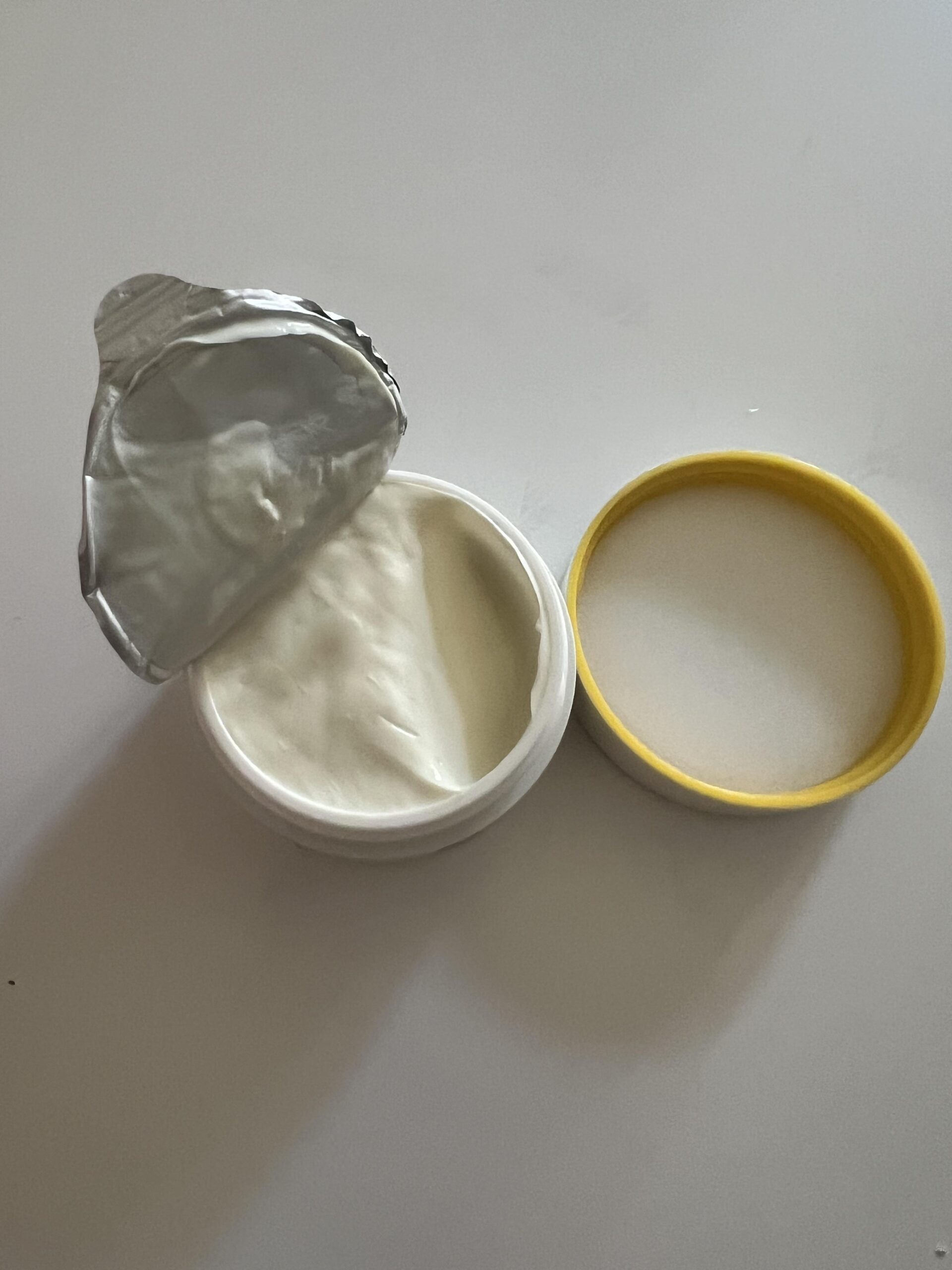
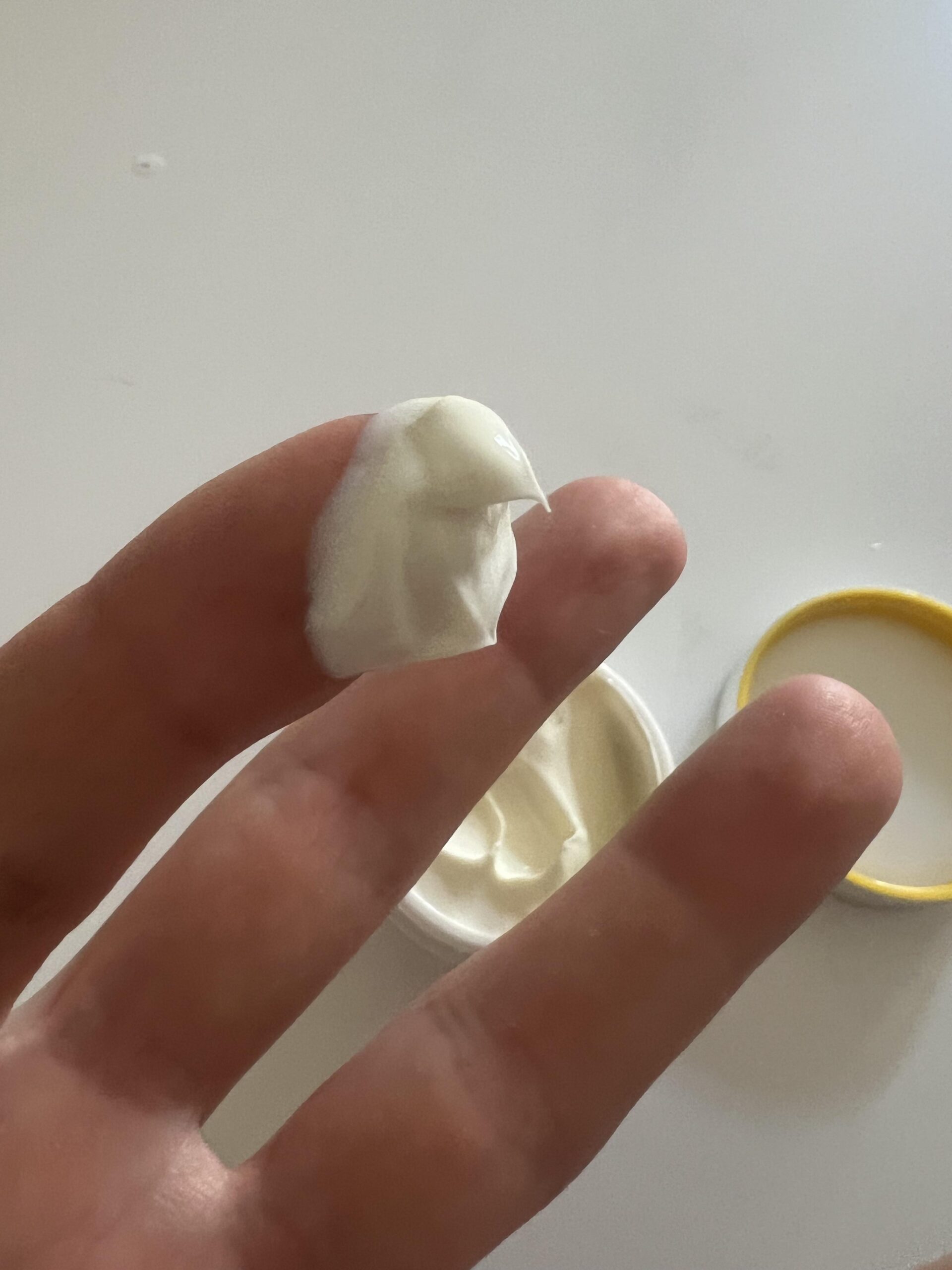
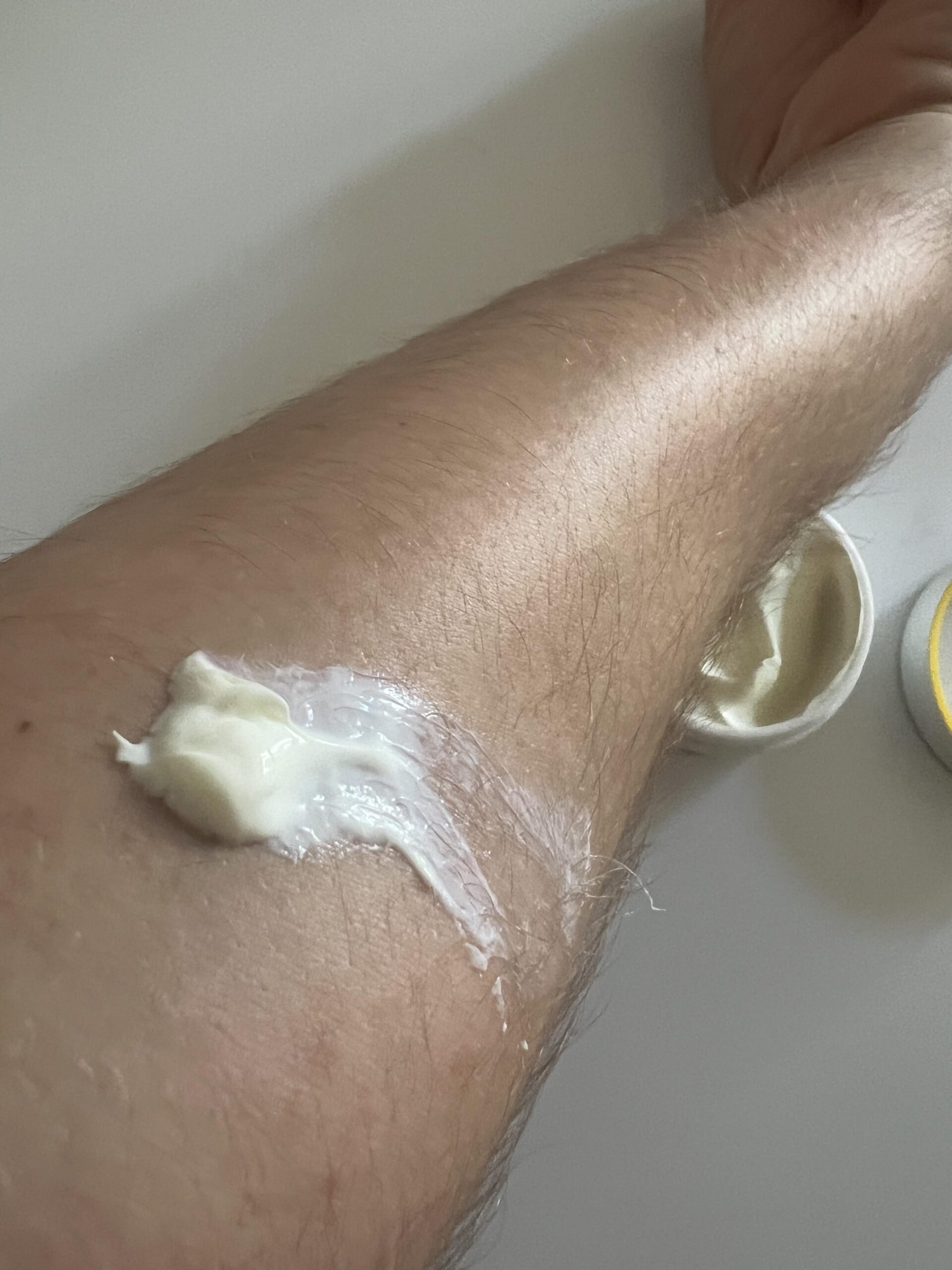
The most reliable result from my experience was not a wrinkle measurement; it was comfortable moisturisation. The cream felt smooth, spread easily and seemed to soak into my skin quickly. I did not find it unpleasantly sticky or difficult to wear. Its fragrance was fine, and I had no skin reactions that made me want to discontinue it.
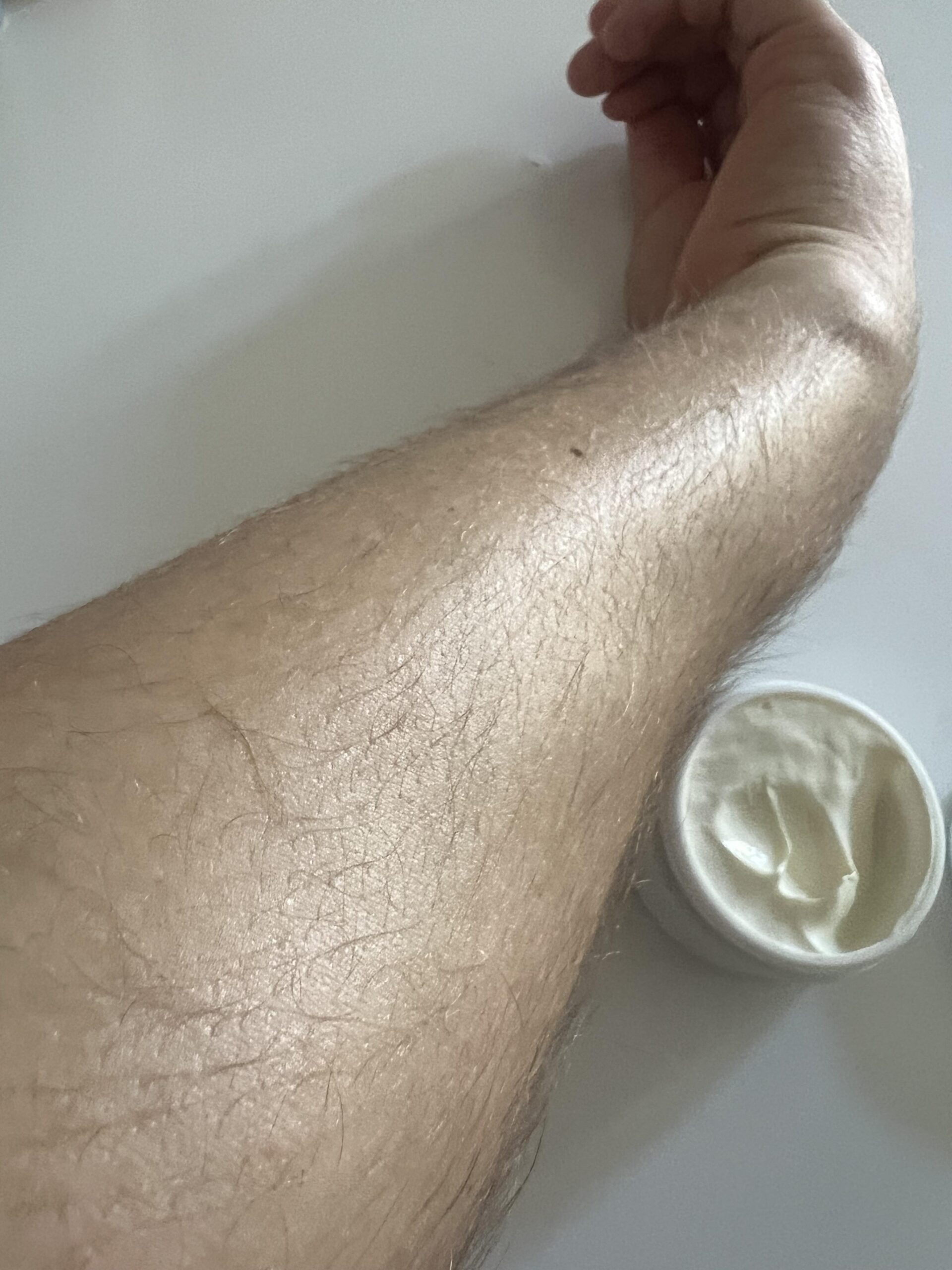
The white cream looks substantial when scooped from the jar, but that did not translate into an uncomfortable daytime feeling for me. My photos show a small amount on a fingertip and on the forearm, but those are texture demonstrations rather than proof of how evenly the face is covered or what sun protection level it achieves when applied.
SPF 30 versus SPF 50: why I switched, and what actually matters
My biggest reservation was that this is an SPF 30 moisturiser, whereas I eventually decided I preferred SPF 50 and found a cheaper product offering that rating. I sometimes supplemented the NIVEA with a separate sunscreen, which made the routine less convenient than I wanted. Because UV exposure is a major driver of visible premature skin ageing, I value a routine that I will actually follow consistently.
There is an important distinction: SPF 30 is not insufficient by default. The American Academy of Dermatology recommends broad-spectrum SPF 30 or higher. SPF measures protection against UVB-related sunburn under standard test conditions, not a guaranteed percentage of protection against every type of UV radiation or proof of how a particular person applies the product.
| Labelled SPF | Approximate UVB filtered in a standardised test | UVB passing through in the same model | Practical meaning |
|---|---|---|---|
| SPF 30 | About 96.7% | About 3.3% | A dermatologist-recommended minimum when broad-spectrum and correctly applied; adequate for many routines. |
| SPF 50 | About 98% | About 2% | A modest absolute increase in UVB filtering, with a smaller transmitted fraction; not a substitute for sufficient application and reapplication. |
That difference is not as dramatic as a label of “50 versus 30” sounds, yet I preferred the additional margin and the overall price/convenience of my new product. I am not claiming to have measured either product’s actual UV filtering. A little daily moisturiser is not necessarily enough to deliver the labelled SPF on your skin: the thickness of the applied layer, broad-spectrum coverage, water resistance, sweat, time outdoors and reapplication all matter.
Did Q10, creatine and hyaluronic acid improve my wrinkles?
I think my skin looked a little smoother and firmer across the period, but I started with very mild signs of ageing and was primarily focused on prevention. In a roughly six-to-eight-week personal trial without standardised photos, I cannot distinguish a small genuine long-term cosmetic effect from better hydration or a change in how my skin looked that day.
NIVEA highlights Q10 (ubiquinone), creatine, hyaluronic acid/sodium hyaluronate, moisturising ingredients and a combination of UV filters. These are real components of the marketed SPF 30 formula; the brand also advertises skin-firming and wrinkle-related benefits. Its claims are manufacturer statements, not results that I independently verified.
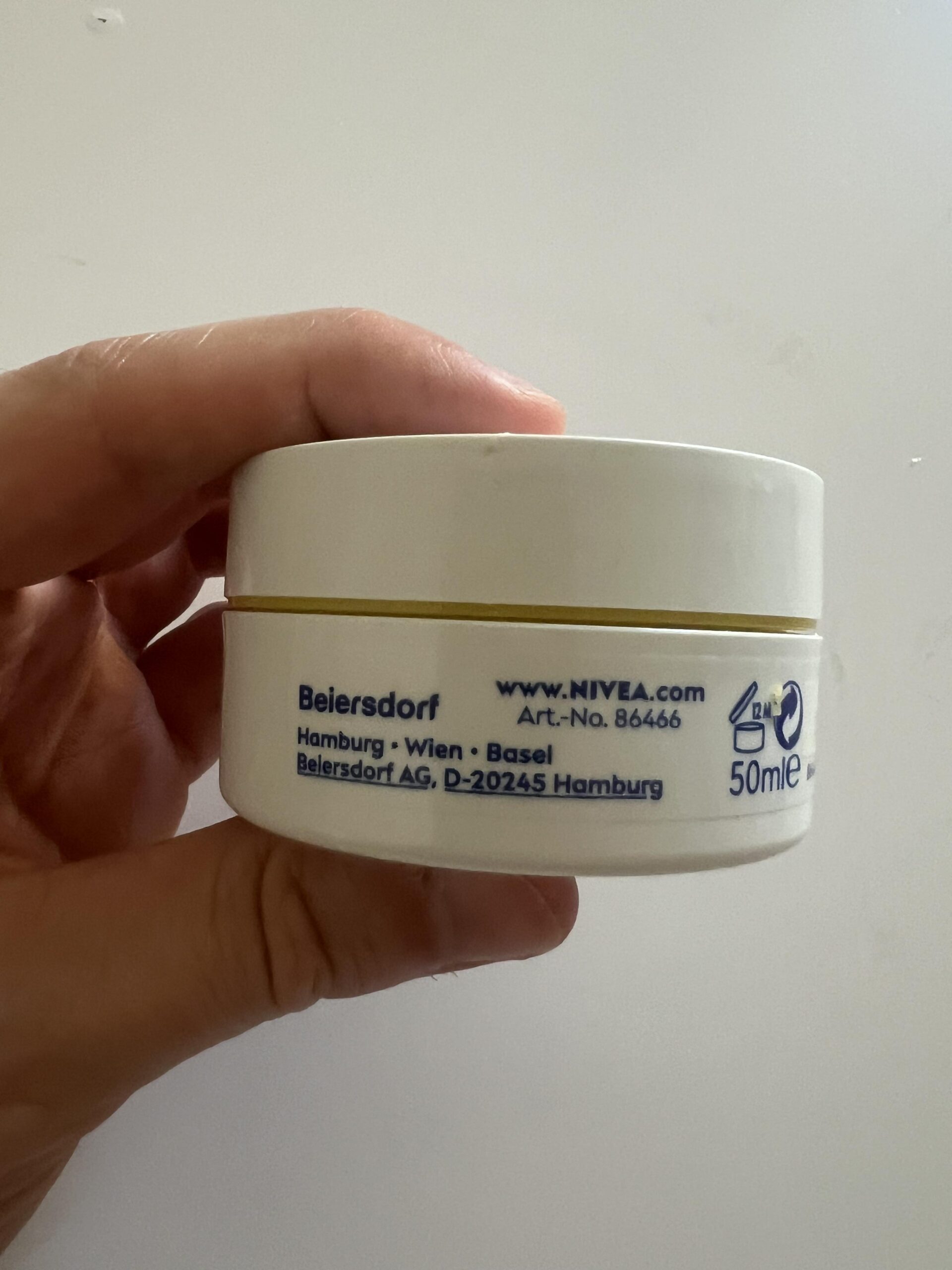
One formulation caveat: product names and labels differ by country and formula revision. My photo shows the German Q10 Anti-Falten Power Extra Straffende Tagespflege LSF 30, which is also documented by NIVEA Austria under that exact name. NIVEA Germany now also displays an Extra Schützende Tagespflege LSF 30 listing with different marketing claims; I cannot assume that all regional packaging and formula revisions are identical. I would compare the full 50 ml SPF 30 label and INCI on the jar actually offered, rather than assuming every Q10 SPF 30 listing is identical. A similar-sounding SPF 15 product is not the same variant.
Was one 50 ml jar good value for the time I used it?
I used one 50 ml jar for approximately 1½–2 months. That suggests it was a convenient size for everyday use in my morning routine, but it is not enough to calculate a reliable cost per application or guarantee I applied the labelled SPF dose. I have not provided my exact purchase price, so I cannot honestly give a personal euros-per-use figure.
When I finished the jar, I had found a cheaper SPF 50 product that I considered a better match. That is why I did not repurchase. This is fundamentally a personal value judgement about what I wanted out of a daily moisturiser/sun-protection combination, not proof that NIVEA Q10 is poor value everywhere. Prices depend on retailer and location, and a buyer prioritising its texture or ingredients could decide differently.
The separate retailer link on this page points to the Amazon.de listing supplied with this review. I could not independently confirm that the listing always ships the identical 50 ml German formula or its current selling price, so check the SPF 30 designation, image, product details and ingredient label before purchasing.
Who I think should buy it — and who should pass
- Good match: someone seeking a well-known, moisturising daytime face cream with a labelled SPF 30 and an easy morning feel.
- Good match: a buyer who likes Q10-based face-care formulas and does not insist on SPF 50 for their everyday product.
- My reason to pass: I personally found a less expensive SPF 50 option that better matches my own preventive routine.
- Better to use a dedicated sport sunscreen: when you need reliably water-resistant sun protection and frequent reapplication for sweat, beach or extended outdoor activity, unless the particular day cream has been verified and applied for that use.
- What this does not promise: guaranteed wrinkle reversal, complete UV protection from a single application or independent proof that Q10 prevented new wrinkles over six weeks.
How it fits with other skincare I have actually used
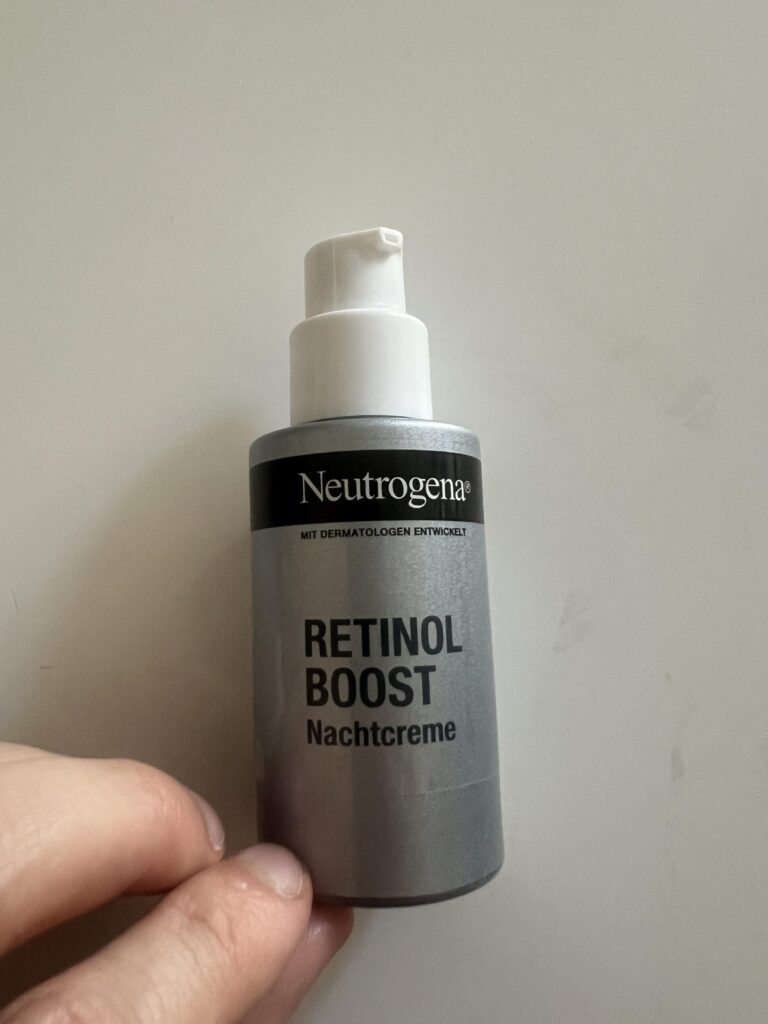
I used a vitamin C face serum during my morning routine and have also reviewed Neutrogena Retinol Boost Night Cream. Both are different product categories; the fact that I used them in my wider skincare period is a confounder, not proof of a clinical synergy with NIVEA Q10.
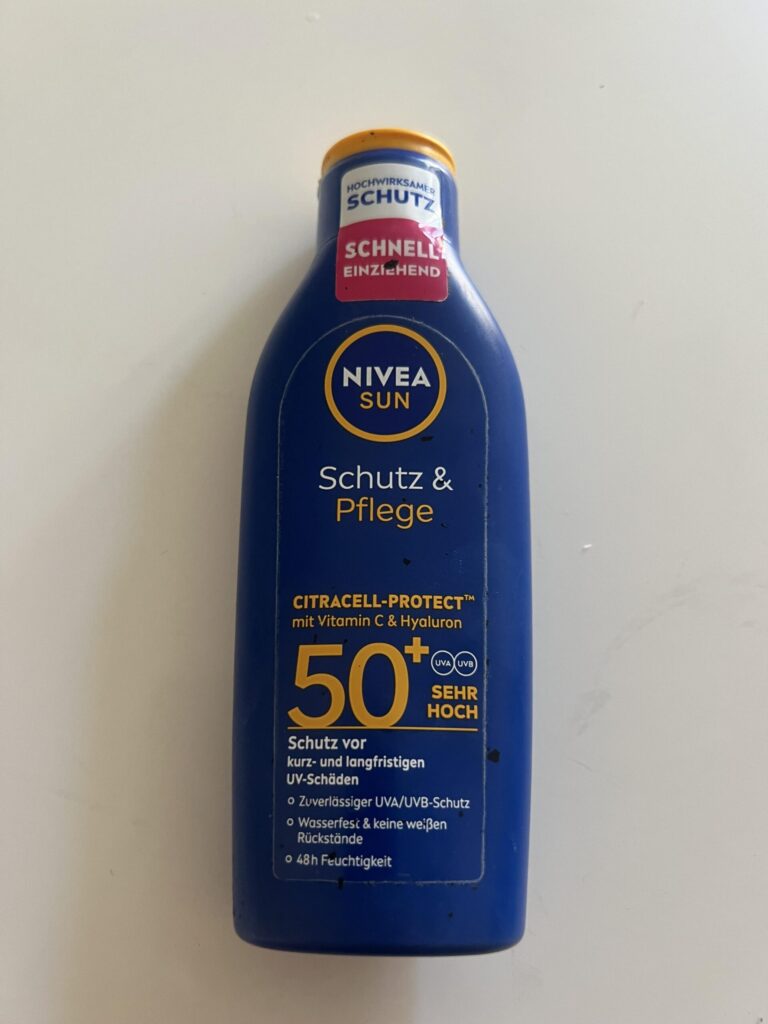
For extended outdoor days, I have also used NIVEA SUN Protection & Care SPF 50+ body sunscreen. That is a separate body sunscreen review and not necessarily the unnamed SPF 50 face cream I switched to. I do not want to invent a comparison against a product I have not identified here.
Frequently asked questions
Is NIVEA Q10 Power SPF 30 good for a 30-something preventive routine?
I found it comfortable and easy to fit into my morning skincare routine. SPF 30 can be a suitable level of daily sun protection when it is broad-spectrum and used correctly. The extra skincare ingredients were appealing to me, although I cannot isolate their benefit in my own trial.
How quickly did I notice fewer fine lines?
Over the several weeks I used it, I thought my overall appearance improved slightly. There was no dramatic before-and-after change and no measured wrinkle reduction. Other skincare and moisturisation likely affected what I noticed.
Did the day cream irritate my skin or eyes?
No. During my own use I did not experience stinging, redness, acne, discomfort around the eyes or other adverse effects. NIVEA advises avoiding direct eye contact. Someone else may react differently.
Will SPF 30 protect me all day without topping up?
No sunscreen label guarantees that a single morning application will maintain its labelled protection all day. The AAD recommends sufficient application and reapplication at least every two hours while outside, or sooner after swimming, sweating or towel-drying.
Why did I stop buying it?
I finished my one jar but switched to a cheaper SPF 50 option. This choice was about higher desired SPF, simplicity and value to me—not poor tolerability or a definite failure of the NIVEA cream.
What is the difference between Extra Firming and Extra Protective SPF 30?
Marketing names, packaging generations and regional formulations may differ. My actual jar has the German “Extra Straffende” wording and LSF 30. Check the specific product label, volume and ingredients before assuming an “Extra Protective” listing is an identical formulation.
Sources and evidence
- NIVEA Austria: Q10 Anti-Falten Power Extra Straffende Tagespflege, LSF 30, 50 ml — official manufacturer page for the same Extra Straffende name and SPF/size printed on my jar; manufacturer performance claims are not independent test results.
- NIVEA Germany: Q10 Anti-Falten Extra Schützende Tagespflege LSF 30, 50 ml — current marketed product claims and ingredients; naming/formulation caveat applies to my older-labelled jar.
- Matas: NIVEA Q10 Power Extra Firming Day Cream SPF 30, 50 ml — English-language retail identity and description.
- American Academy of Dermatology: How to apply sunscreen — application quantity and frequency.
- American Academy of Dermatology: How to decode a sunscreen label — UVB, SPF and broad-spectrum distinctions.
- American Academy of Dermatology: How to select anti-aging skin care products — moisturisers with sun protection and preventative skincare.
- Amazon Germany: supplied ASIN B0DG2RNVWN — listing supplied with this review; current seller, price and redirect could not be independently confirmed.
- My own original photographs of the jar, label, cream and application texture, together with my use and observations after May 2026. No controlled SPF testing or measured before-and-after skin analysis was performed.
- JonTests — How I Test — editorial standards for first-hand evidence, uncertainty and scoring.