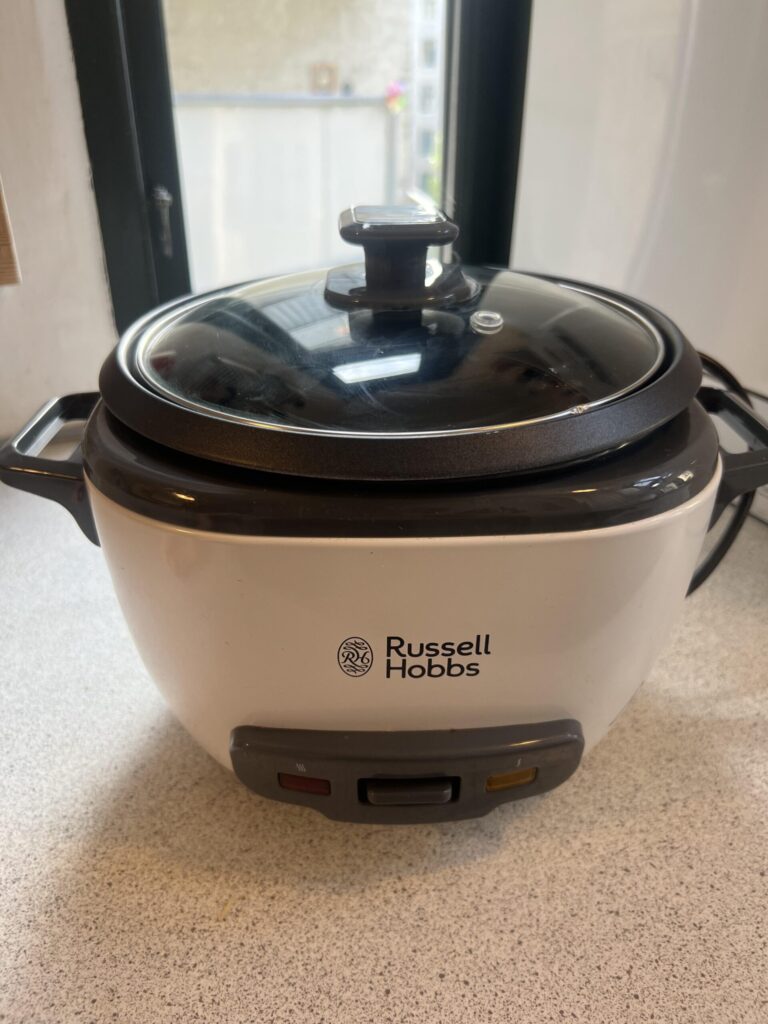
Ganji Kankiri Japanese Can Opener Review: 20 Cans Later
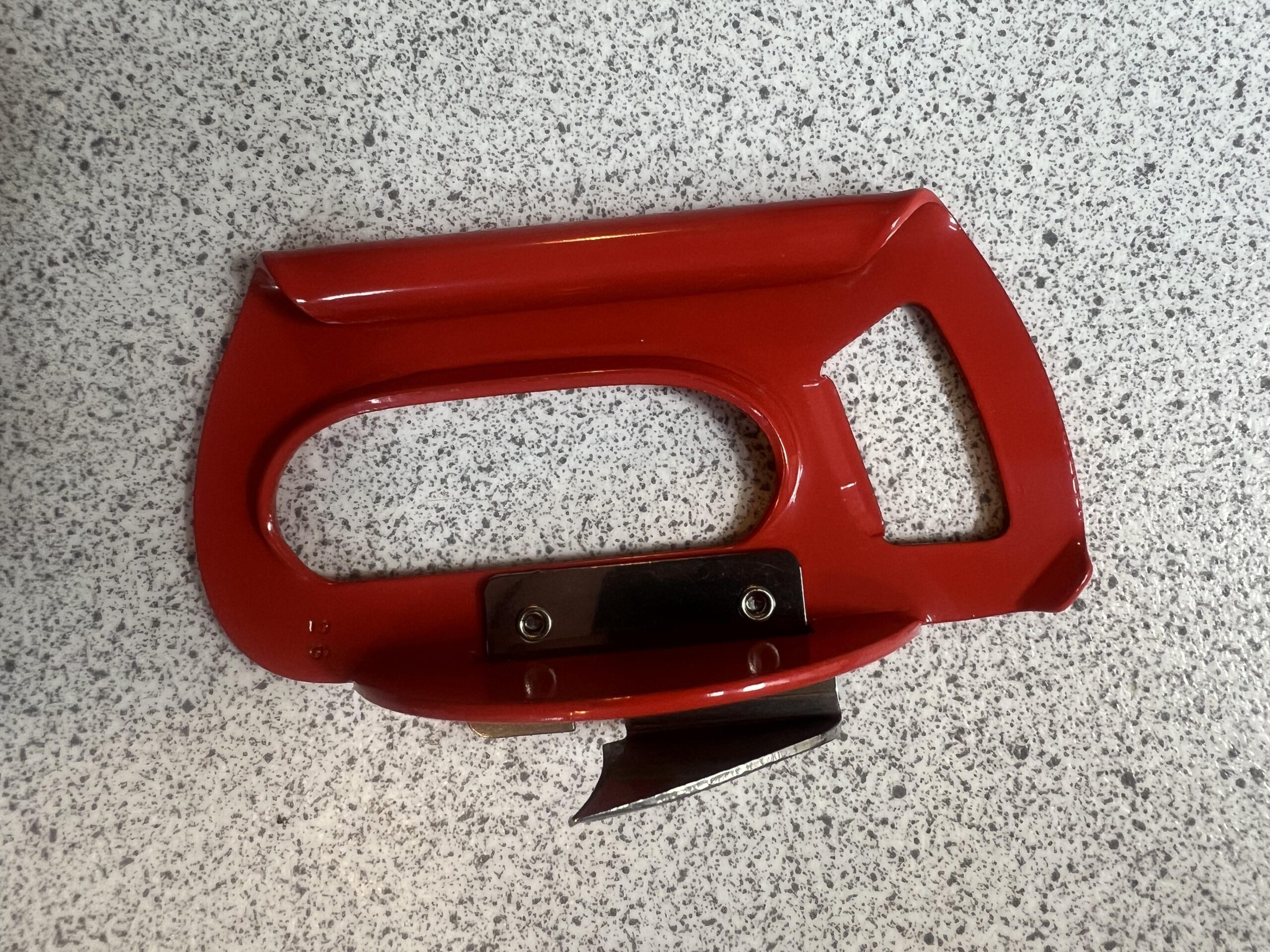
I bought the KORIN Ganji Kankiri Japanese can opener new from Amazon Germany on September 5, 2026 for €16.39 with my own money. I have used it for about one month and opened roughly 20 cans of different sizes and types.
My previous wheel-style manual can opener could take me 5–10 minutes on a difficult can because I struggled to get the wheel to track properly and found it harder on my fingers. With the Ganji Kankiri, I now open a normal can in roughly 10 seconds.
My overall rating is 4.8/5. It is fast, simple, comfortable, extremely easy to clean and has no moving parts to jam or strip. The main downside for me is the price: I paid €16.39, although I would personally still buy it again and would be willing to pay around €30–35 before I started seriously comparing it with electric alternatives.
Affiliate disclosure: This review contains a paid Amazon link. If you buy through it, Jon Tests may earn a commission at no extra cost to you. I bought my Ganji Kankiri myself at full price from Amazon Germany and received no free product, discount or compensation. As an Amazon Associate I earn from qualifying purchases. Full disclosure.
Ganji Kankiri Japanese Can Opener — 4.8/5
Quick verdict: This is one of the simplest kitchen tools I have tested, and for me it works far better than my previous wheel-style opener. Once I place it at the right angle, a normal can takes me about 10 seconds to open.
Best for: home kitchens, camping and anyone who wants a simple manual opener with no gears or moving parts.
Main limitation: I have only used it for about one month, so I cannot yet verify multi-year durability. I also think people with very weak hand strength may prefer an electric opener.
- Opens a normal can in roughly 10 seconds for me
- Much easier on my fingers than my previous wheel-style opener
- Very sharp blade that grips securely without slipping in my use
- Comfortable, substantial handle
- Very easy to rinse clean in a few seconds
- No moving parts to jam, strip or misalign
- Works across the different can sizes and types I have tried
- Built-in bottle opener also works well
- €16.39 is not especially cheap for such a simple hand tool
- The shape is a little awkward for storage
- It is slightly larger than I expected
- People with very weak hand strength may find an electric opener easier
How I tested the Ganji Kankiri
- Purchased: September 5, 2026
- Price paid: €16.39, fully self-funded
- Retailer: Amazon Germany
- Ownership at review: about one month
- Cans opened: roughly 20
- Can variety: different sizes and types
- Typical opening time now: about 10 seconds for a normal can
- Comparison: my previous wheel-style manual opener could take 5–10 minutes on difficult cans
- Safety incidents: none
- Visible wear or damage: none so far
- Bottle opener: tested and works well
The ~20-can figure is an estimate rather than a logged count. This is a household-use review, not a controlled laboratory test. Because I have owned it for only about one month, my durability score is deliberately lower than my scores for speed, cutting performance and cleaning.
Why I bought it instead of using my wheel-style opener
I already owned a conventional manual can opener with a turning wheel. The problem was that I found it surprisingly frustrating to use. On difficult cans, it could take me 5–10 minutes to get the wheel to engage and keep rolling around the rim.
It also felt harder on my fingers because I had to keep squeezing and turning the mechanism. That is what made the Ganji Kankiri appealing: instead of gears and a crank, it uses a very simple fixed blade and leverage from the handle.
I want to be clear that this is a comparison with my own previous wheel-style opener, not a claim that every wheel opener is slow or difficult. A good conventional opener may perform very differently.
It was intuitive the first time I used it
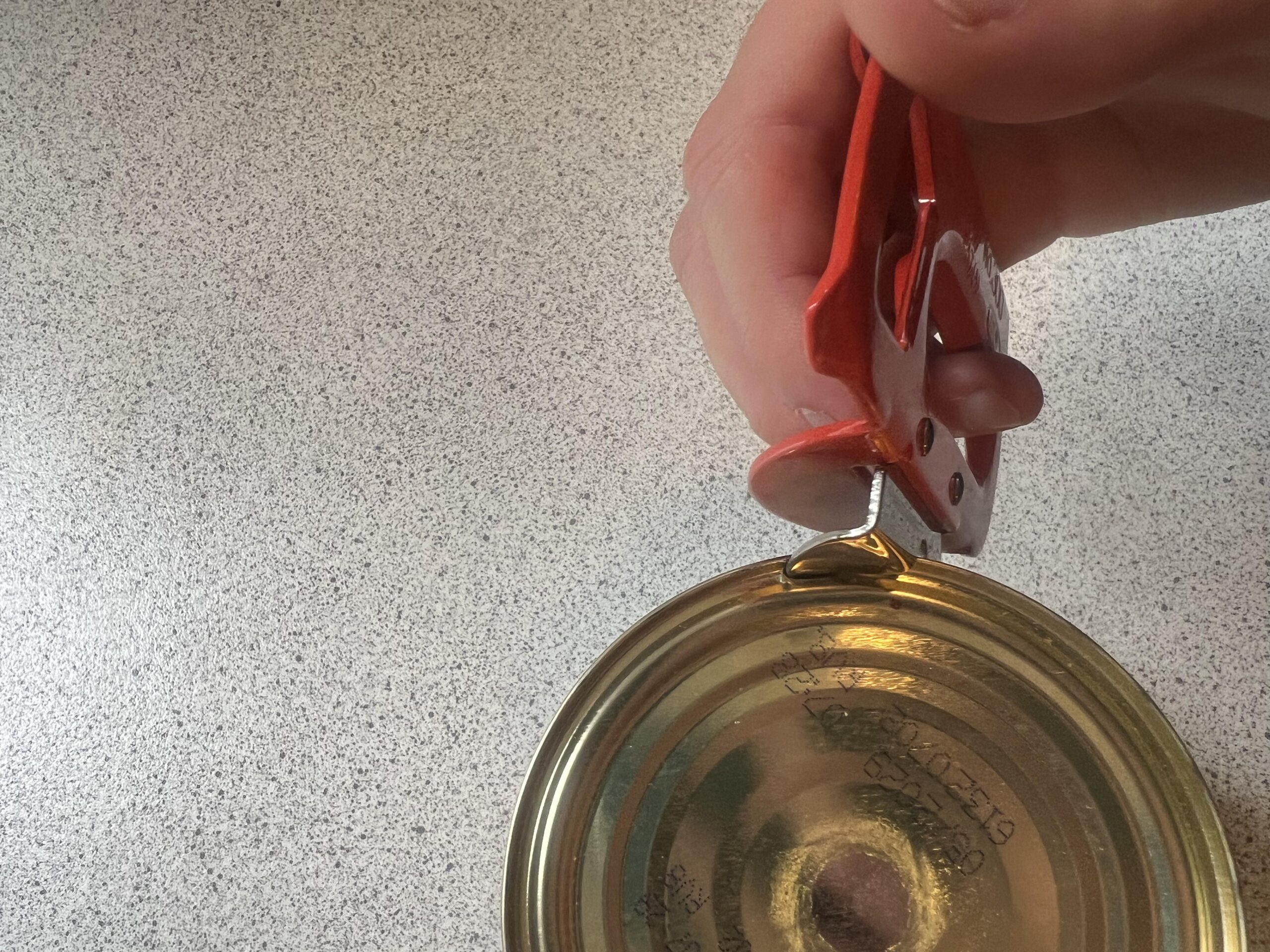
The basic technique made sense immediately. I place the opener on the rim, find the angle where the blade bites, press down to puncture/cut, move it slightly along the rim and repeat.
There is a small learning curve in finding the right angle, but I found that much easier than figuring out why my wheel-style opener would not track properly.
Now that I know the motion, I would rate ease of use 5/5.
A normal can takes me about 10 seconds
Speed is the biggest reason I like it.
After roughly 20 cans, I can normally open a standard can in around 10 seconds. That is a huge improvement over the frustrating 5–10-minute attempts I sometimes had with my previous opener.
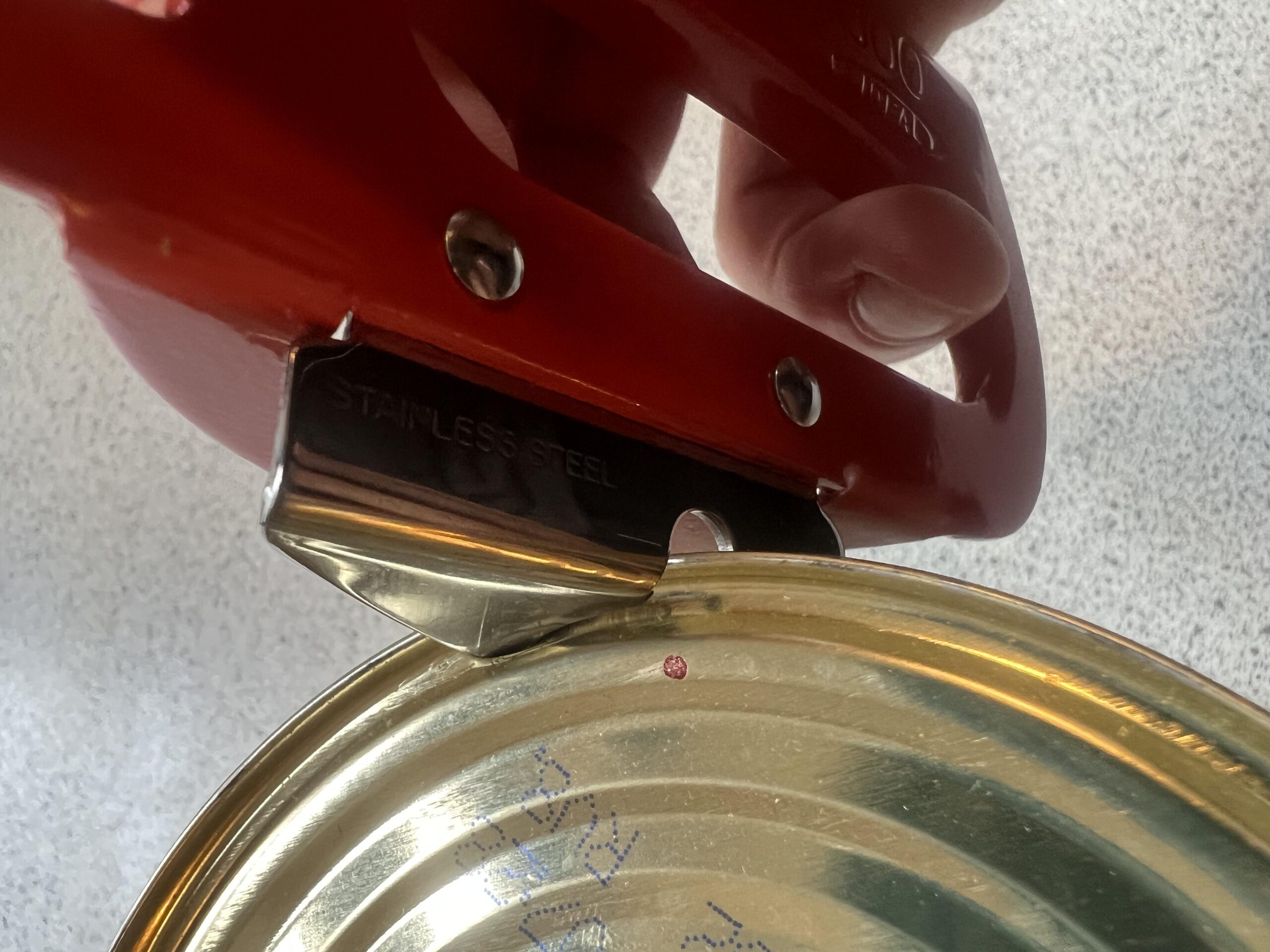
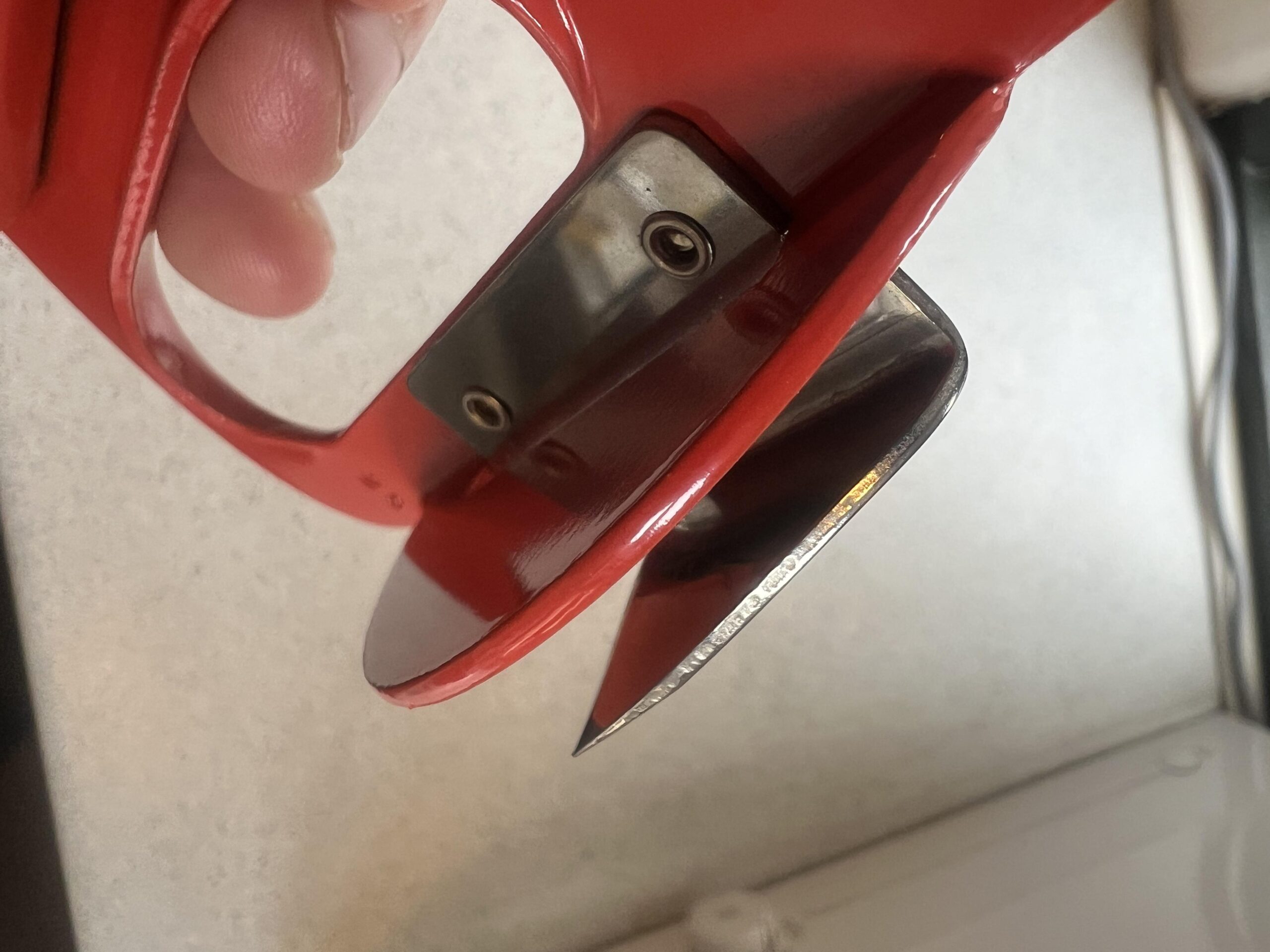
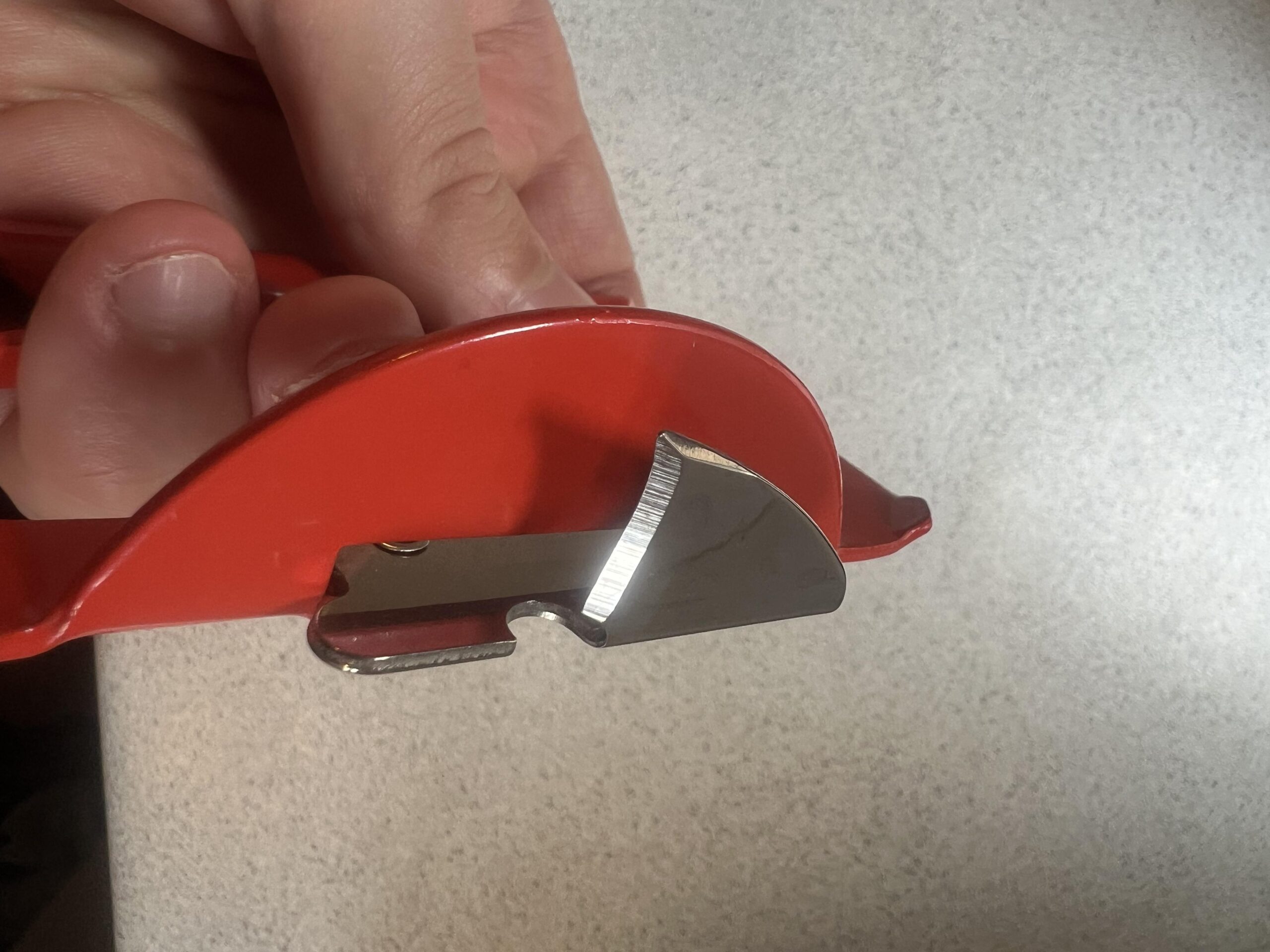
The blade is extremely sharp in my experience. It grips the metal cleanly, does not tend to slide off and has not become stuck on the different cans I have tried.
It needs less hand effort than my previous opener
I find the Ganji Kankiri easier on my hands than the wheel-style opener I was using before.
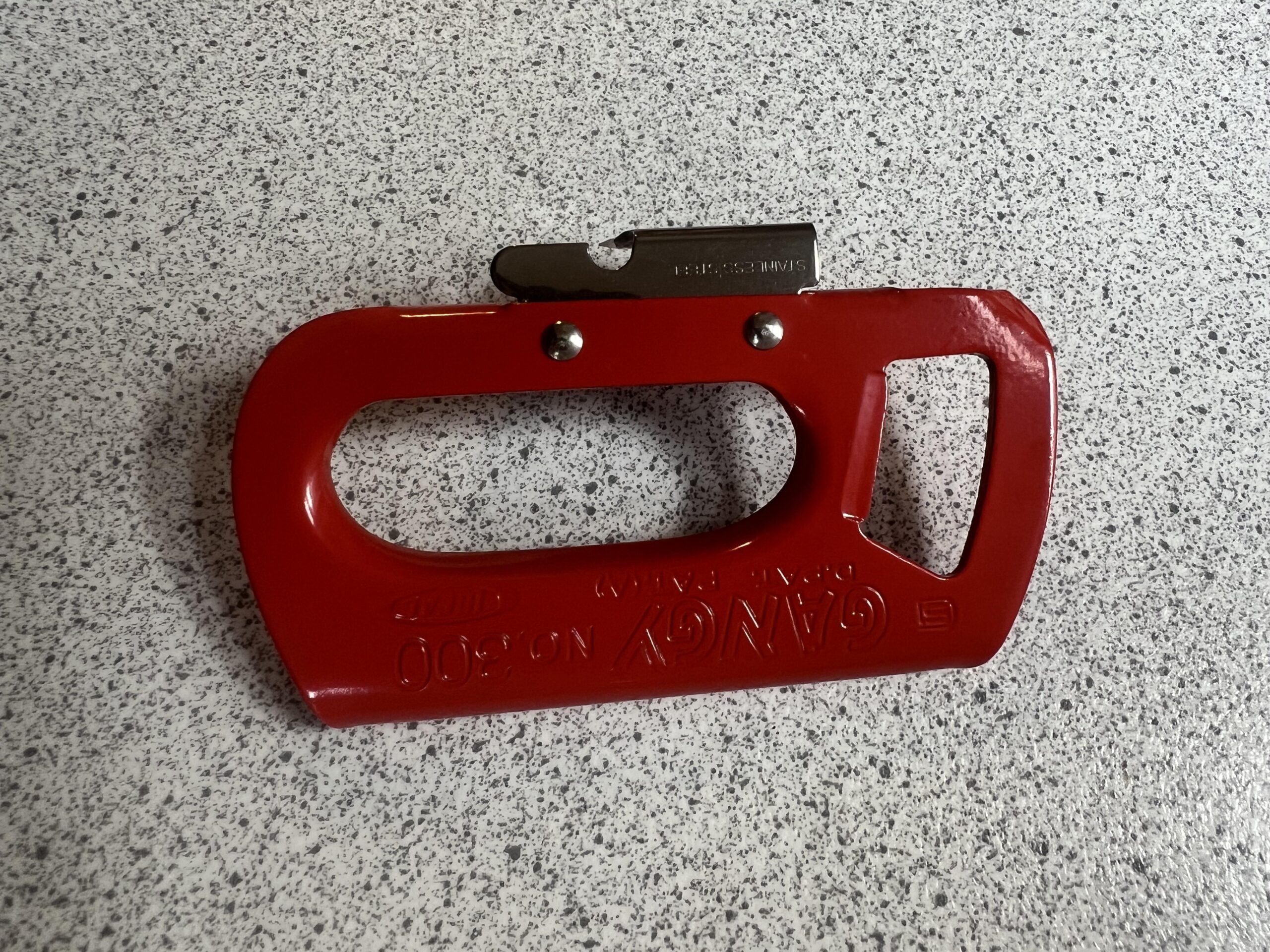
The handle gives me good leverage and feels substantial in my hand. I previously had a smaller opener with a somewhat similar cutting concept, and the smaller grip was less comfortable. This larger Ganji Kankiri gives me more to hold onto and keeps my fingers farther from the cutting edge.
I could comfortably use it on many cans in a row without expecting the grip itself to become a problem.
The opened edge has not worried me
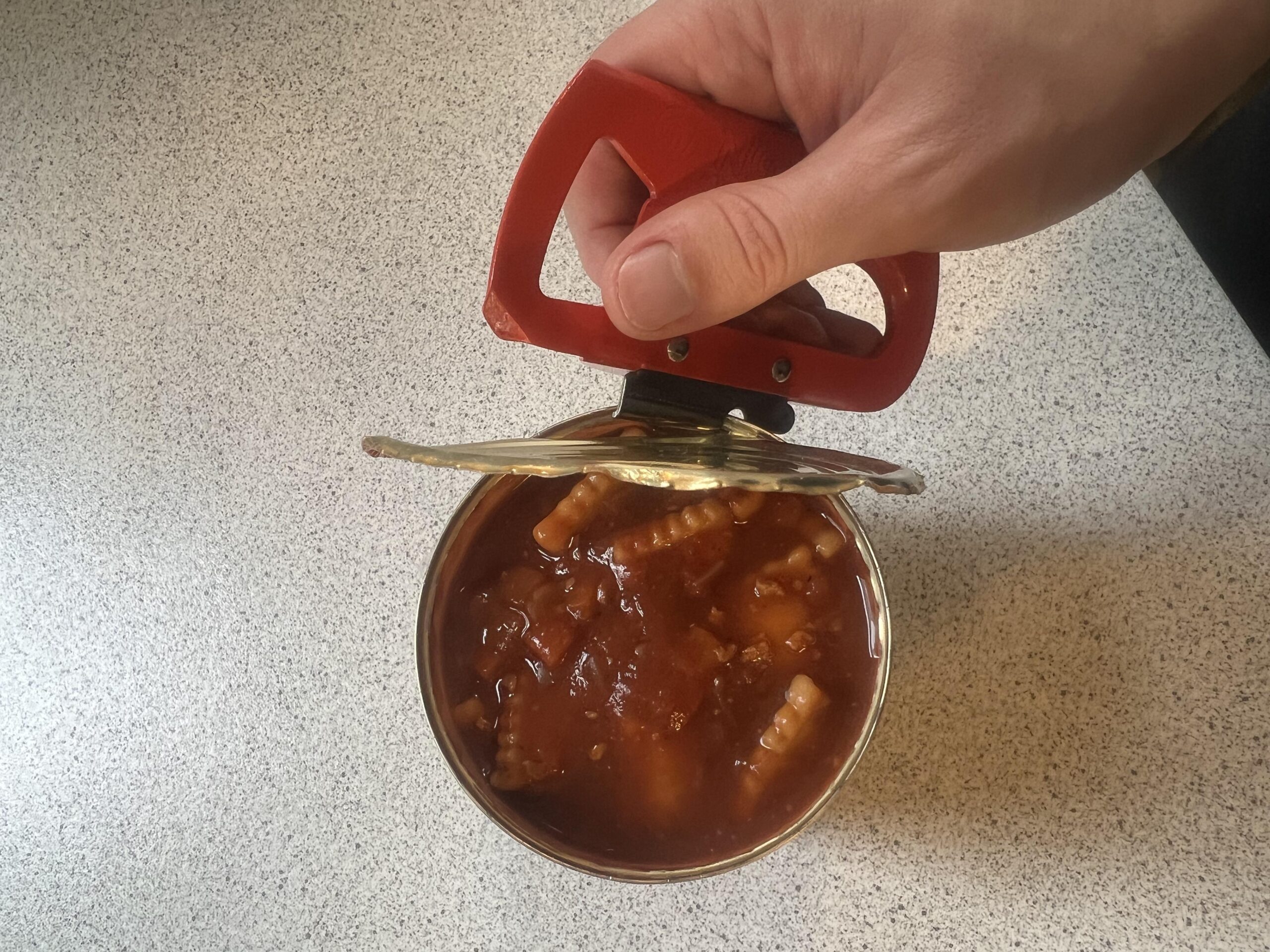
I expected a very simple puncture-style opener might leave an unpleasantly jagged lid. In my own use, the can and lid have been reasonably even after opening, and I have not felt that I needed unusual extra caution compared with normal kitchen handling.
I have had no cuts, slips or other safety incidents so far.
It has worked on every can size I have tried
I have used the opener on several different can sizes and types, and I have not found one that it struggled with.
That is one advantage of the simple design: there is no wheel spacing that needs to clamp around a particular rim geometry. As long as I can position the blade correctly, the basic cutting motion is the same.
Cleaning takes me about five seconds
Cleaning is probably my third-favorite feature after speed and the secure feel.
Only the small cutting area normally gets dirty. I rinse that section under water for roughly five seconds, and it is clean again. I have not needed to put the opener in a dishwasher or scrub a complicated gear mechanism.
This matches the practical advantage of having no moving parts or deep mechanical crevices around a wheel.
No moving parts is a real advantage
The Amazon listing describes the Ganji Kankiri as having no moving parts, and that simplicity is one of the things I like most about it. There is no crank, gear or roller that needs to line up correctly.
After one month I have seen no looseness, rust, discoloration, damage or noticeable wear. It feels extremely solid.
That does not prove long-term durability. A month is far too short for me to call it a lifetime tool. But the lack of moving parts gives it very little mechanical complexity to go wrong.
The bottle opener works too
The tool also includes a bottle opener. I have tested it and it works well, although that was not why I bought the Ganji Kankiri and I do not use that feature very often.
I see it as a useful bonus rather than a core reason to buy the product.
It is a little larger and more awkward than I expected
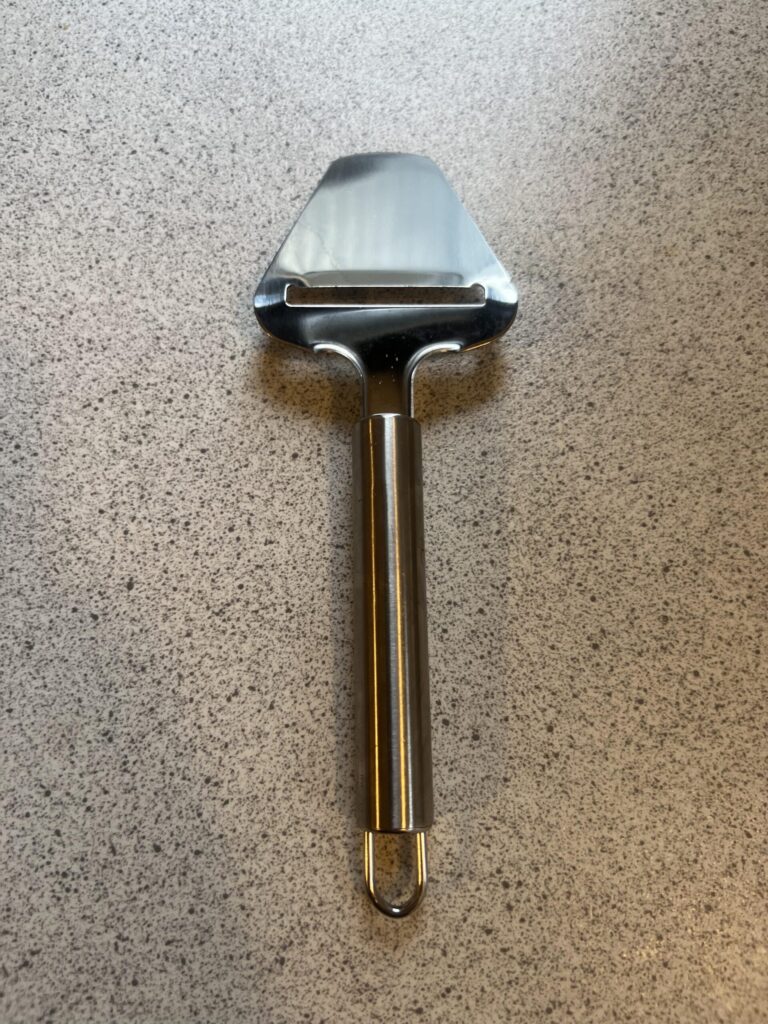
The Ganji Kankiri is easy enough to store, but the shape is not as neat as a slim utensil and it was slightly larger than I expected before it arrived.
Amazon’s product listing gives the size as roughly 4.25 × 2.5 inches and the weight as 4.2 ounces. It is still compact enough for a kitchen drawer and small enough that I would have no problem taking it camping.
Is €16.39 good value?
Price is the closest thing I have to a meaningful complaint.
I paid €16.39. For what is fundamentally a small piece of metal with a handle and blade, that is not cheap.
But the value calculation changes when I compare it with my actual experience. A tool that turns a frustrating multi-minute job into roughly 10 seconds and is easier on my fingers is worth quite a lot to me.
If mine broke tomorrow, I would definitely buy another one. I would personally pay around €30–35 maximum. Above that, I would start comparing electric openers more seriously — although I have not personally tested an electric can opener, so I cannot say one would actually be better.
Why I rate the Ganji Kankiri 4.8/5
My overall rating is 4.8/5. I use the public Jon Tests rating method: each relevant criterion is weighted, the weights total 100%, and the weighted result is rounded to one decimal place.
| Criterion | Weight | Score | Why |
|---|---|---|---|
| Ease of use & speed | 25% | 5.0/5 | Intuitive from the first use; now takes me about 10 seconds for a normal can. |
| Cutting performance | 20% | 5.0/5 | Very sharp, grips securely and has worked on every can size/type I have tried. |
| Safety & comfort | 15% | 4.9/5 | Large comfortable grip, less hand effort than my previous opener and no safety incidents. |
| Cleaning | 10% | 5.0/5 | I normally rinse the blade area clean in about five seconds. |
| Build & durability | 10% | 4.4/5 | Feels extremely solid with no moving parts and no visible wear so far, but I have owned it for only about one month. |
| Versatility & storage | 10% | 4.5/5 | Works across different cans and as a bottle opener, but the shape is slightly awkward and larger than I expected. |
| Value for money | 10% | 4.6/5 | €16.39 is not cheap for a simple hand tool, but the speed and ease make it worth the price to me. |
| Weighted rating | 4.8/5 | 4.835 before rounding. | |
Who should buy it?
- Good fit: home kitchens that want a simple, fast manual opener.
- Good fit: camping, cabins or emergency kits where simplicity matters.
- Good fit: people who dislike gears, crank handles and moving parts.
- Good fit: anyone who wants an opener that is extremely quick to rinse clean.
- Consider an alternative: people with very weak hand strength who may benefit from an electric opener.
Would I buy it again?
Yes, definitely.
For my use, it solves the exact problem I bought it for. It is faster than my previous wheel-style opener, easier on my fingers, easy to control and almost trivial to clean.
The only reason I am not giving it a perfect score is that one month is not enough to prove long-term durability, and €16.39 is still a noticeable price for such a simple hand tool.
See the Ganji Kankiri Japanese can opener on Amazon (paid link) →
Frequently Asked Questions
How fast can I open a can with the Ganji Kankiri?
After roughly 20 cans, a normal can takes me around 10 seconds. Your speed will depend on technique, can shape and hand strength.
Is the Ganji Kankiri difficult to learn?
I found it intuitive the first time. The main thing is learning the angle where the blade grips the rim cleanly.
Does it require a lot of hand strength?
It requires manual downward pressure, but I personally find it easier on my hands than the wheel-style manual opener I used before. People with very weak hand strength may prefer an electric model.
Does it leave dangerously sharp edges?
I have found the opened can and lid reasonably even in my use, and I have not had a safety incident. Any freshly cut metal can still be sharp, so normal care is sensible.
Is it easy to clean?
Very easy in my experience. Usually only the blade area needs rinsing, and I normally clean it under running water in about five seconds.
Does the bottle opener work?
Yes. I tested it and it works well, although I bought the tool primarily for opening cans.
Would I buy it again?
Yes. I paid €16.39 and would personally pay up to roughly €30–35 before I started seriously comparing electric alternatives.
Sources and review method
- My September 5, 2026 purchase, roughly one month of ownership, approximately 20 opened cans and the original photos shown throughout this review.
- Amazon — Japanese Can Opener (Ganji Kankiri), ASIN B001TV6A7G for listed brand, size, materials, weight, manual operation, no-moving-parts description and bottle-opener function.
- Jon Tests — How I Test for the public rating methodology.